Fragmenta.
How It WorksPricingTodayBlog
Download for iOS
Today›Myth Buster
Myth Buster·Ancient Greece·Classical Greece

Socrates: Not a Teacher in the Academy

Think Socrates, and you picture a bearded sage, teaching in Plato’s Academy. Except Socrates never taught there—and the Academy didn’t exist during his life.
Socrates: Not a Teacher in the Academy

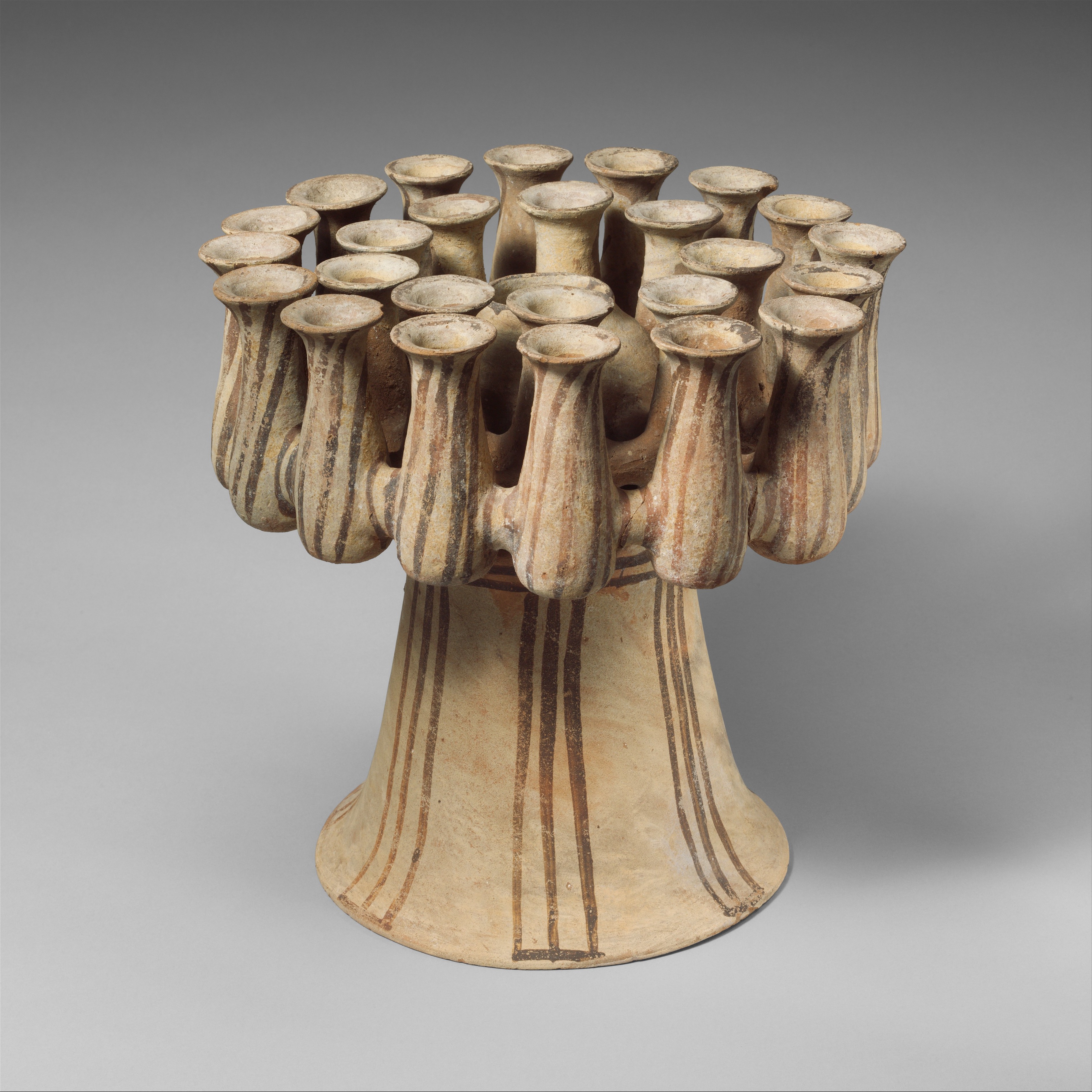
Unknown — "Terracotta kernos (vase for multiple offerings)" (ca. 2300–1900 BCE), public domain

Socrates the professor? Not quite.

You’ve seen the scene: Socrates at the front of some proto-classroom, disciples seated in rows, lessons delivered. But Socrates never set foot in Plato’s Academy—it didn’t even exist yet.

He taught on the streets, not in schools.

Socrates roamed Athens' agora, challenging passersby with questions. He wrote nothing down and founded no institution. The Academy was Plato’s project—built decades after Socrates’ trial and execution in 399 BCE. Socrates was never a 'teacher' in the modern sense.

Why the confusion? Blame Plato.

Plato made Socrates the main character in his dialogues, blurring the lines between his own ideas and his teacher’s. Later artists and movies fused the two, planting Socrates firmly in the Academy that Plato would actually build.

Socrates was a street philosopher, not a professor. The Academy was founded by Plato years after Socrates’ death.

Three minutes a day.

Fact-checked stories from ancient Greece and Rome, delivered every morning as swipeable cards.

Download for iOS
5.0 on the App Store

Keep reading

Story · Hellenistic Greece

Demetrius, the Besieger, and the Iron Ramp

Siege machines creaked in the night as Demetrius ordered an iron ramp built right over city walls—nowhere in Greece had seen anything like it.

Quote · Late Republic

Cato the Younger on Silence

"I begin to speak only when I am certain what to say is not better left unsaid." — Cato the Younger, the Senate’s last immovable object, measured every word as if it might be his last.

On This Day · Republican and Imperial Rome

On This Day: May 11 Was a Dies Comitialis

May 11: In Rome, today is a dies comitialis—a day when citizens could vote, debate, and change the future in the shadow of the Capitol.

Fact · Classical Athens, 5th–4th century BCE

Athenian Law: The Adulterer’s Radish

Athenians punished male adulterers by shoving a radish up a very personal place. And that was just the start.

Fragmenta.

Made with care for history that deserves it.

App Store

Product

How It WorksDaily FragmentsFeaturesToday in HistoryBlogDownload

Legal

Privacy PolicyTerms of ServiceEULASupportPress

Connect

TikTok
© 2026 Fragmenta. All rights reserved.