Fragmenta.
How It WorksPricingTodayBlogESDownload for iOS
ES
Today›Myth Buster
Myth Buster·Ancient Greece·Classical Greece and Hellenistic era

Were All Greek Philosophers Men?

Every painted bust and textbook shows the great Greek philosophers as bearded old men. Women weren’t welcome in the world of ideas, right?
Were All Greek Philosophers Men?

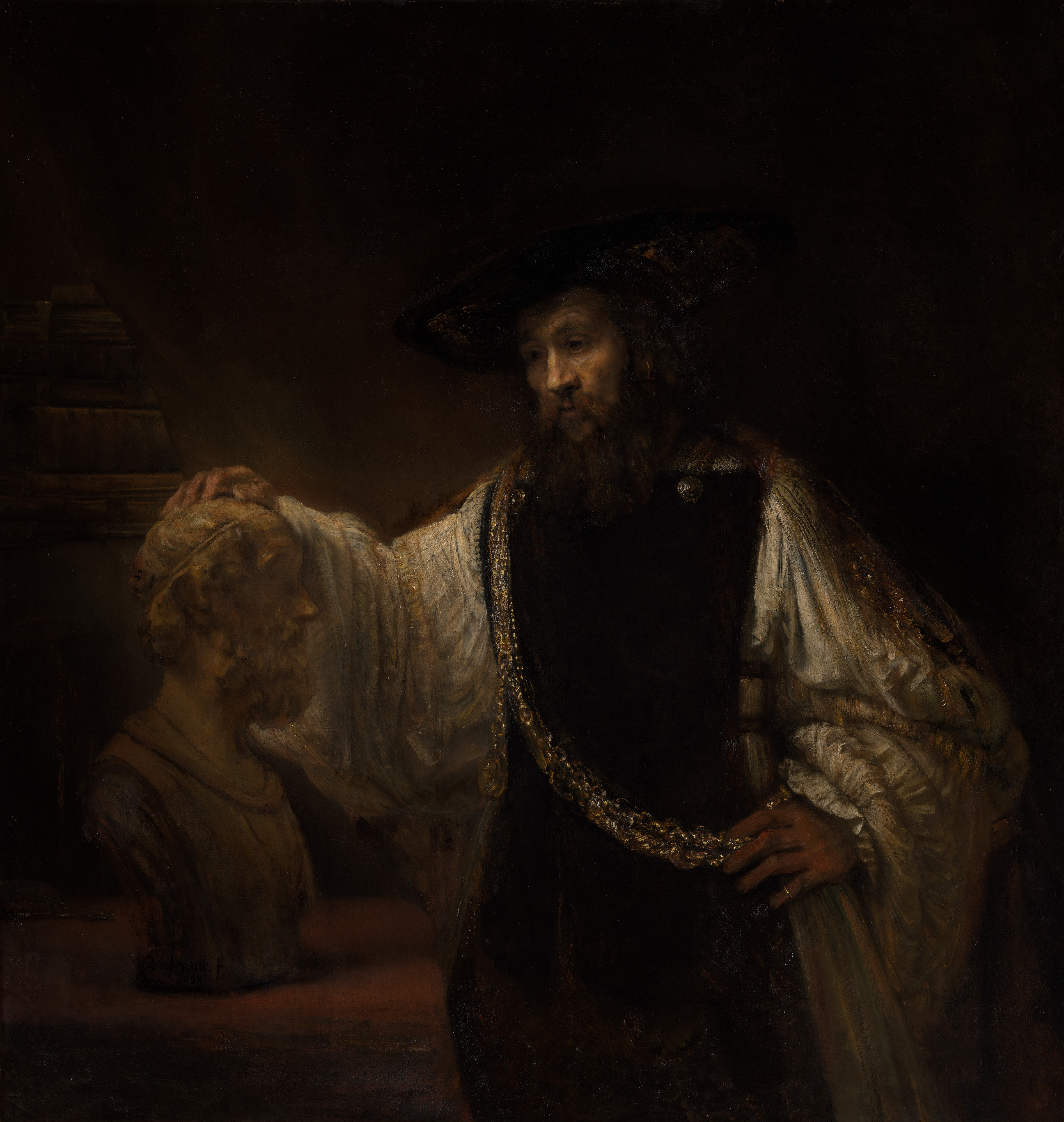
Rembrandt (Rembrandt van Rijn) — "Aristotle with a Bust of Homer" (1653), public domain

All ancient philosophers were men—right?

If you scroll through textbooks, you see the usual suspects: Socrates, Plato, Aristotle—every bust has a beard. The story goes that ancient philosophy was a men-only club.

Women taught and shaped philosophy.

But the record isn’t blank. Plato’s dialogues feature Diotima—described as a teacher of Socrates. Arete of Cyrene ran her own school for decades. Centuries later, Hypatia led the Alexandrian school of philosophy. The evidence isn't as thick as for the men, but their names and ideas survive.

Why did the myth win out?

Centuries of copying, translating, and retelling erased most women from the picture. Male students got more recognition—and some sources even blurred women’s names into male ones. The classics we inherit are already filtered.

Women like Diotima, Arete of Cyrene, and Hypatia (later, in Roman Egypt) left their mark on ancient philosophy, taught students, and even led schools—at times defying social norms and leaving a faint but real trail in the texts.

Continue reading in the app

Daily fragments of ancient history, designed for your morning routine.

Download for iOS
5.0 on the App Store

Keep reading

Story · Classical Athens, 415 BC

The Mystery of the Mutilated Herms

On the eve of war, dozens of sacred statues across Athens lost their faces—literally hacked off in the night.

Quote · Imperial Rome

Epictetus on Listening

"Nature gave us one tongue and two ears so that we may listen more and talk less." Epictetus, whose silence could shame an emperor.

On This Day · Hellenistic Greece meets Republican Rome

On This Day: Pyrrhus Lands in Italy

May 4, 280 BCE: Pyrrhus of Epirus steps onto Italian soil with 25,000 men—and 20 war elephants, the likes of which Rome had never seen.

Fact · Classical Greece (5th–4th c. BCE)

Pet Dogs on Athenian Tombstones

An Athenian tombstone from 450 BCE shows not just a citizen—but his small, fluffy dog, carved sitting at his feet.

Fragmenta.

Made with care for history that deserves it.

App Store

Product

How It WorksDaily FragmentsFeaturesToday in HistoryBlogDownload

Legal

Privacy PolicyTerms of ServiceEULASupportPress

Connect

TikTok
© 2026 Fragmenta. All rights reserved.