
Greek Bathhouses Used Olive Oil Waste for Heating
Step into a Greek public bath and breathe in the thick, nutty scent—because the fires below are fueled by sludge scraped from oil jars.
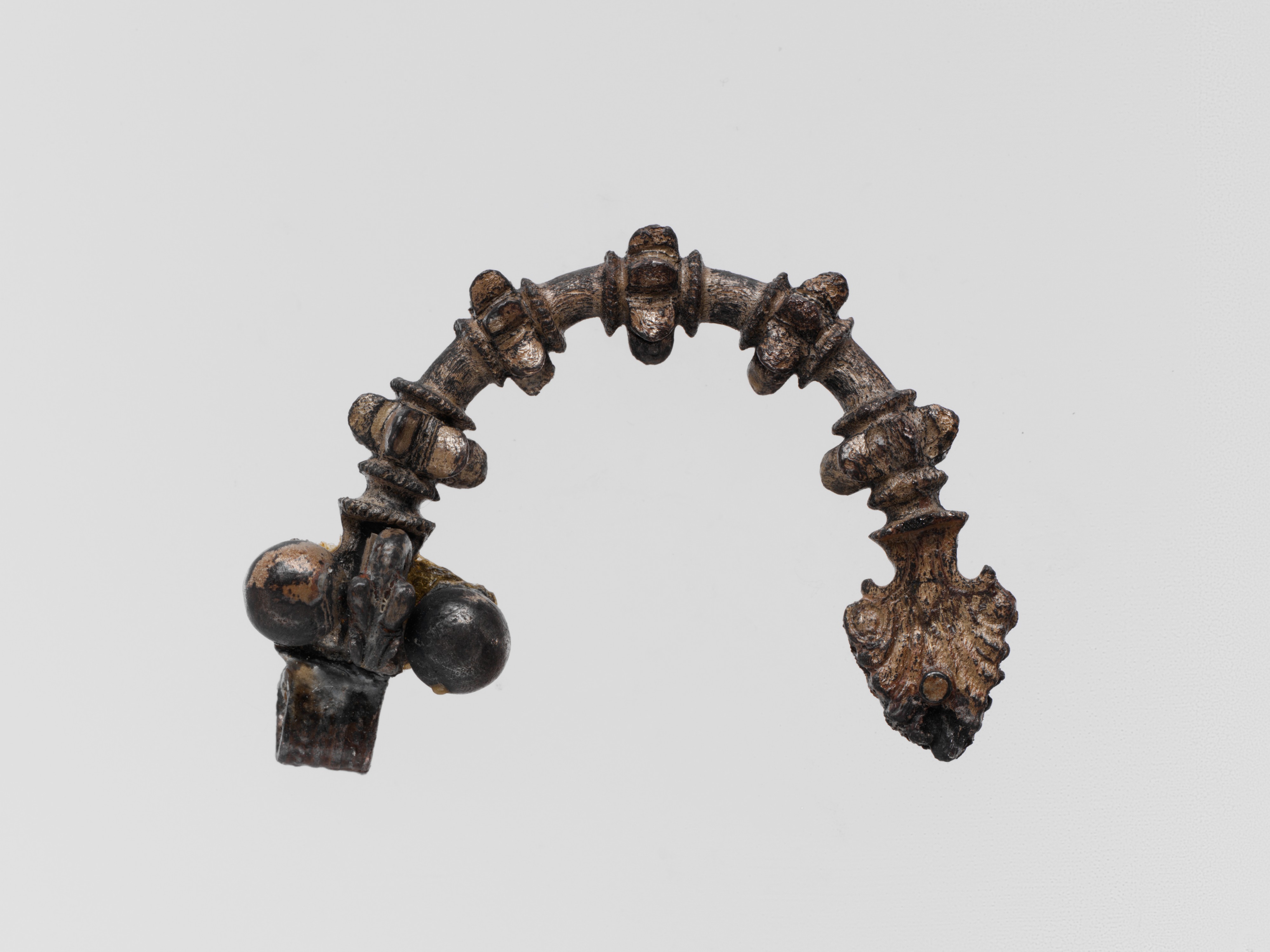
Unknown — "Silver fibula (fibula)" (5th–4th century BCE), public domain
Waste Feeds the Flames
Public baths in ancient Greece didn’t waste a drop. The sludge left at the bottom of olive oil jars—the heavy, greasy 'lees'—was scooped up and burned to heat water for baths and steam rooms. The smell clung to every towel and tile.
Archaeology Seals the Case
Excavations at Greek bathhouses reveal furnace pits caked with oily black residue, not just wood ash. Inscriptions show attendants collecting the oil waste from local sellers. Even the detritus of luxury found a second, sweaty life.
Greek bathhouses ran hot on 'lees'—the leftover muck from pressing olives for oil. Archaeologists have found bath furnaces layered with black, greasy residue, and even records of bath attendants buying up old olive dregs. Nothing was wasted if it burned.
