
Epictetus on Losing
"Never say about anything: 'I have lost it,' but: 'I have returned it.'" Epictetus makes even loss an act of will.
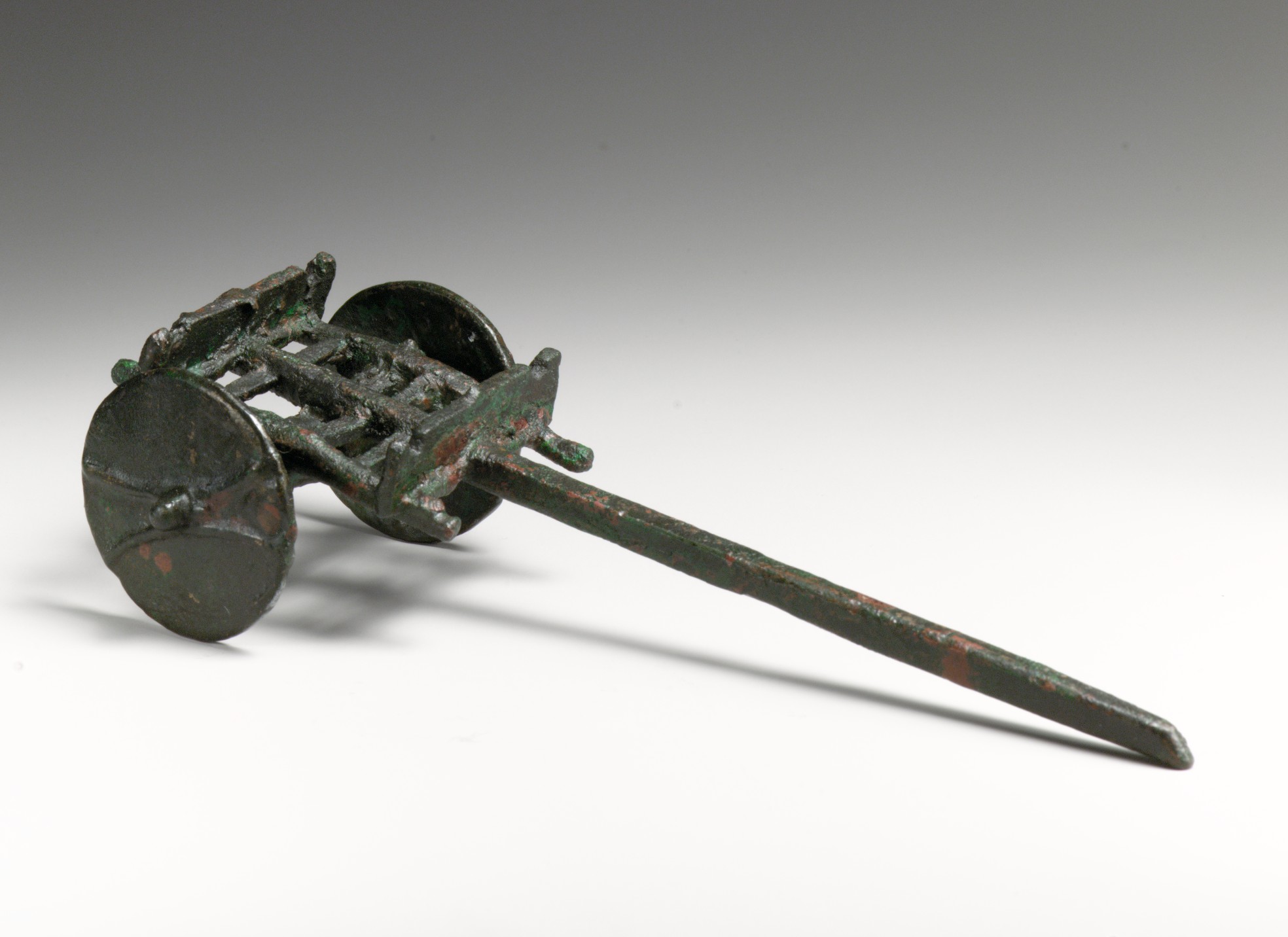
Unknown — "Bronze model of a cart with farmyard group" (2nd century BCE–1st century CE), public domain
Loss, reimagined.
In the Enchiridion (Handbook) 11, Epictetus writes: «Μηδὲν περὶ οὐδενὸς λέγε, ὅτι ἀπέβαλον, ἀλλὰ ὅτι ἀπέδωκα.» — «Never say about anything: 'I have lost it,' but: 'I have returned it.'" He meant everything — money, friends, even your own body.
What does 'returning' mean?
Epictetus believed possession is a trick of the mind. Everything we hold — health, wealth, loved ones — is on loan from the world. When it leaves us, we practice gratitude, not grievance. To lose with grace is the ultimate Stoic test.
Who dared to teach this?
Born a slave, crippled by his master, Epictetus still radiated freedom. He lived simply, taught fiercely, and believed the only thing you truly own is your reaction. Loss, for him, wasn’t defeat. It was a moment to prove your philosophy.
Epictetus, once a slave, taught that you don’t own life’s gifts — you borrow them. And you return them without complaint.
