
Did Greek Women Have No Power?
In movies and textbooks, ancient Greek women are just shadows behind the curtain—no voice, no power, always at home.
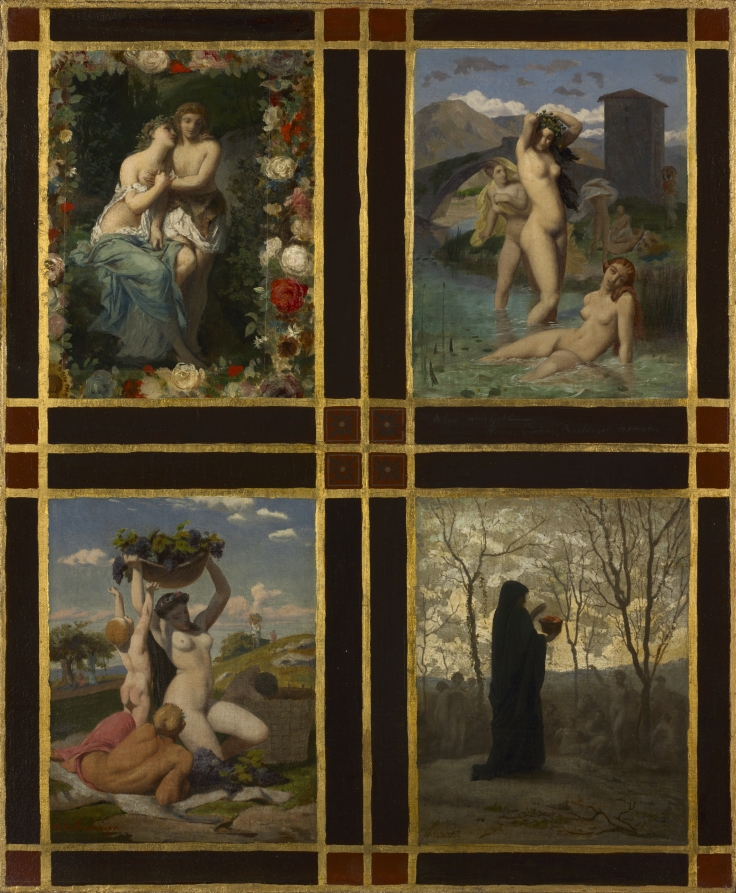
Henry Picou (French, 1824–1895) — "The Four Seasons" (1850), CC0
The myth of the powerless Greek woman.
We’re told Greek women were always locked away—uneducated, voiceless, barred from public life. It’s the standard story in every schoolbook and almost every Greek movie. For most, even their names are forgotten.
But real women shaped the city.
In Sparta, women owned land and ran households while men trained for war. Across Greece, priestesses like the Pythia at Delphi held terrifying influence—no war was launched without her cryptic approval. In Athens, women led massive festivals, maneuvered behind the scenes, and some like Aspasia debated with philosophers.
Why do we forget them?
Athenian male writers called female agency 'unwomanly'—so their stories barely made it into the record. Tombstones and financial records, though, betray a quieter truth: power moves in the shadows, and some ancient Greek women left a heavy mark.
Some women shaped politics, owned property, and led religious festivals. Their influence, especially in places like Sparta or among priestesses, could shake a whole city.
