Fragmenta.
How It WorksPricingTodayBlog
Download for iOS
Today›Myth Buster
Myth Buster·Ancient Greece·Classical Greece

Greek Phalanx: Not Always a Wall

Picture Greek hoplites—locked shields, spears pointed forward, moving as one flawless wall. Impossibly disciplined, invincible.
Greek Phalanx: Not Always a Wall

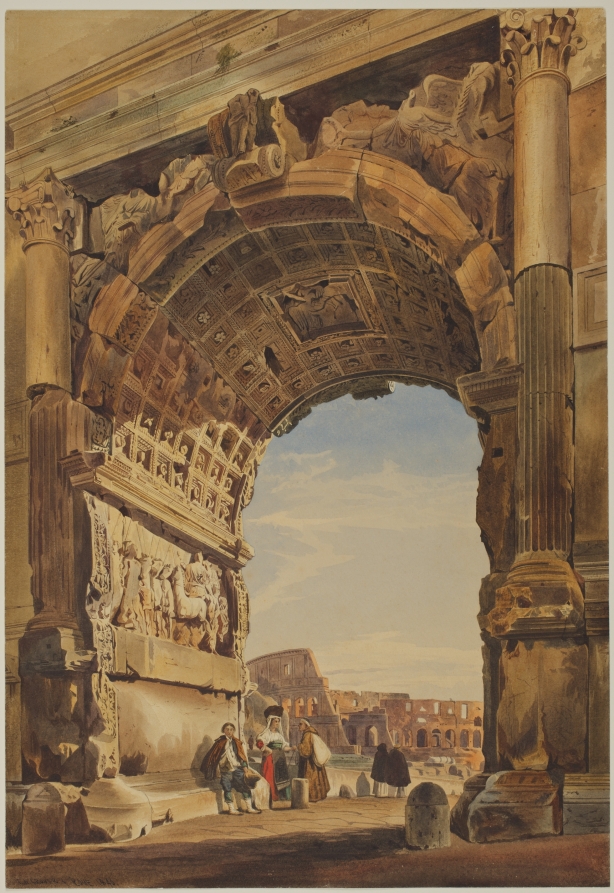
Thomas Hartley Cromek (British, 1809–1873) — "The Arch of Titus and the Coliseum, Rome" (1846), CC0

The myth of the perfect phalanx.

Every movie shows it: Greek hoplites in shining armor, a human tank rolling across the plain. Shields locked, spears bristling, not a gap or stumble in sight. The phalanx as a flawless war machine.

Battle was messy. Shields slipped.

Real hoplite warfare was chaotic. Ancient sources like Herodotus and Thucydides describe lines buckling, individual duels, and the noise of metal on metal. Archaeological finds show scattered armor and weapons. Hoplites sometimes broke formation to chase enemies or simply survive the melee.

How the myth stuck.

Later Greek writers and especially vase painters loved the image of unbreakable discipline. Their art froze a moment of perfect order—a snapshot, not a reality. The myth survives because it’s neater than the muddy, terrifying truth.

Real Greek battles were chaos. Mud, shouts, armor clattering. Shields slipped, lines bent, and soldiers sometimes broke rank to chase glory or survival. Archaeology and battle accounts show the famous phalanx was never machine-perfect.

Three minutes a day.

Fact-checked stories from ancient Greece and Rome, delivered every morning as swipeable cards.

Download for iOS
5.0 on the App Store

Keep reading

Story · Classical Athens

Diogenes and the Lantern

At noon, Diogenes walked through Athens with a lit lantern, searching for an 'honest man.'

Quote · Imperial Rome

Marcus Aurelius on Dealing with Other People

"When you wake up in the morning, tell yourself: today I shall meet with interference, ingratitude, insolence, disloyalty, ill-will, and selfishness." — Marcus Aurelius preps himself for another day as emperor, and it hits like a checklist of every bad meeting ever.

On This Day · Classical Greece

On This Day: Athens Sweets Its Summer—The Honey Harvest

Mid-July in Athens: honeycombs drip golden in the sun. Bees are everywhere, and so are sticky fingers.

Fact · Classical Greece, 5th–4th century BCE

Hidden Graffiti Under Greek Vases

Under the base of a Greek vase, archaeologists found a stick figure etched by its maker—a private joke, never meant to be seen.

Fragmenta.

Made with care for history that deserves it.

App Store

Product

How It WorksDaily FragmentsFeaturesToday in HistoryBlogDownload

Legal

Privacy PolicyTerms of ServiceEULASupportPress

Connect

TikTok
© 2026 Fragmenta. All rights reserved.