
Musonius Rufus on Knowing Yourself
"Let each man examine himself." — Musonius Rufus, echoing the Delphic Oracle, turns the searchlight inward in Greek.
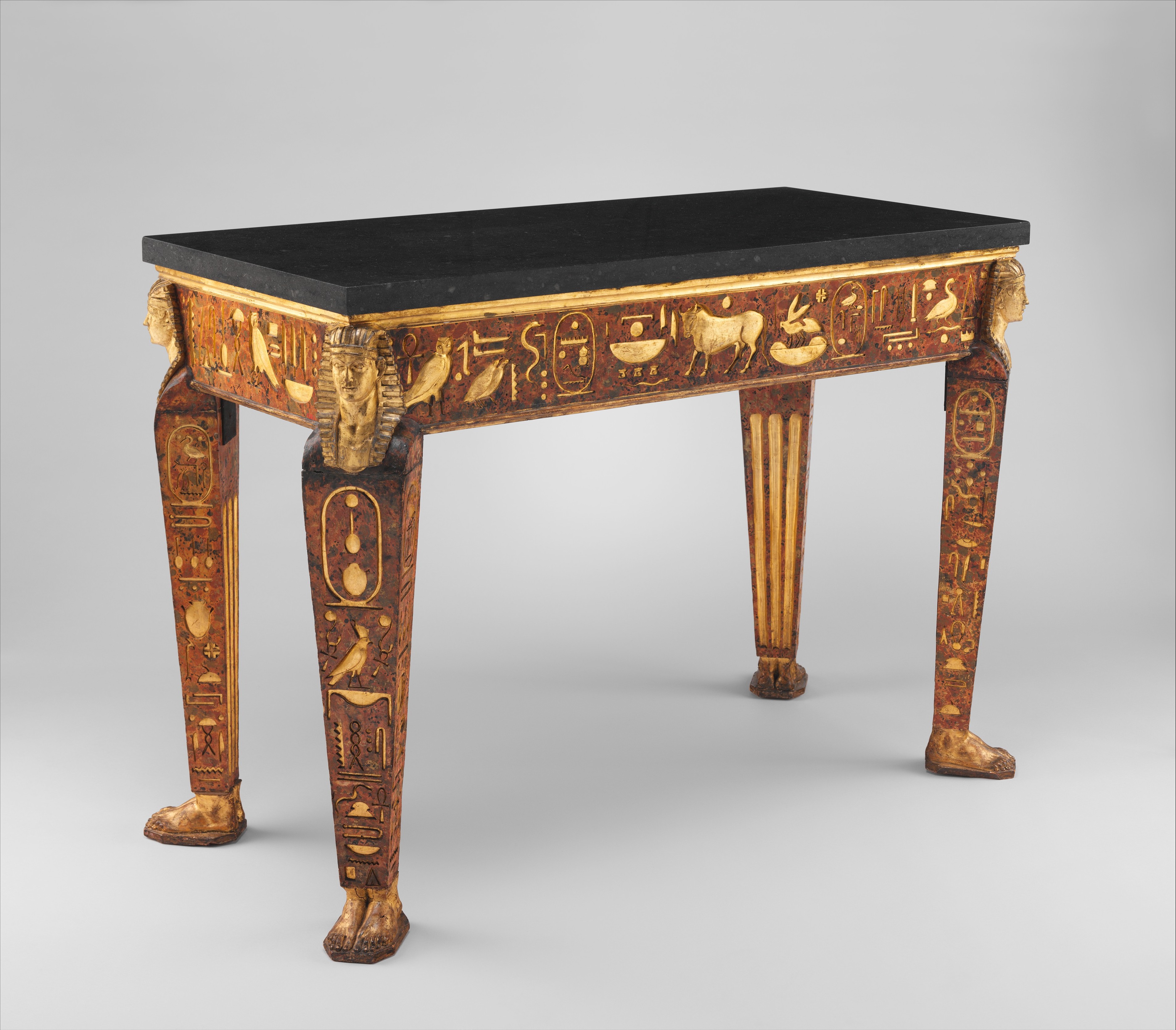
Unknown — "Table" (ca. 1775–80), public domain
Greek words, Roman challenge.
Musonius Rufus, in Lecture 1, says: «Ἕκαστος ἑαυτὸν ἐξετάζοι.» — "Let each man examine himself." Not content with ancient slogans, Musonius tells students: turn your scrutiny inward, every day, or risk living a lie.
Why Musonius made honesty a habit.
For Stoics, philosophy was more than debate — it was self-discipline. Musonius saw self-examination as the root of all virtue. It wasn’t enough to know what was right; you had to interrogate yourself, spot the cracks, and rebuild honestly.
A teacher who lived his test.
Musonius Rufus taught emperors, exiles, and even women in a world that rarely let them in. He was exiled for his convictions multiple times. To him, the hardest test was the one you gave yourself, with nobody watching.
Musonius Rufus goes harder than "know thyself" — he makes self-examination a daily drill, not a philosophical slogan. For him, there’s no virtue without relentless honesty. It’s a call that still stings today.
