Fragmenta.
How It WorksPricingTodayBlog
Download for iOS
Today›Myth Buster
Myth Buster·Ancient Greece·Classical Greece (5th century BCE)

Could Greek Warriors Hear in Those Helmets?

Think of a Greek hoplite: face sealed in bronze, ears muffled, fighting blind to sound. How did anyone hear orders—or a spear swinging in the dark?
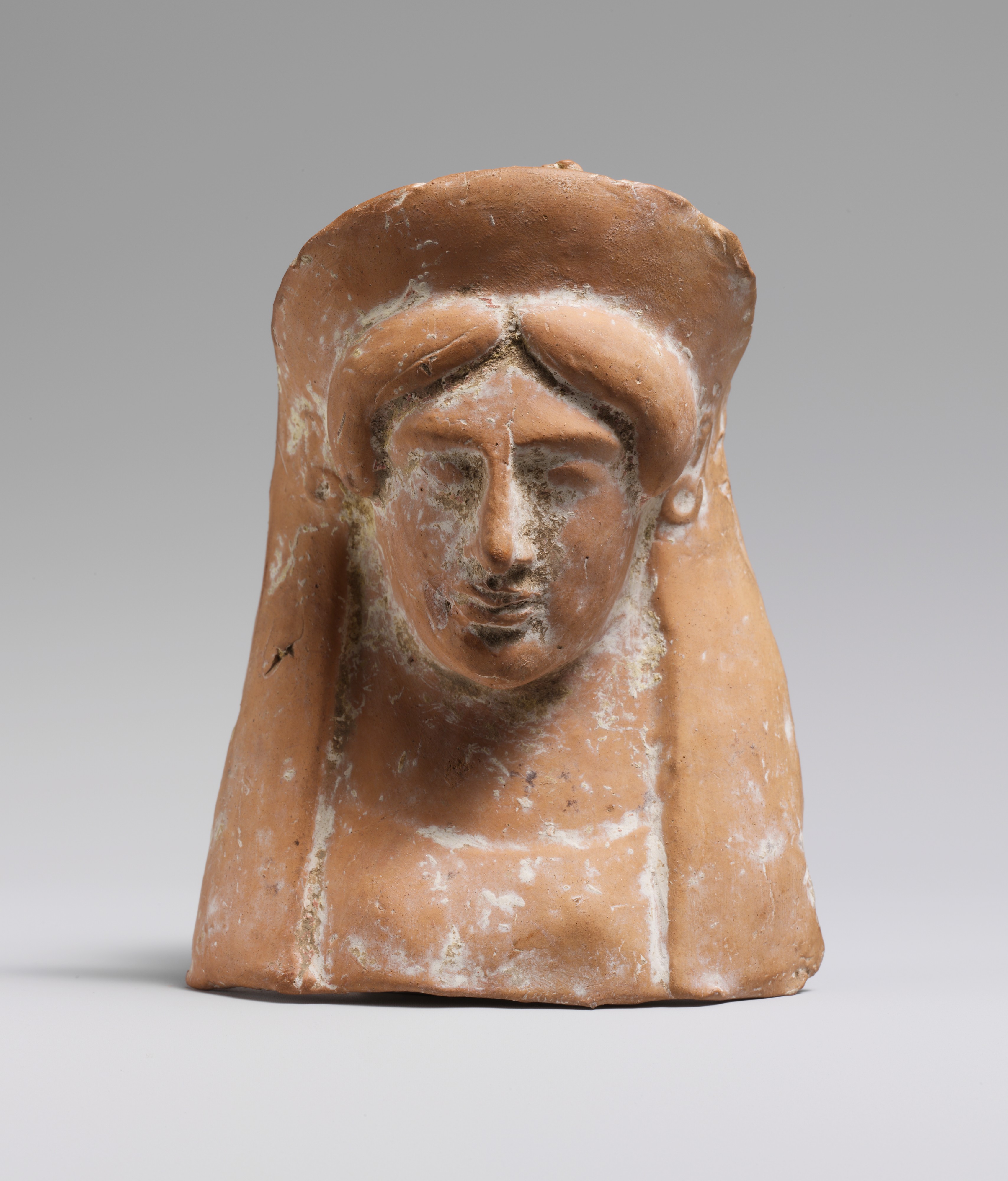
Could Greek Warriors Hear in Those Helmets?

Unknown — "Terracotta relief with the head and neck of a woman" (1st half of 5th century BCE), public domain

Did Greek helmets make soldiers deaf?

Movies show Greek hoplites charging in bronze helmets that clamp over the whole head—no ear holes, no mercy. It looks heroic, but also impossible: how could anyone hear a command, or a friend yell "Duck!"?

Real helmets weren’t sensory prisons.

Actual Greek warriors often wore helmets like the 'Illyrian' or 'Chalcidian' types—open around the ears, or with clever cutouts for hearing. Even the famous 'Corinthian' helmet, the full-face classic, was phased out for battle by the late 5th century BCE—archaeology shows it’s found more in graves and art than on real battlefields.

That sealed-face look? Blame later artists.

The iconic, ear-blocking Corinthian helmet became the symbol of Greek heroism—on statues, coins, and vases. But by then, it was more cosplay than combat. The myth survives because art keeps it alive, not the battlefield.

Archaeological tests and ancient art reveal that most Greek helmets left the ears surprisingly exposed or had clever slits and notches. Those throat-closing 'Corinthian' helmets you see in museums? By the late 400s BCE, they were mostly for parades—real warriors needed their senses sharp.

Three minutes a day.

Fact-checked stories from ancient Greece and Rome, delivered every morning as swipeable cards.

Download for iOS
5.0 on the App Store

Keep reading

Story · Hellenistic Greece

Demetrius, the Besieger, and the Iron Ramp

Siege machines creaked in the night as Demetrius ordered an iron ramp built right over city walls—nowhere in Greece had seen anything like it.

Quote · Late Republic

Cato the Younger on Silence

"I begin to speak only when I am certain what to say is not better left unsaid." — Cato the Younger, the Senate’s last immovable object, measured every word as if it might be his last.

On This Day · Republican and Imperial Rome

On This Day: May 11 Was a Dies Comitialis

May 11: In Rome, today is a dies comitialis—a day when citizens could vote, debate, and change the future in the shadow of the Capitol.

Fact · Classical Athens, 5th–4th century BCE

Athenian Law: The Adulterer’s Radish

Athenians punished male adulterers by shoving a radish up a very personal place. And that was just the start.

Fragmenta.

Made with care for history that deserves it.

App Store

Product

How It WorksDaily FragmentsFeaturesToday in HistoryBlogDownload

Legal

Privacy PolicyTerms of ServiceEULASupportPress

Connect

TikTok
© 2026 Fragmenta. All rights reserved.