
Horsehair Crest Helmets: Not for Every Greek Soldier
Every Greek hoplite in films sports a towering horsehair crest on his helmet, bobbing dramatically in battle. But most real Greek helmets weren’t so flashy.
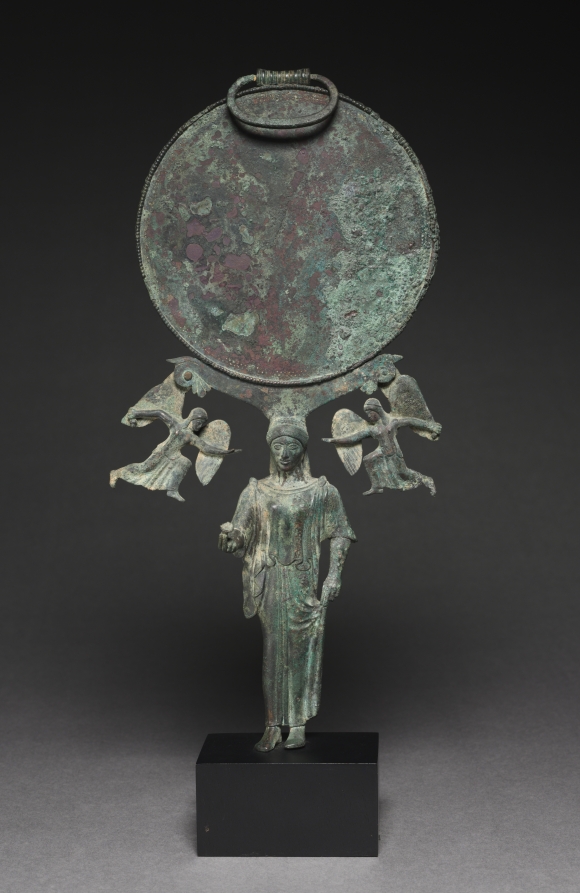
Unknown — "Mirror" (c. 470–460 BCE), CC0
The crest on every helmet?
You picture Greek soldiers—every one with a helmet topped by a mohawk of horsehair, swaying over the battlefield. Textbook illustrations and movie posters love the look. But ancient soldiers weren’t running around in costume armor.
Crests were rare for most.
The famous Corinthian helmet did sometimes sport a crest, but for parade, not pitched battle. Mass graves and battlefield finds show most soldiers wore simpler helmets or none at all—nothing to grab, nothing in an enemy’s way. Officers and heroes went dramatic. The rest stuck with what worked.
Why the myth sticks.
Painters in the 1800s and modern filmmakers loved the style—so every hoplite gets a plume. The myth survives because it looks great on screen, not because it’s what Greeks actually wore into combat.
Elaborate crests were for officers, festivals, and parades. Archaeology shows the rank-and-file fought with plainer, sturdier helmets—sometimes totally crestless for practicality.
