
Epicurus on the Wealth of Simple Pleasures
“If you wish to be rich, do not add to your money, but subtract from your desires.” Epicurus, in plain Greek, flips the equation: «Πλούσιος οὐχ ὁ πολλὰ ἔχων, ἀλλ’ ὁ ὀλίγων δεόμενος.»
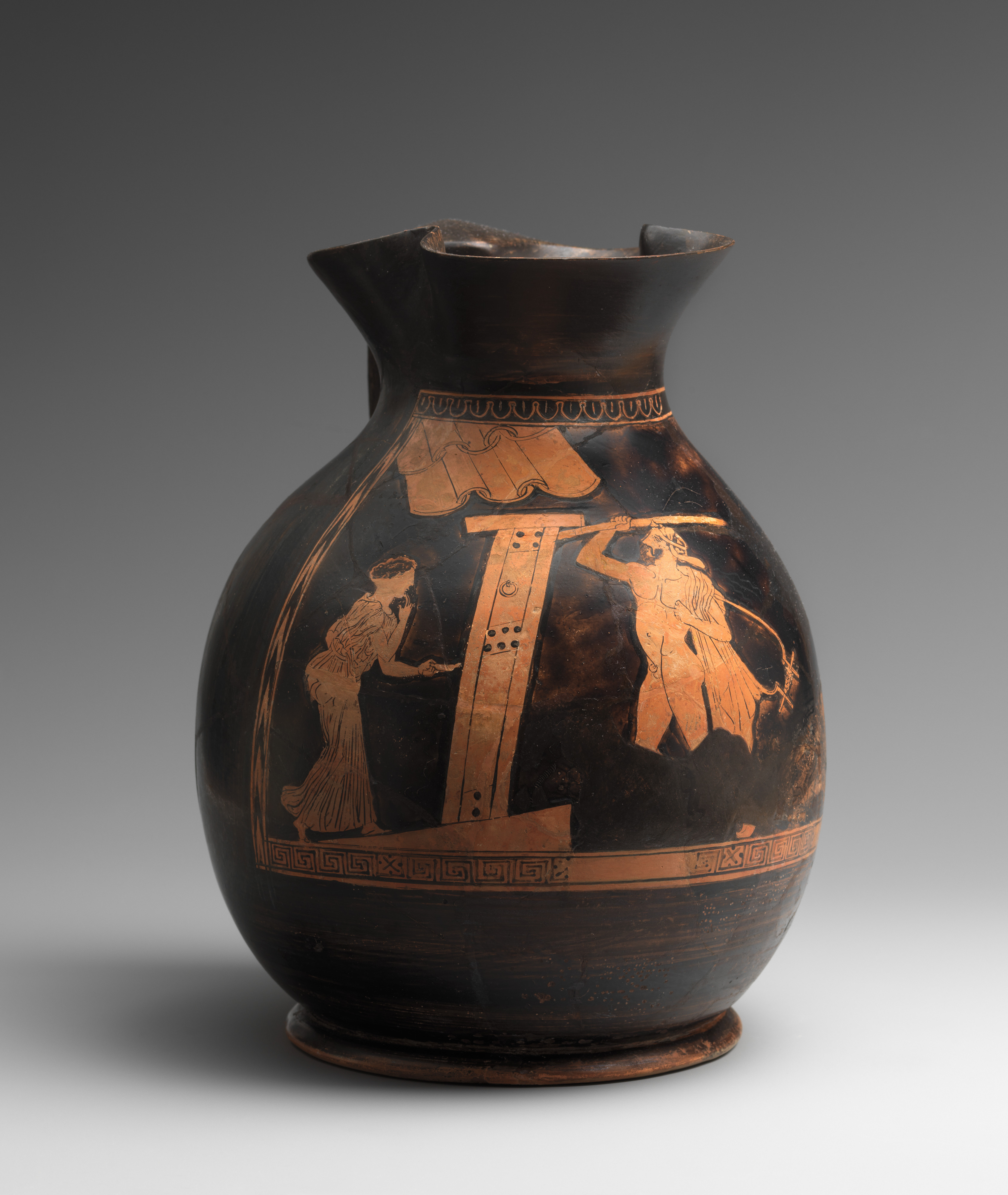
Unknown — "Terracotta oinochoe: chous (jug)" (ca. 430–420 BCE), public domain
Rich is the one who wants little.
Epicurus, in Vatican Sayings 25, writes: «Πλούσιος οὐχ ὁ πολλὰ ἔχων, ἀλλ’ ὁ ὀλίγων δεόμενος.» — "Rich is not the one who has much, but the one who needs little." It's a philosophy built for survival — high walls, low expectations.
Why less was more to him.
Epicurus lived in an age of luxury and violence, but built a school in his own garden. He taught that real pleasure is freedom from pain and fear, not endless feasting. The secret? Enjoy simple things. Hunger makes dry bread taste rich. Friendship makes a shack feel like a palace.
The philosopher in the garden.
Epicurus didn’t care about fame or status. He walked barefoot among fig trees, taught men and women together, and let outsiders mock his simple meals. His radical advice: want less, live more. It hasn't aged a day.
Epicurus’s world was noisy with palaces and power struggles. He built his happiness on bread, cheese, and friends. His definition of wealth still wins every recession.
