
Epicurus on Friendship
“Of all things that wisdom provides to help one live one’s entire life in happiness, the greatest by far is the possession of friendship.” Epicurus, in a letter, didn’t whisper this—he hit it like a bell: «Τῶν πρὸς τὸ εὐδαιμονεῖν εὐθὺς ἀρχομένων καὶ ἐξ ἀρχῆς παρ᾽ ἡμῖν παρεχομένων οὐδὲν μέγα φιλίας ὑπάρχει.»
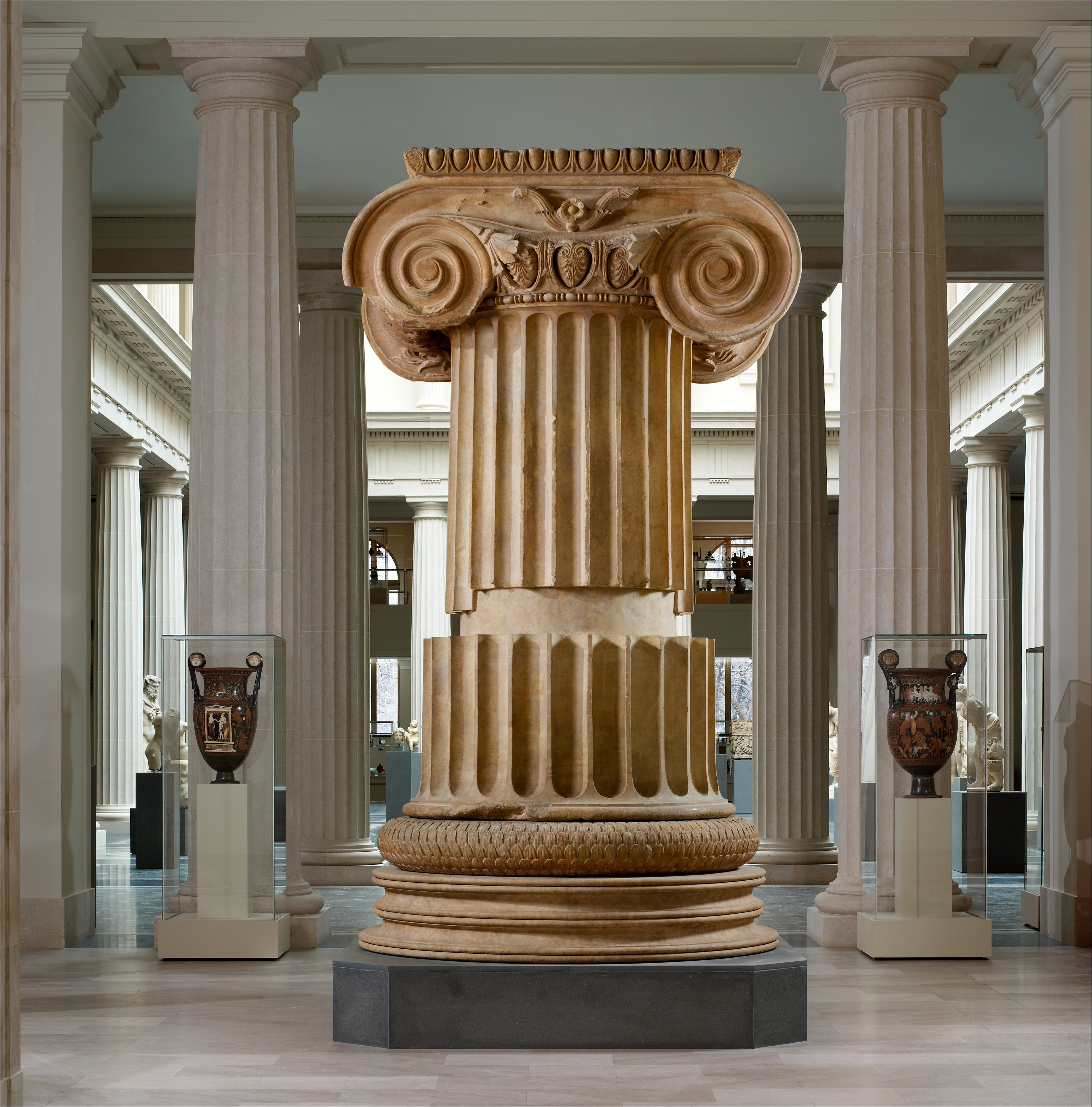
Unknown — "Marble column from the Temple of Artemis at Sardis" (ca. 300 BCE), public domain
Friendship beats fortune.
Epicurus, in his Letter to Menoeceus, wrote: «Τῶν πρὸς τὸ εὐδαιμονεῖν εὐθὺς ἀρχομένων καὶ ἐξ ἀρχῆς παρ᾽ ἡμῖν παρεχομένων οὐδὲν μέγα φιλίας ὑπάρχει.» — “Of all things that wisdom provides to help one live one’s entire life in happiness, the greatest by far is the possession of friendship.”
Philosophy over feasts.
Epicurus was wrongly labeled a hedonist. What he actually taught: pleasure is simple, and nothing sweetens life more than trust and laughter with friends. Money, power, even gods shrink beside the warmth of a good companion. Bliss, in Epicurus’s world, is shared—not hoarded.
The garden instead of the palace.
Epicurus opened his school in an Athenian garden where men and women mixed freely. No gold, no sacrifices—just philosophy, figs, and company. He changed the recipe for happiness. Today, when you value your chosen family, you’re living out Epicurus’s best idea.
Epicurus built a garden, not to chase pleasure, but to gather friends. Happiness, he thought, isn’t found in what you own, but who you break bread with. His words still shape how we measure a good life.
