Fragmenta.
How It WorksPricingTodayBlog
Download for iOS
Today›Character
Character·Ancient Rome·Early Imperial Rome

Epictetus: The Slave Philosopher

Epictetus grew up a slave, his leg twisted by a cruel master’s hand. Later, as a free man, he taught emperors that true freedom is found in the mind, not in chains.
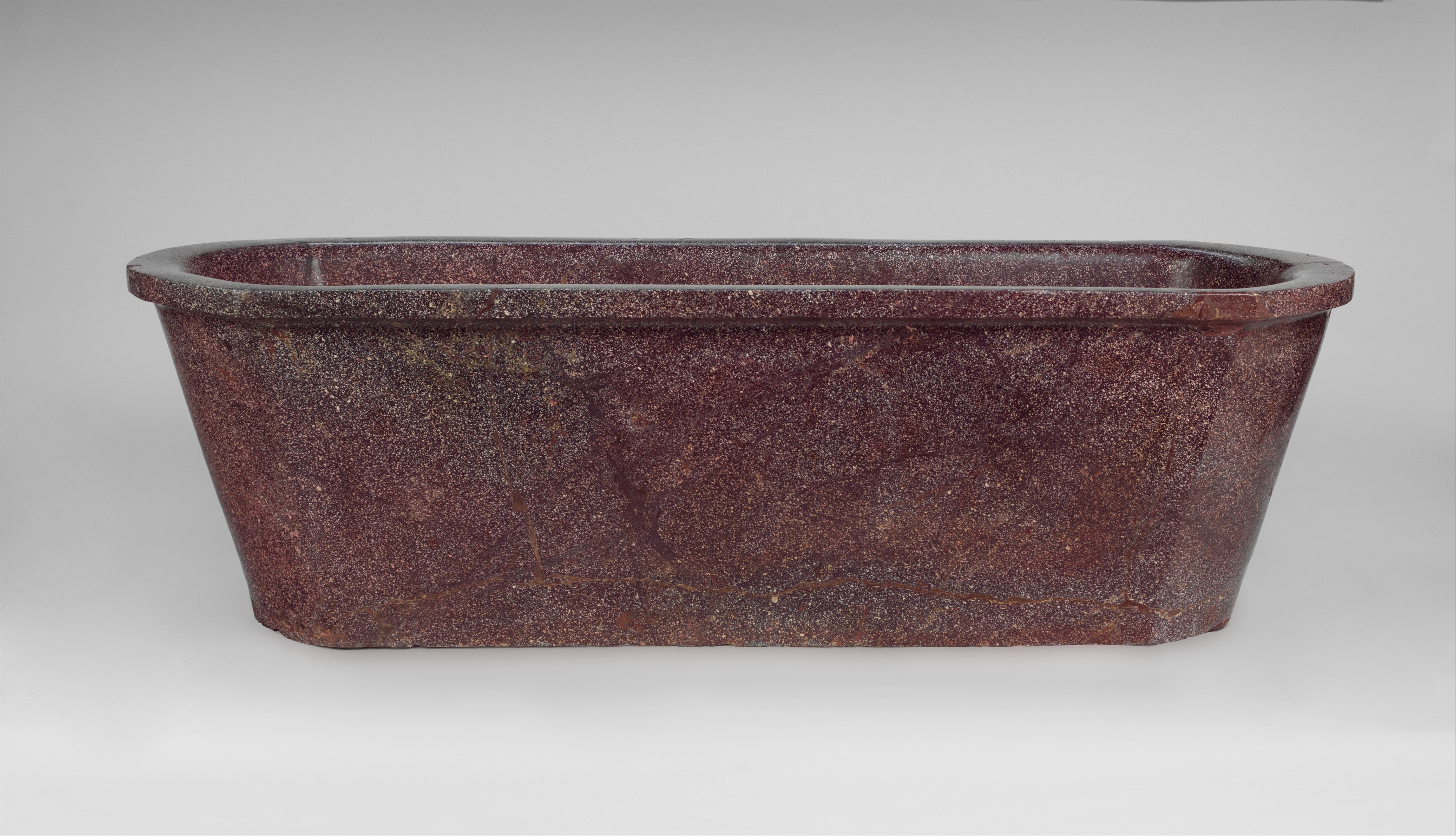
Epictetus: The Slave Philosopher

Unknown — "Porphyry basin" (2nd–3rd century CE), public domain

Freedom in Chains

Epictetus spent his youth as property, his leg crippled by a master’s violence. Later, he told students: some things you control, some you don’t. No one can touch your mind unless you let them.

From Slave Quarters to Imperial Tutor

After being freed, Epictetus ran a philosophy school where Roman elites crammed onto his benches. Word spread—here was a man who practiced what he preached, shaped by suffering, not shielded from it.

His Words Outlast Empires

Centuries later, Marcus Aurelius kept Epictetus’s teachings by his bedside. The blunt voice of a former slave shaped the ethics of emperors—and still echoes in every philosophy class today.

Stoic wisdom wasn’t born in palaces—it was hammered out in the barracks and kitchens of Roman slavery. Epictetus learned endurance and dignity one insult at a time. When he finally opened his own school, even senators and the future emperor Hadrian came to listen. The sharpest questions about power and freedom often came from those denied both.

Three minutes a day.

Fact-checked stories from ancient Greece and Rome, delivered every morning as swipeable cards.

Download for iOS
5.0 on the App Store

Keep reading

Quote · Late Republican Rome

Cicero on Friendship and Truth

“A friend is, as it were, a second self.” Cicero, under threat of exile, writes a line that outlasts every office and every war.

Story · Classical Greece

Antigone Buries Her Brother

By torchlight, Antigone dared to sprinkle dust over her brother’s corpse—knowing it meant death.

On This Day · Classical Athens

On This Day: Athens Watches the Grain Ripen

Early May: The wheat fields outside Athens shimmer gold—almost ready for harvest, and everyone is watching the sky.

Fact · Late Republic and Early Empire

Roman Women Could Divorce Their Husbands

If a Roman matron wanted out of her marriage, she could pack her bags, walk out the door, and file for divorce—no trial, no drama, no husband’s permission needed.

Fragmenta.

Made with care for history that deserves it.

App Store

Product

How It WorksDaily FragmentsFeaturesToday in HistoryBlogDownload

Legal

Privacy PolicyTerms of ServiceEULASupportPress

Connect

TikTok
© 2026 Fragmenta. All rights reserved.