Fragmenta.
How It WorksPricingTodayBlog
Download for iOS
Today›Quote
Quote·Ancient Rome·Imperial Rome

Epictetus on What We Control

"Some things are up to us and some are not." — Epictetus cracks open the door to Stoic sanity: «Τῶν ὄντων τὰ μὲν ἐφ' ἡμῖν, τὰ δὲ οὐκ ἐφ' ἡμῖν.»
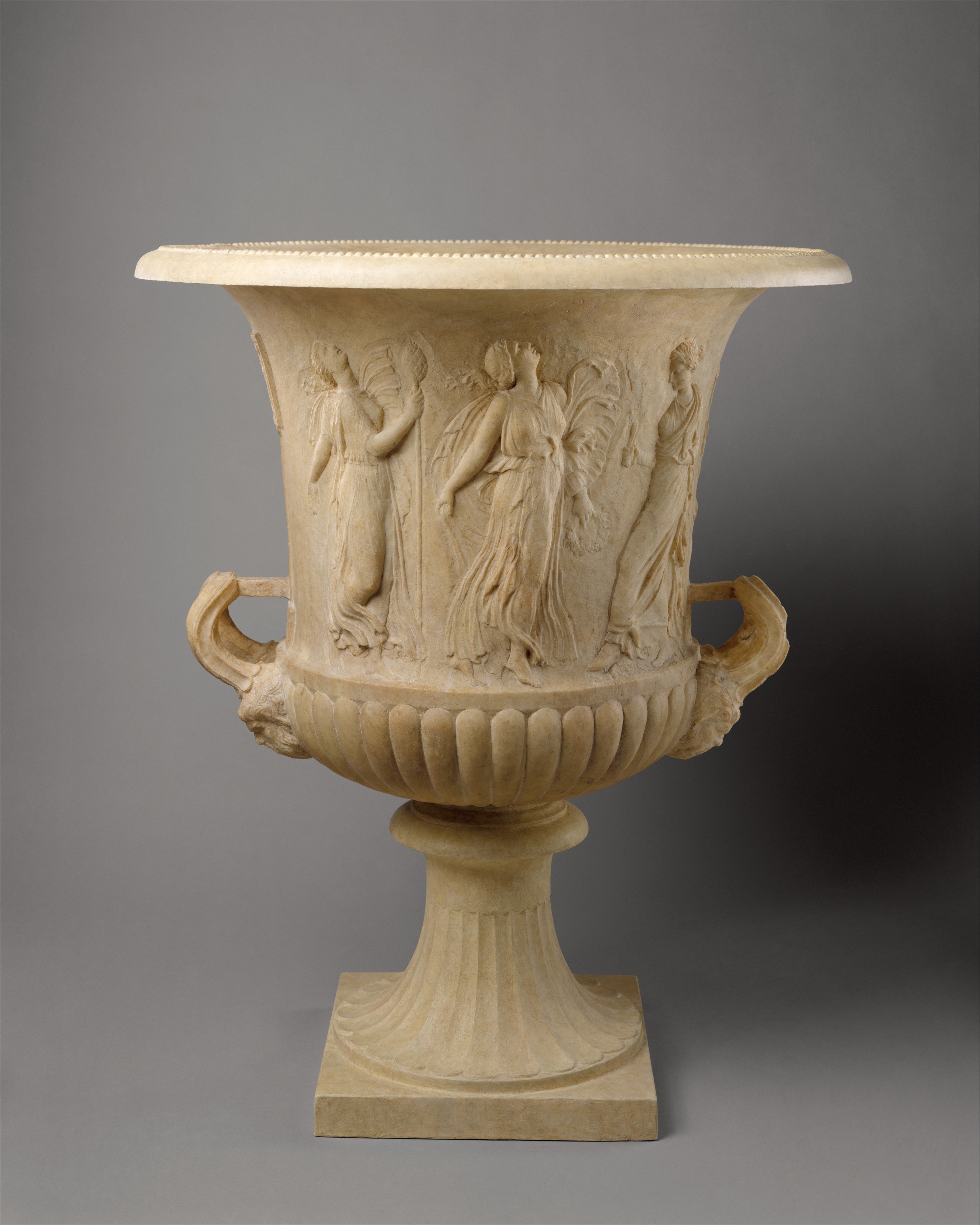
Epictetus on What We Control

Unknown — "Marble calyx-krater with reliefs of maidens and dancing maenads" (1st century CE), public domain

The ultimate Stoic boundary.

Epictetus opens his Enchiridion (1.1) with: «Τῶν ὄντων τὰ μὲν ἐφ' ἡμῖν, τὰ δὲ οὐκ ἐφ' ἡμῖν.» — «Some things are up to us and some are not.» In a single line, he sketches the Stoic worldview: control what you can, accept what you can’t.

Freedom through focus.

For Epictetus, anxiety comes from mixing up these categories — raging at weather, fate, or the actions of others, instead of steering your own choices. The Stoic cure: put your energy where you have power. Let the rest blow by like Mediterranean wind.

From slave to philosopher.

Epictetus was born a slave, owned nothing, and limped through life. Yet his calm, sharp logic about control inspired emperors and prisoners alike. His advice is evergreen: don’t chain your happiness to what you can’t command.

Epictetus drew the line between what we can change and what we can’t — the Stoic distinction that still keeps people sane in a chaotic world.

Three minutes a day.

Fact-checked stories from ancient Greece and Rome, delivered every morning as swipeable cards.

Download for iOS
5.0 on the App Store

Keep reading

Quote · Late Republican Rome

Cicero on Friendship and Truth

“A friend is, as it were, a second self.” Cicero, under threat of exile, writes a line that outlasts every office and every war.

Story · Classical Greece

Antigone Buries Her Brother

By torchlight, Antigone dared to sprinkle dust over her brother’s corpse—knowing it meant death.

On This Day · Classical Athens

On This Day: Athens Watches the Grain Ripen

Early May: The wheat fields outside Athens shimmer gold—almost ready for harvest, and everyone is watching the sky.

Fact · Late Republic and Early Empire

Roman Women Could Divorce Their Husbands

If a Roman matron wanted out of her marriage, she could pack her bags, walk out the door, and file for divorce—no trial, no drama, no husband’s permission needed.

Fragmenta.

Made with care for history that deserves it.

App Store

Product

How It WorksDaily FragmentsFeaturesToday in HistoryBlogDownload

Legal

Privacy PolicyTerms of ServiceEULASupportPress

Connect

TikTok
© 2026 Fragmenta. All rights reserved.