
Christian Martyrs in the Colosseum
People picture early Christians thrown to lions in the Colosseum. Bloody sand, roaring crowds, faith tested by teeth and claws.
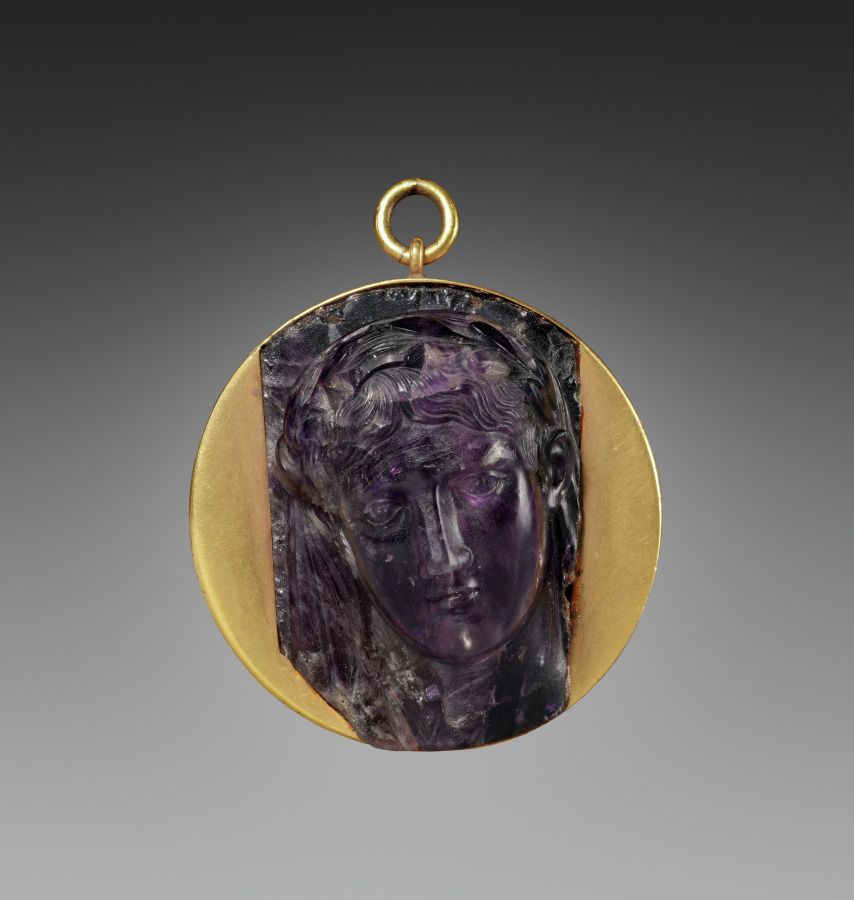
Unknown — "Cameo: Head of a Woman" (1–100 CE), CC0
Thrown to the lions?
The image is everywhere: Christians, huddled together, awaiting death as wild animals pace at the edge of the Colosseum’s bloodstained sand. Countless paintings and movies have burned it into our minds. It’s powerful—but it’s not borne out by the evidence.
No proof for Colosseum martyrdoms.
Ancient sources make no clear mention of mass Christian executions in the Colosseum. Most early persecutions happened in smaller arenas or public squares. The Colosseum mostly staged gladiator fights, animal hunts, and the execution of criminals—not specifically Christians. The first detailed accounts linking Christian martyrdoms to the Colosseum appear centuries later.
How did the myth begin?
Victorian writers and 19th-century artists, eager to dramatize Christian suffering, put the scene in the Colosseum—the world’s most iconic arena. Over time, the myth overshadowed messier, more scattered realities. History is rarely as tidy—or cinematic—as we wish.
There's no ancient evidence for mass Christian martyrdom inside the Colosseum itself—Rome had many places of execution, and the Colosseum's main events focused on criminals, gladiators, and exotic beast hunts.
