
Cicero Thwarts the Catiline Conspiracy
On a foggy November morning, Cicero stood before the Senate—wearing body armor under his toga.
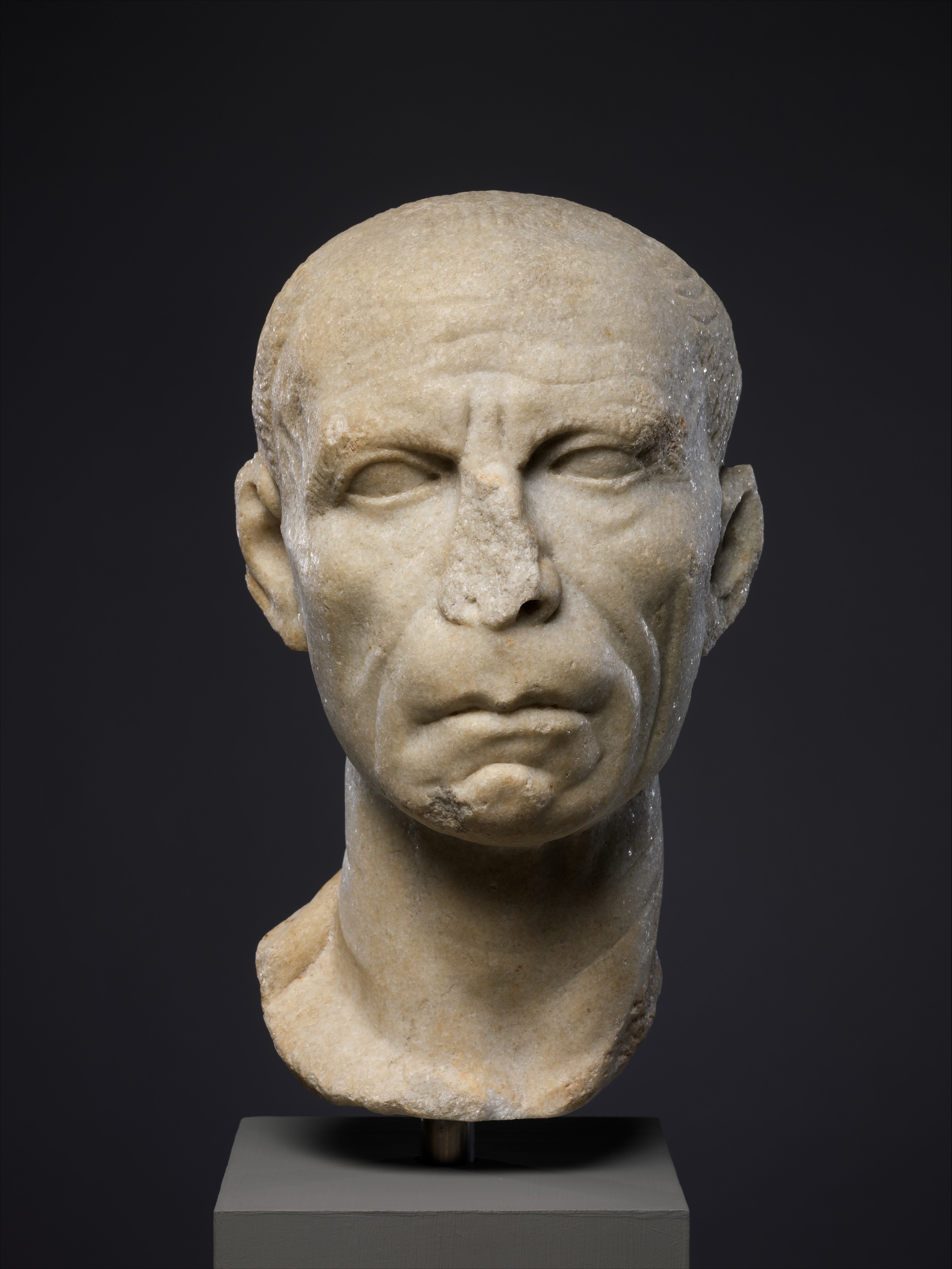
Unknown — "Marble portrait of a man" (late 1st century BCE), public domain
Cicero’s armor beneath the toga.
It’s 63 BC. Cicero, consul of Rome—and a self-made man—faces rumors of a coup. He strides into the packed Senate, iron plates strapped to his chest, and delivers the first Catilinarian Oration. Above him, a balustrade thrums with anxious senators.
Plotters exposed, chaos unleashed.
Cicero names Lucius Sergius Catilina—seated in the chamber—as mastermind of a plot to burn Rome and slaughter its leaders. Catiline bolts from the room; some followers panic, others melt into the crowd. Cicero’s words set the dominoes tumbling, and within days, the conspiracy collapses.
One man, one speech, no swords.
No army stands behind Cicero—just public outrage. His speeches give the Senate the mandate to execute traitors without trial. In a city ruled by violence, a single orator’s nerve changes everything—and leaves a constitutional scar Rome never heals.
With just words and wit, Cicero exposed a conspiracy to seize Rome and sent aristocrats fleeing into the night—proving that sometimes, the deadliest weapon is a speech.
