
Cicero: Cloak of Exile
The most famous orator in Rome flees the city in silence, his face hidden by a dark cloak—leaving behind a Senate that had cheered his rise.
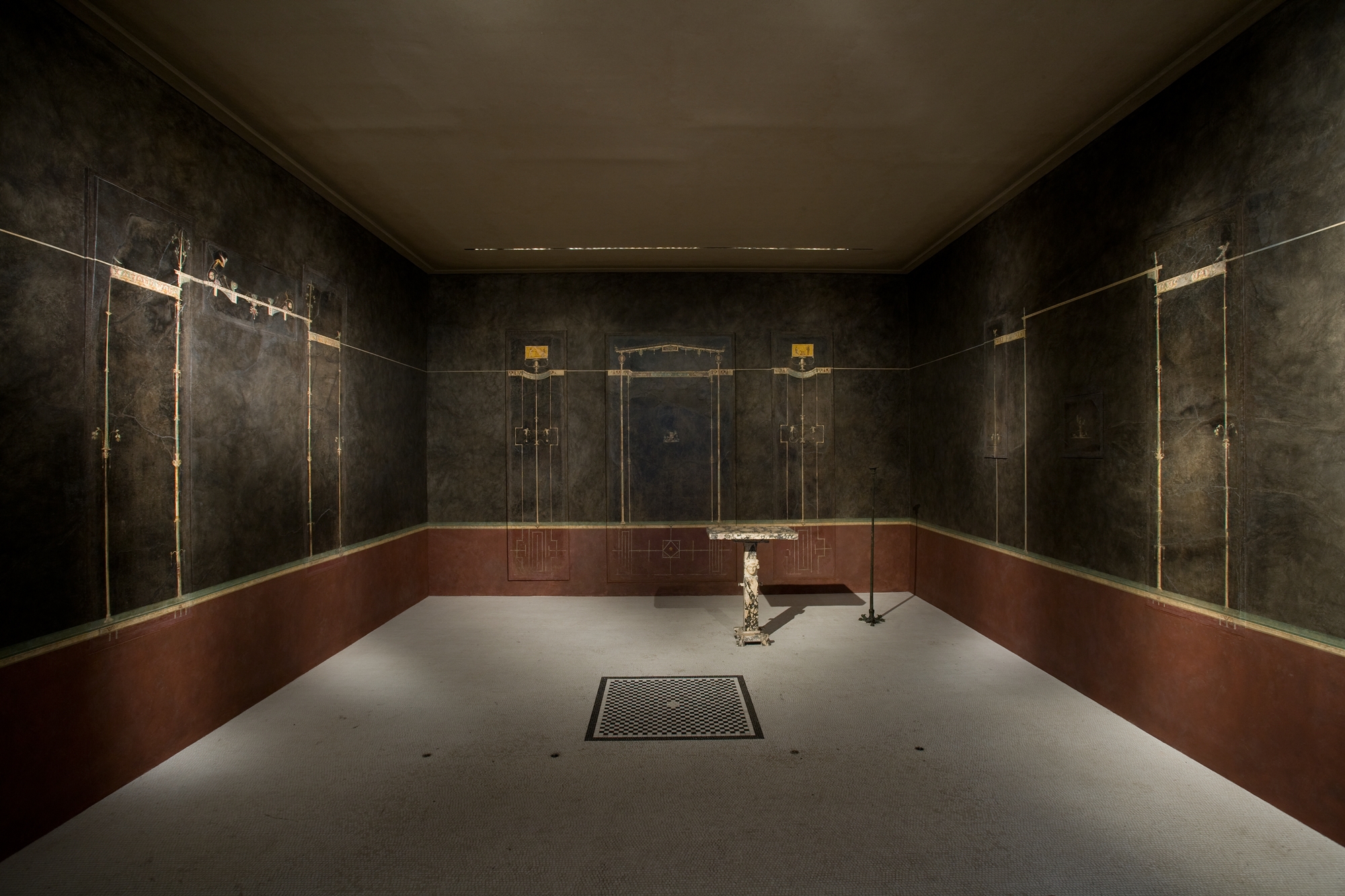
Unknown — "Wall paintings on black ground: from the imperial villa at Boscotrecase" (last decade of the 1st century BCE), public domain
A Cloak, a Silent Road, and Exile
The most celebrated orator in Rome slipped out of the city, face veiled, ignored by the crowds who once cheered his speeches. Cicero, who broke conspiracies and courted applause, now traveled alone—no supporters, no honors, just the sound of his sandals on the stones.
From Power to Powerless
Rome’s politics turned as quickly as a mob. Cicero saved the Republic from Catiline but later ran afoul of new enemies and was outlawed by a single vote. Exile meant not just leaving home but erasing himself from the city that defined him.
Even Words Failed Him
In Macedonia, Cicero practiced speeches to the empty hills, his voice echoing off the stones. He learned that fame in Rome could turn into silence overnight—and in that silence, he found the weight of his own words.
Cicero, once hailed for saving Rome from conspiracy, found himself exiled by political enemies just years later. His voice, which could topple consuls and dazzle crowds, was powerless when the mob turned. In Macedonia, he wandered foreign roads, writing trembling letters home and practicing speeches to empty fields.
