
Cato the Younger on Honor
"I would much rather have men ask why I have no statue, than why I have one." — Cato the Younger would rather be forgotten than celebrated for the wrong reasons.
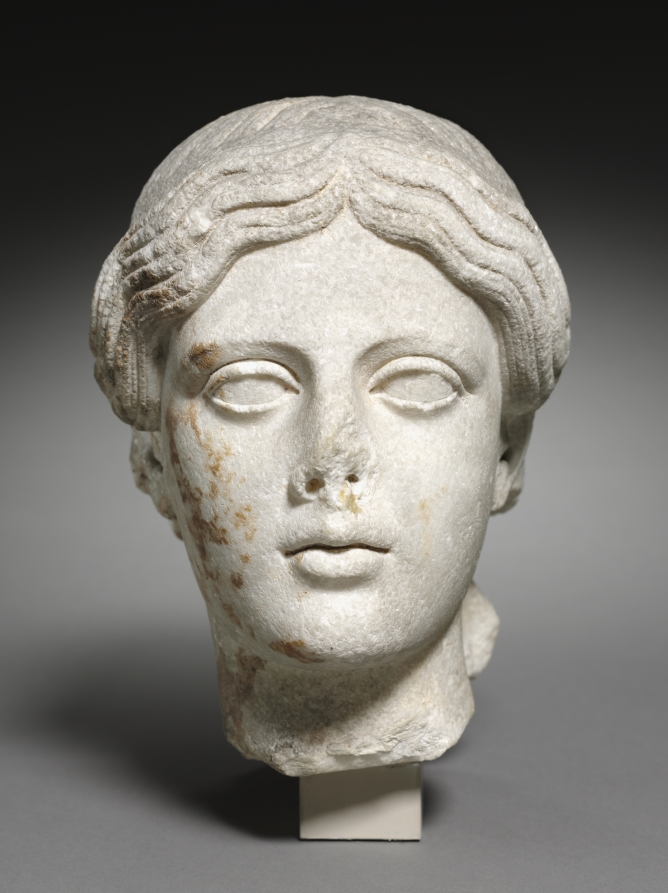
Unknown — "Idealized Head" (50 BCE–100 CE), CC0
A legacy of humility.
Plutarch, in his Life of Cato the Younger (chapter 19), records: «Μᾶλλόν μοι βούλομαι ζητεῖν ἀνθρώπους διὰ τί οὐκ ἔχω ἄγαλμα ἢ διὰ τί ἔχω.» — «I would much rather have men ask why I have no statue, than why I have one.» Cato lived on principle, not applause.
Why Cato said no to glory.
Cato was the rock in Rome’s storm — stubborn, incorruptible, nearly impossible to move. For him, fame without virtue was rot beneath a golden skin. Statues could be bought. Character was not for sale.
Cato’s inconvenient conscience.
He wore simple clothes, walked barefoot in the Senate, and refused bribes as civil war swirled. Cato lost every political game — but won a reputation so fierce even Caesar couldn’t erase it. Humility, sometimes, outlives marble.
Cato’s stubborn integrity both inspired and infuriated Rome. He was the rare politician who feared honors more than disgrace.
