Fragmenta.
How It WorksPricingTodayBlogESDownload for iOS
ES
Today›Myth Buster
Myth Buster·Ancient Rome·Late Republic

Caesar's Dying Words: Not 'Et tu, Brute?'

Every movie has Caesar gasping, 'Et tu, Brute?' as the knives go in. That's pure Shakespeare, not ancient history.
Caesar's Dying Words: Not 'Et tu, Brute?'

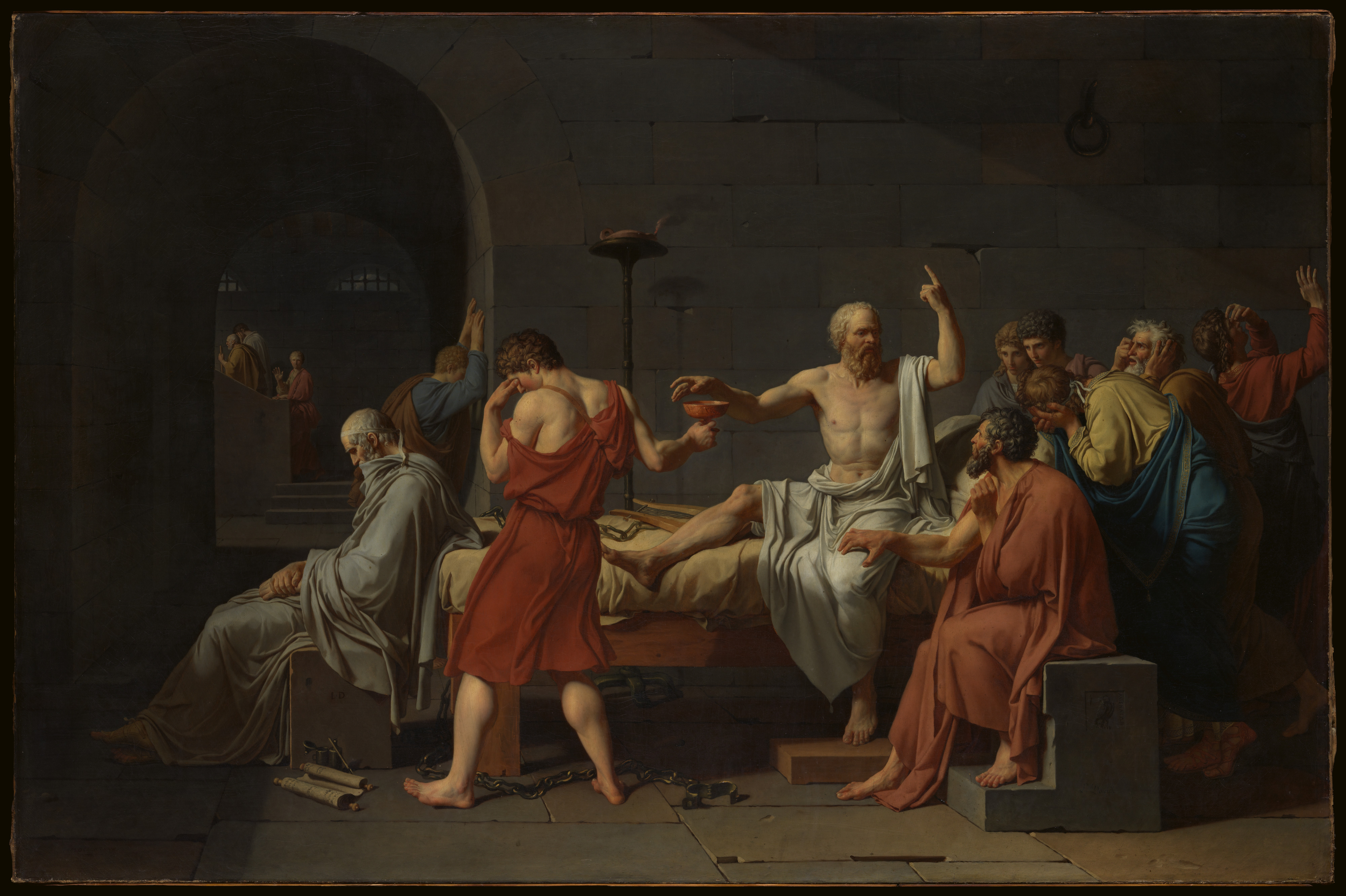
Jacques Louis David — "The Death of Socrates" (1787), public domain

The myth of Caesar's last words.

Picture the scene: knives flash, Caesar staggers—'Et tu, Brute?' he whispers, heartbroken. It's the death scene everyone knows, from Hollywood to high school textbooks. But Caesar never said it—at least, not according to any ancient source.

What did Caesar really say?

Suetonius claims Caesar died in silence, just pulling his toga over his face. Plutarch reports he may have muttered 'You too, my child?' in Greek ('Kai su, teknon?'), but even that is uncertain. The famous Latin phrase was penned by Shakespeare, imagining drama that ancient writers never recorded.

A line born in the theatre.

'Et tu, Brute?' first appears in Shakespeare’s Julius Caesar (1599), not Roman history. Later, the phrase snowballed into legend. We remember Shakespeare’s drama—not the messy chaos of the Senate floor.

Ancient sources give different—and sometimes chilling—final words for Caesar. The iconic line that echoes through pop culture? It was written over 1,600 years later.

Continue reading in the app

Daily fragments of ancient history, designed for your morning routine.

Download for iOS
5.0 on the App Store

Keep reading

Story · Late Republican Rome

Clodia, the Poison Trial, and Cicero’s Spin

In a packed Roman court, Clodia stood accused of poisoning her own lover—while the crowd waited for Cicero to tear her reputation to shreds.

Quote · Imperial Rome

Musonius Rufus on Anger

"He is most powerful who has himself in his own power." — Musonius Rufus, the hard-edged Stoic, taught: «Κρατιστεῖ δ' ἀνὴρ ὁ ἑαυτοῦ κύριος» — "The mightiest man is master of himself."

On This Day · Late Republic and Empire

On This Day: The Ludi Florales Bloom in Rome

April 28: Rome bursts alive with the first day of the Ludi Florales—flower petals, crude comedies, and dancers in nothing but garlands.

Fact · Classical Athens

Athenians Fined for Pooping in Public

In 4th-century BC Athens, you could be fined for letting your donkey—or yourself—relieve itself on a public path.

Fragmenta.

Made with care for history that deserves it.

App Store

Product

How It WorksDaily FragmentsFeaturesToday in HistoryBlogDownload

Legal

Privacy PolicyTerms of ServiceEULASupportPress

Connect

TikTok
© 2026 Fragmenta. All rights reserved.