
The Coup of the Four Hundred
By torchlight, masked men stormed the council hall—Athens was no longer a democracy by morning.
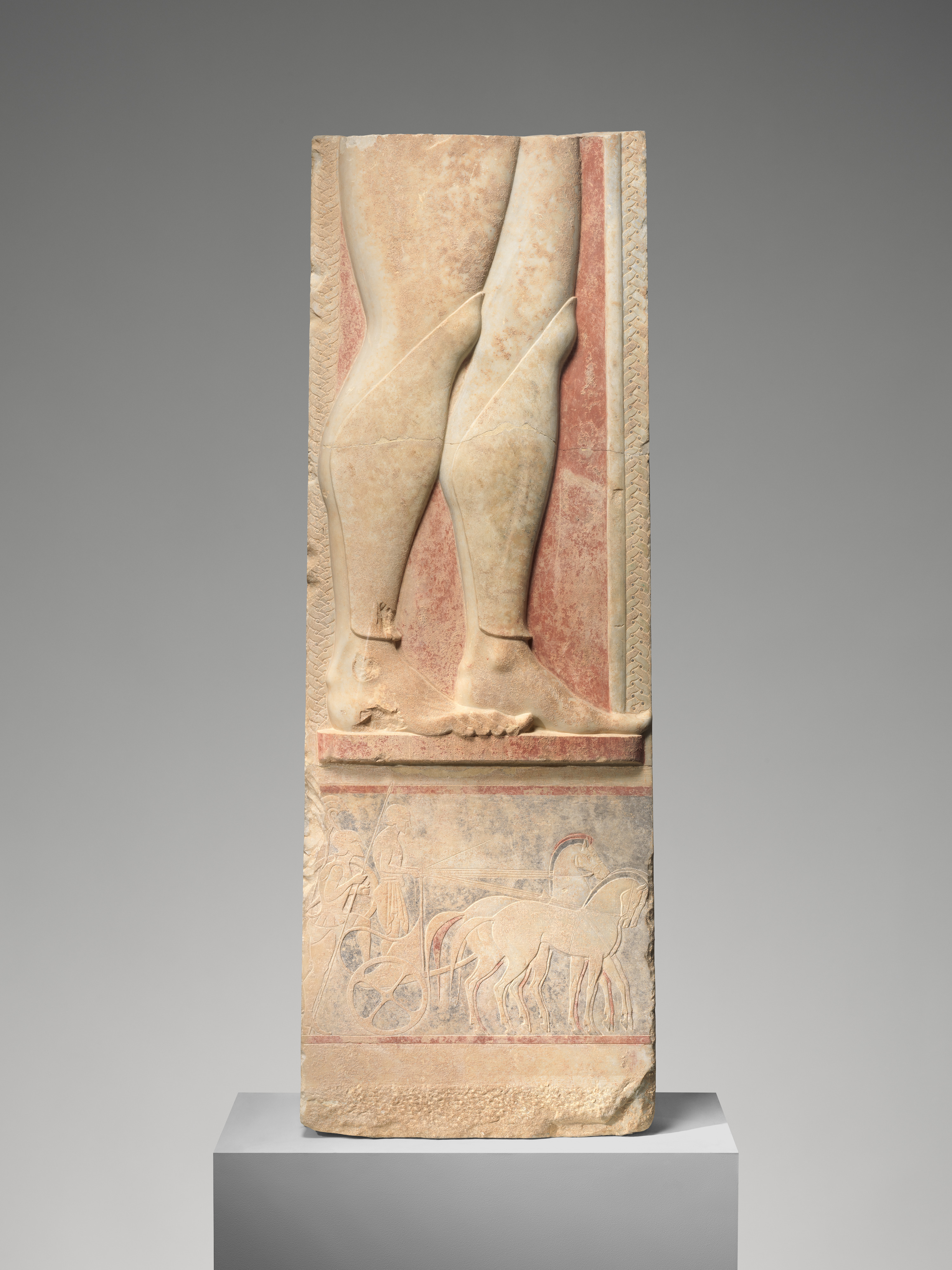
Unknown — "Fragment of the marble stele (grave marker) of a hoplite (foot soldier)" (ca. 525–515 BCE), public domain
Democracy Falls in the Dark
In June 411 BC, Athens reeked of fear. Masked conspirators rushed the Bouleuterion, seized the council, and declared a new regime—the rule of the Four Hundred. By sunrise, centuries of radical democracy had vanished.
Desperate Measures in a Sinking City
With Sparta menacing the walls and the treasury empty, these oligarchs promised to save Athens with 'better men in charge.' It lasted just four months. The army, furious and still loyal to traditional freedoms, swept them out.
Democracy Is Slippery
Athens returned to democracy, but the scars from one night’s coup never really healed. Even in the birthplace of democracy, the threat of losing it always lurked close by.
In the chaos of war, a small group toppled Athens’ democracy overnight—only to find their own grip slipping within months.
