
Artemisia of Halicarnassus: Persian Admiral, Greek Mind
On the morning of the Battle of Salamis, Artemisia sails into the Greek lines—her black-painted trireme flying Persian colors, but her head full of strategy the men around her ignore.
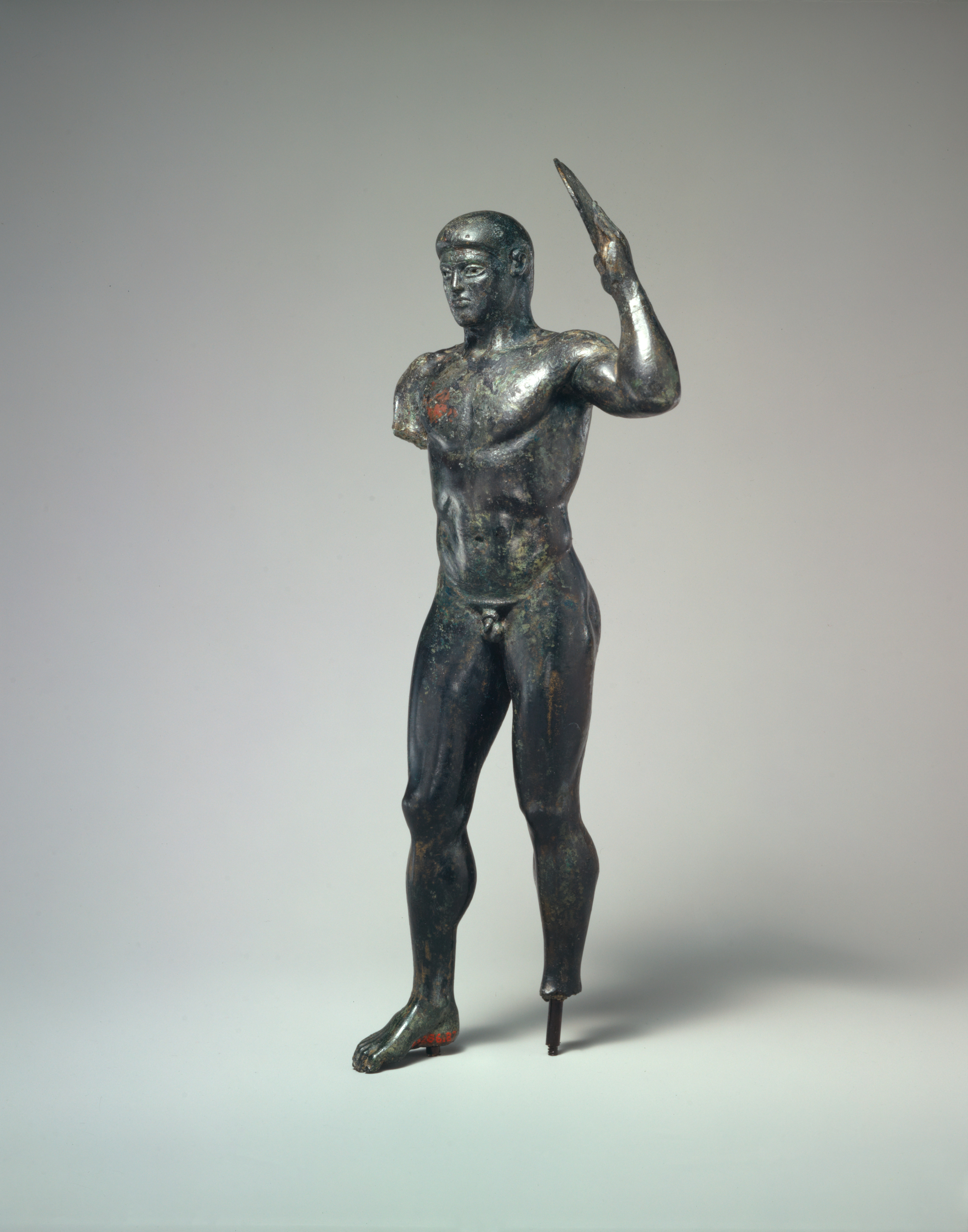
Unknown — "Bronze diskos thrower" (ca. 480–460 BCE), public domain
A Greek Woman, Persian Admiral
Artemisia of Halicarnassus stands at the prow of her warship, her city’s fate tied to the Persian king Xerxes. She is the only female commander at Salamis, her ship slicing through the churned Aegean as the Greek and Persian lines collide.
Outmaneuvering Both Sides
When the battle turns desperate, Artemisia tricks her pursuers by ramming a Persian ally, making the Greeks think she’s switched sides—buying just enough time to escape. Her audacity wins Xerxes’ praise: he supposedly says, 'My men have become women, my women men.' Her Greek enemies grit their teeth in respect.
History Remembers Her Name
Centuries later, Herodotus—himself from her city—can’t help but admire her. In a sea of kings and generals, Artemisia’s sharp mind and sharper gambles set her apart. She was a warning: never underestimate an outsider.
A Greek woman commands a Persian fleet, outmaneuvers her enemies, and escapes by ramming her own allies—winning the respect of Xerxes and the grudging awe of her Greek rivals. In a world where women rarely commanded armies, Artemisia’s ruthlessness and cunning forced history to take note.
