Fragmenta.
How It WorksPricingTodayBlogESDownload for iOS
ES
Today›Story
Story·Greece & Rome·Hellenistic Greece vs. Republican Rome, 191 BC

Elephants at Thermopylae

Romans charged the legendary Thermopylae pass—this time, elephants were blocking the gates.
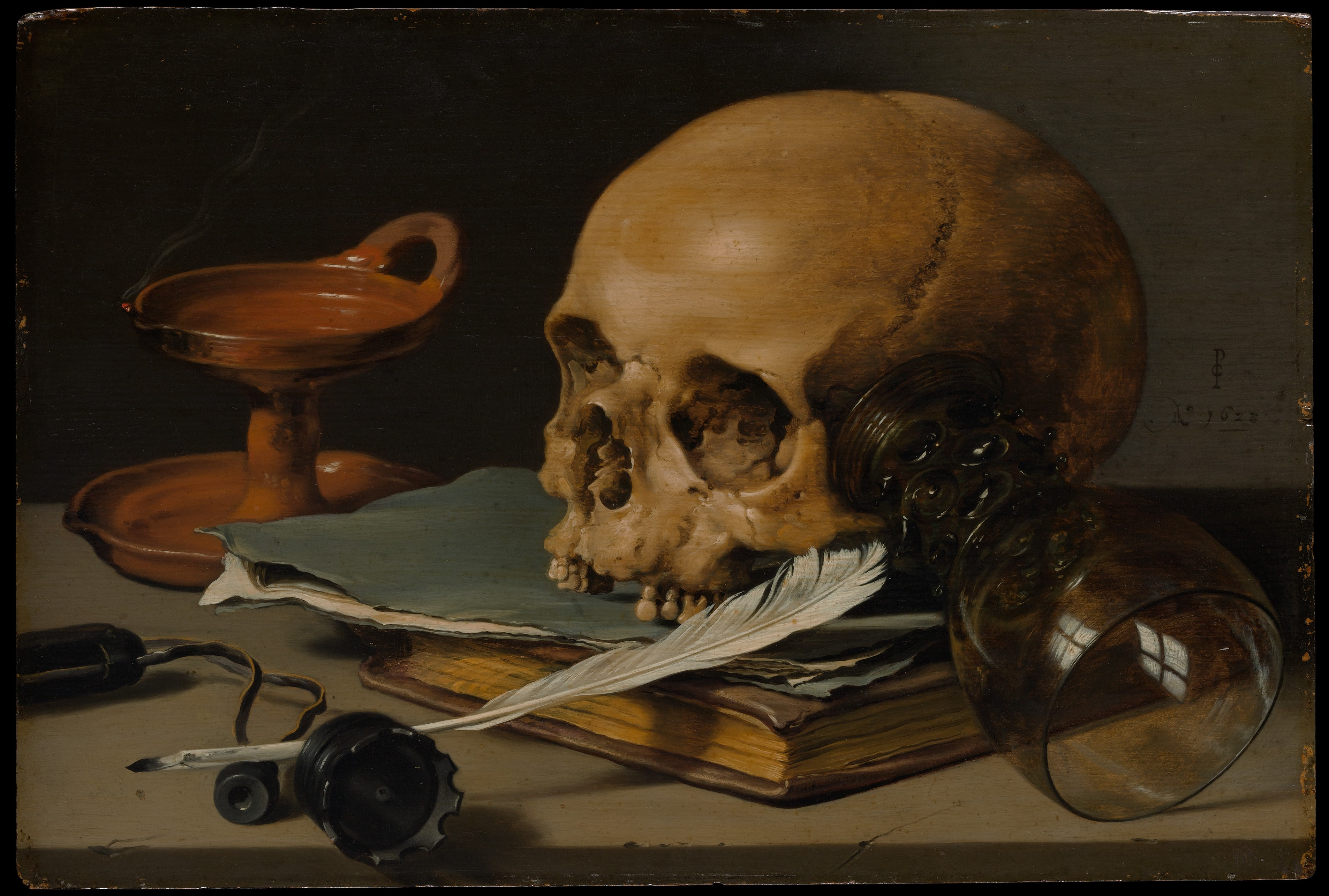
Elephants at Thermopylae

Elephants at Thermopylae, public domain

The pass defended—by elephants.

In 191 BC, Antiochus III of Syria chose Thermopylae—the same pass where Leonidas fought Xerxes—hoping history would favor the Greeks again. This time, his secret weapon wasn't Spartan valor, but armored war elephants rumbling in the front lines.

History repeats, badly.

Roman legions weren't impressed. While Antiochus held the narrow gates, Roman troops slipped through hidden mountain trails and ambushed his army from behind—just as the Persians had done to the Spartans centuries before. The elephants panicked and stampeded, crushing friend and foe.

The last Greek stand on mainland Greece.

Antiochus fled, abandoning gold and banners. The battle wasn’t just a replay—it was a requiem. After Thermopylae, Rome owned the Greek mainland. History came full circle, but nobody cheered.

Antiochus the Great tried to replay the Persian defense at Thermopylae, but Roman discipline—and a secret mountain path—crushed his hopes and ended Greek power in mainland Greece.

Continue reading in the app

Daily fragments of ancient history, designed for your morning routine.

Download for iOS
5.0 on the App Store

Keep reading

Story · Late Republican Rome

Clodia, the Poison Trial, and Cicero’s Spin

In a packed Roman court, Clodia stood accused of poisoning her own lover—while the crowd waited for Cicero to tear her reputation to shreds.

Quote · Imperial Rome

Musonius Rufus on Anger

"He is most powerful who has himself in his own power." — Musonius Rufus, the hard-edged Stoic, taught: «Κρατιστεῖ δ' ἀνὴρ ὁ ἑαυτοῦ κύριος» — "The mightiest man is master of himself."

On This Day · Late Republic and Empire

On This Day: The Ludi Florales Bloom in Rome

April 28: Rome bursts alive with the first day of the Ludi Florales—flower petals, crude comedies, and dancers in nothing but garlands.

Fact · Classical Athens

Athenians Fined for Pooping in Public

In 4th-century BC Athens, you could be fined for letting your donkey—or yourself—relieve itself on a public path.

Fragmenta.

Made with care for history that deserves it.

App Store

Product

How It WorksDaily FragmentsFeaturesToday in HistoryBlogDownload

Legal

Privacy PolicyTerms of ServiceEULASupportPress

Connect

TikTok
© 2026 Fragmenta. All rights reserved.