Fragmenta.
How It WorksPricingTodayBlogESDownload for iOS
ES
Today›Fact
Fact·Ancient Greece·Classical Greece (5th–4th century BCE)

Fireproof Greek Cups

Archaeologists found drinking cups in Athens that survived direct flames—for a reason.
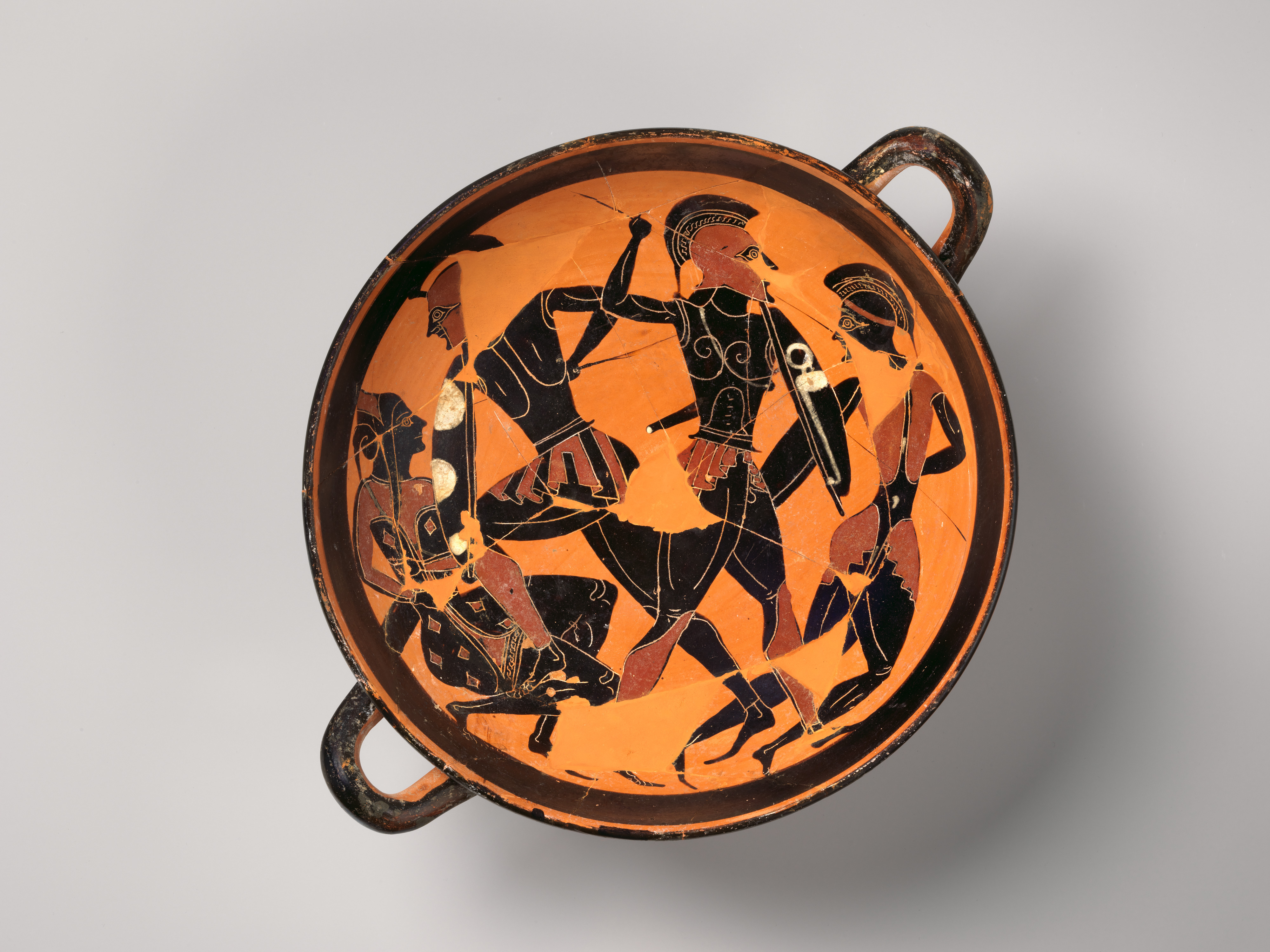
Fireproof Greek Cups

Lydos — "Terracotta kylix: eye-cup (drinking cup)" (ca. 540 BCE), public domain

Greek Cups Withstand the Flame

Buried in the Athenian Agora, archaeologists have found battered, soot-blackened terracotta cups that show clear scorch marks. These weren’t accidents—they were tools. Some Greek vessels were made extra thick and left undecorated specifically to survive the open flame.

Kitchen Tech Before Ovens

These 'baking cups' let cooks stew, bake, or roast food and then serve it straight from the fire. Some recipes in the Greeks’ oldest cookbooks actually call for dishes to be finished in these pots. Thousands of fragments prove these weren’t luxury goods—they were the kitchen workhorses of ordinary Athenians.

Some ancient Greek pottery—'baking cups'—was designed to go directly from fire to table. These vessels tell us Greek kitchens could get as experimental as any modern chef's.

Continue reading in the app

Daily fragments of ancient history, designed for your morning routine.

Download for iOS
5.0 on the App Store

Keep reading

Story · Late Republican Rome

Clodia, the Poison Trial, and Cicero’s Spin

In a packed Roman court, Clodia stood accused of poisoning her own lover—while the crowd waited for Cicero to tear her reputation to shreds.

Quote · Imperial Rome

Musonius Rufus on Anger

"He is most powerful who has himself in his own power." — Musonius Rufus, the hard-edged Stoic, taught: «Κρατιστεῖ δ' ἀνὴρ ὁ ἑαυτοῦ κύριος» — "The mightiest man is master of himself."

On This Day · Late Republic and Empire

On This Day: The Ludi Florales Bloom in Rome

April 28: Rome bursts alive with the first day of the Ludi Florales—flower petals, crude comedies, and dancers in nothing but garlands.

Fact · Classical Athens

Athenians Fined for Pooping in Public

In 4th-century BC Athens, you could be fined for letting your donkey—or yourself—relieve itself on a public path.

Fragmenta.

Made with care for history that deserves it.

App Store

Product

How It WorksDaily FragmentsFeaturesToday in HistoryBlogDownload

Legal

Privacy PolicyTerms of ServiceEULASupportPress

Connect

TikTok
© 2026 Fragmenta. All rights reserved.