Fragmenta.
How It WorksPricingTodayBlog
Download for iOS
Today›Fact
Fact·Ancient Greece·Classical Greece, 5th–4th century BCE

Athenians Kept Pet Tortoises

Athenian homes sometimes had pet tortoises wandering their courtyards.
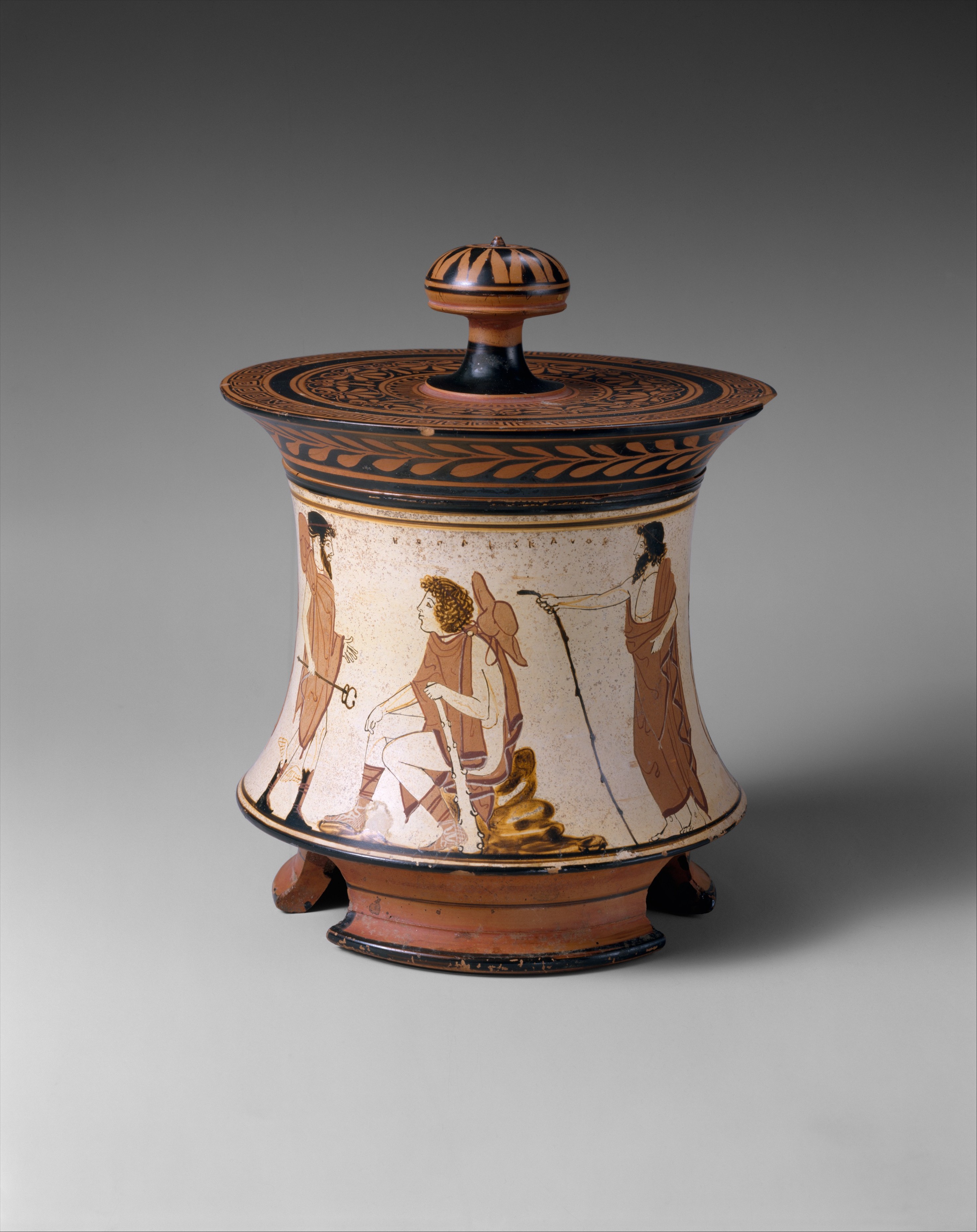
Athenians Kept Pet Tortoises

Penthesilea Painter — "Terracotta pyxis (box)" (ca. 465–460 BCE), public domain

Tortoises in the House

Archaeologists found tortoise shells in ancient Athenian home sites—not cooked, not broken, just left whole. Some even turned up in children’s quarters, mixed with toys and animal bones.

The Pets Nobody Talks About

Tortoises appear in Greek writings as children’s pets—a little shell, daubed in paint, shuffling through the dust. They’re the original low-maintenance housemate, centuries before hamsters or goldfish.

Archaeologists found tortoise bones mixed with household waste in Athenian domestic sites—not butchered, but whole, and in areas suggesting they were kept alive. Literary sources hint at children painting their shells and letting them roam. In an urban world packed with stray dogs and birds, it was the slow, quiet tortoise that wandered at children’s feet.

Three minutes a day.

Fact-checked stories from ancient Greece and Rome, delivered every morning as swipeable cards.

Download for iOS
5.0 on the App Store

Keep reading

Story · Hellenistic Greece

Demetrius, the Besieger, and the Iron Ramp

Siege machines creaked in the night as Demetrius ordered an iron ramp built right over city walls—nowhere in Greece had seen anything like it.

Quote · Late Republic

Cato the Younger on Silence

"I begin to speak only when I am certain what to say is not better left unsaid." — Cato the Younger, the Senate’s last immovable object, measured every word as if it might be his last.

On This Day · Republican and Imperial Rome

On This Day: May 11 Was a Dies Comitialis

May 11: In Rome, today is a dies comitialis—a day when citizens could vote, debate, and change the future in the shadow of the Capitol.

Fact · Classical Athens, 5th–4th century BCE

Athenian Law: The Adulterer’s Radish

Athenians punished male adulterers by shoving a radish up a very personal place. And that was just the start.

Fragmenta.

Made with care for history that deserves it.

App Store

Product

How It WorksDaily FragmentsFeaturesToday in HistoryBlogDownload

Legal

Privacy PolicyTerms of ServiceEULASupportPress

Connect

TikTok
© 2026 Fragmenta. All rights reserved.