Fragmenta.
How It WorksPricingTodayBlog
Download for iOS
Today›Character
Character·Ancient Greece·Archaic Greece, 7th century BCE

Alcman: The Enslaved Poet of Sparta

Before he shaped Spartan song, Alcman was a slave—possibly imported from Lydia, his tongue heavy with a foreign accent.
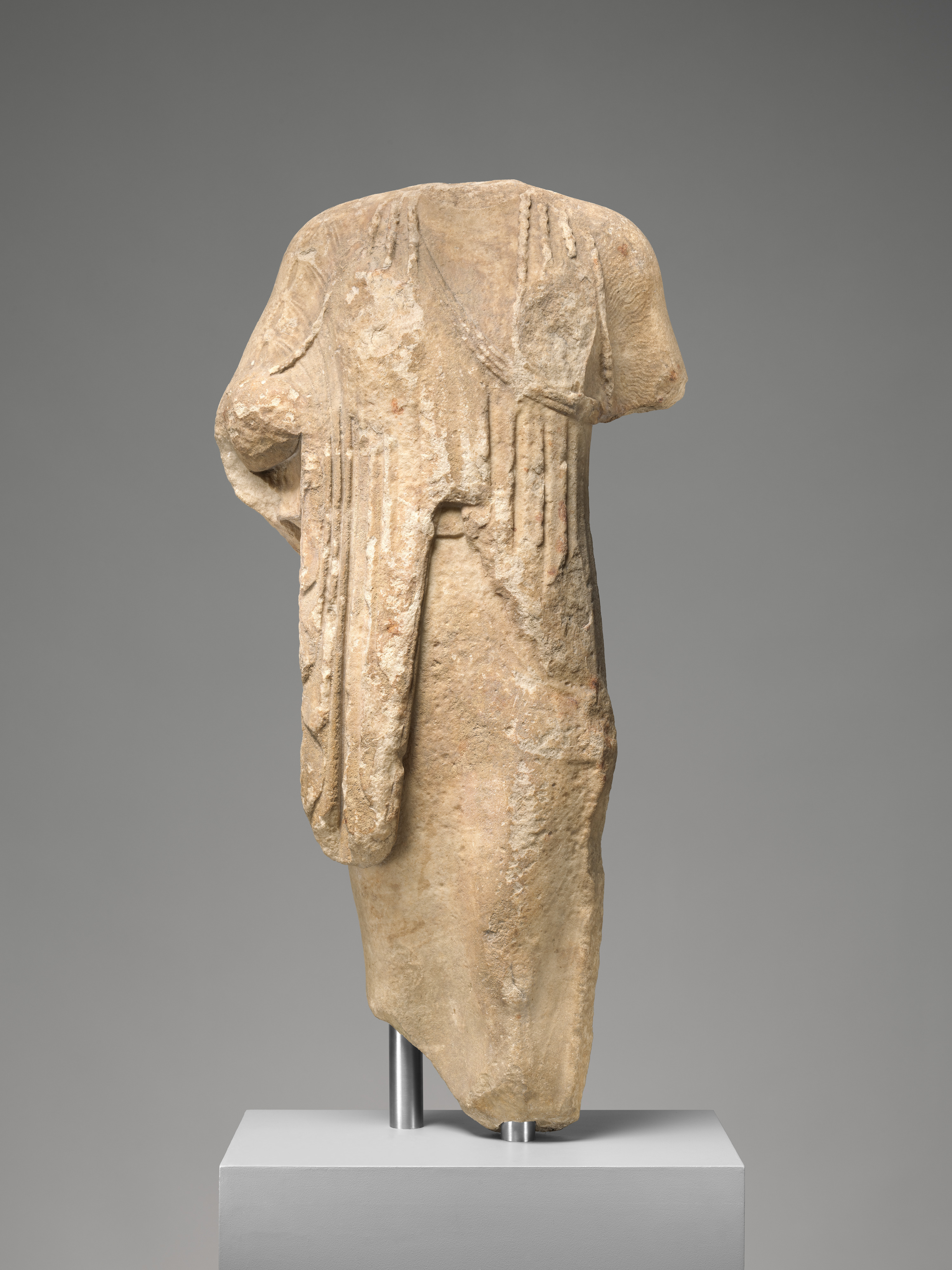
Alcman: The Enslaved Poet of Sparta

Unknown — "Marble statue of a kore (maiden)" (late 6th century BCE), public domain

Enslaved, but the Voice of Sparta

Before anyone called Alcman a poet, he was someone else's property—possibly brought to Sparta as a slave from distant Lydia. His accent marked him as an outsider among the famously insular Spartans.

Lyric Songs in a Warrior City

In a city that punished softness, Alcman composed wild, naturalistic poetry. His songs were performed by choirs of young women at religious festivals—songs about longing, sleep, and the call of birds. His words survive on crumbling papyri, hinting that even Sparta had room for tenderness.

The Hidden Softness of Sparta

Alcman died free—his voice woven into rituals for generations. Beneath the armor, Sparta’s heart beat to the rhythm of poetry and song.

In a city built on silence and discipline, Alcman's lyrics flowed with wild birds, rivers, and longing. His poetry, sung by choruses of Spartan girls, hints at a Sparta less armored—one where beauty isn't just tolerated, it's celebrated in public ritual. Alcman died free, his own voice echoing through a world that usually prized marching in step.

Three minutes a day.

Fact-checked stories from ancient Greece and Rome, delivered every morning as swipeable cards.

Download for iOS
5.0 on the App Store

Keep reading

Quote · Late Republican Rome

Cicero on Friendship and Truth

“A friend is, as it were, a second self.” Cicero, under threat of exile, writes a line that outlasts every office and every war.

Story · Classical Greece

Antigone Buries Her Brother

By torchlight, Antigone dared to sprinkle dust over her brother’s corpse—knowing it meant death.

On This Day · Classical Athens

On This Day: Athens Watches the Grain Ripen

Early May: The wheat fields outside Athens shimmer gold—almost ready for harvest, and everyone is watching the sky.

Fact · Late Republic and Early Empire

Roman Women Could Divorce Their Husbands

If a Roman matron wanted out of her marriage, she could pack her bags, walk out the door, and file for divorce—no trial, no drama, no husband’s permission needed.

Fragmenta.

Made with care for history that deserves it.

App Store

Product

How It WorksDaily FragmentsFeaturesToday in HistoryBlogDownload

Legal

Privacy PolicyTerms of ServiceEULASupportPress

Connect

TikTok
© 2026 Fragmenta. All rights reserved.