
Agrippina the Younger: Power in Purple
She rode through Rome in a gilded carriage—her son at her side, the Senate forced to bow as she passed.
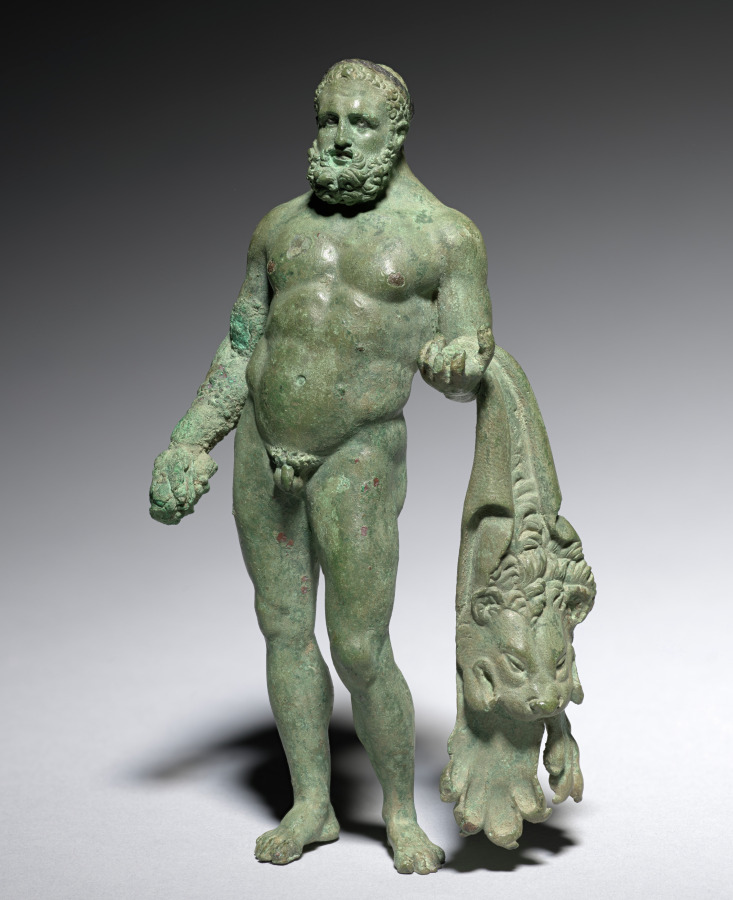
Unknown — "Hercules" (c. 30 BCE–20 CE), CC0
Roman Empire’s Most Dangerous Mother
She rides through the Forum, golden carriage rolling slow, her son Nero beside her. The crowd watches, but it’s the Senate that flinches—forced to acknowledge a woman who refuses to stay behind the curtain.
A New Kind of Power
Agrippina the Younger is no silent empress. She gets her face stamped onto coins, sits in on Senate meetings, and arranges her rivals’ downfalls personally. To many Romans, her dominance is thrilling— and terrifying.
Legacy Written in Blood and Marble
Her gamble succeeds, but at a cost. Nero turns on his mother, and Agrippina dies, murdered by her own son’s order. Rome remembers her as poison and as pioneer—proof of how far a woman could reach if she dared.
Agrippina turns motherhood into a weapon. She leverages dynasty, rumor, and spectacle to get her son Nero crowned—even carving her image onto imperial coins, as if Rome itself was ruled by a mother and child. No Roman woman before her dared to step so publicly into the emperor’s shadow.
