
Zenobia, Queen of Palmyra
A desert queen claims Egypt, marches her armies east and west, and dares to call herself both Augusta and Pharaoh.
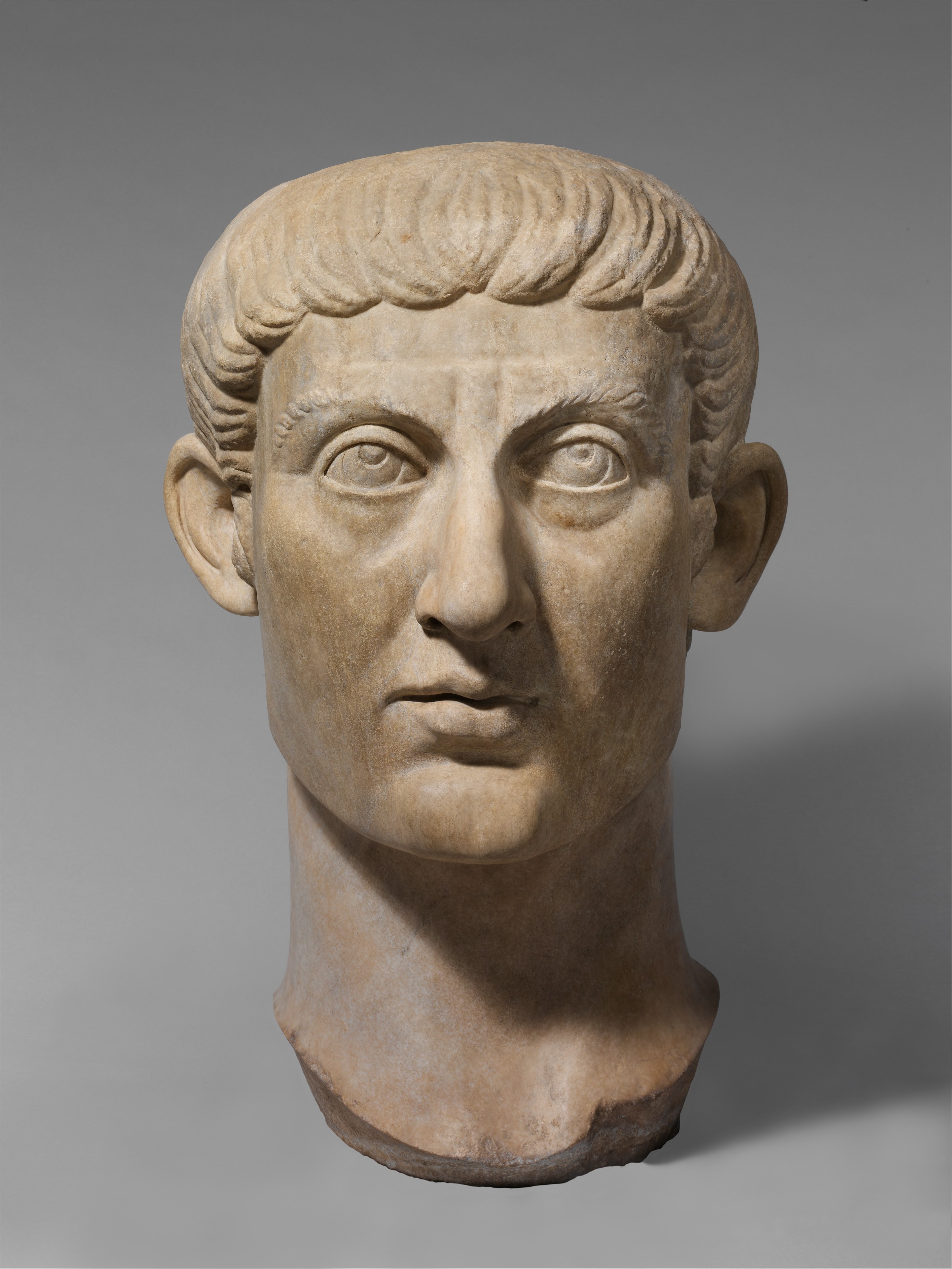
Unknown — "Marble portrait head of the Emperor Constantine I" (ca. 325–370 CE), public domain
Desert Queen Who Dared Rome
Zenobia rides at the head of an armored column, gold and jewels flashing in the Syrian sun. She issues coins in her own name. Her armies seize Egypt, defying the world’s greatest power—and for a moment, Rome isn’t sure who rules the east.
City on the Silk Road, Empire at the Edge
Palmyra, an oasis of wealth and trade, stood between Rome and Persia. Zenobia, claiming descent from Cleopatra and Dido, ruled not as a puppet but as a monarch in her own right. She declared her son emperor, bestrode two worlds, and called herself Augusta and Pharaoh—provoking an empire in crisis.
Defeat—and Enduring Legend
When Aurelian smashes her rebellion, Zenobia is paraded through Rome in golden chains. Yet her legend endures—eastern queen, scholar, and almost-empress. Today, she’s a symbol of ambition leaping free of geography.
Zenobia’s audacity nearly split the Roman Empire—her rise and fall show how power can erupt from the margins.
