
The Aediles and the Fire of Subura
Night falls on Rome, but the Subura burns—flames racing up wooden balconies as panicked aediles drag buckets through winding alleys.
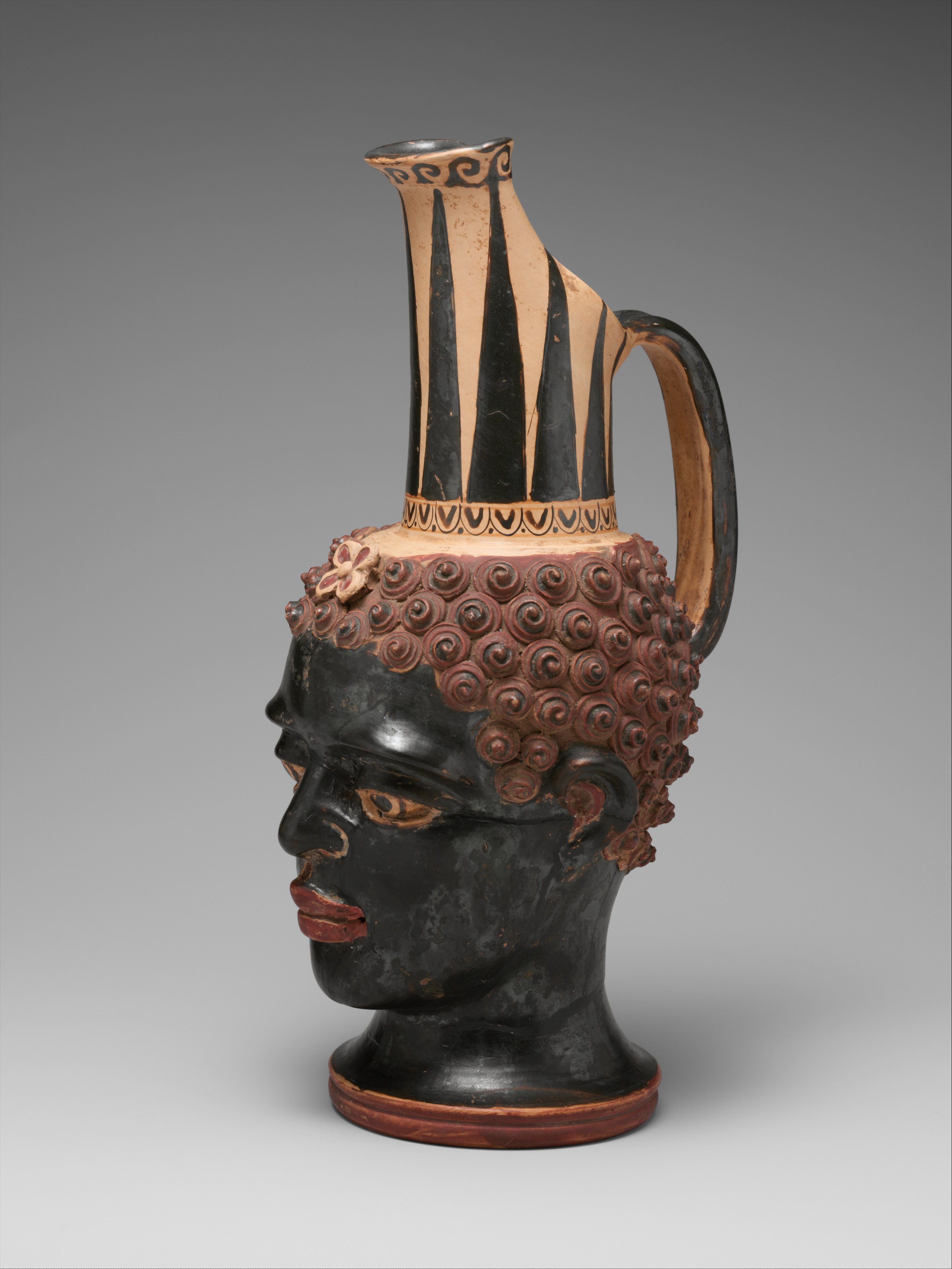
Negro Boy Group — "Terracotta vase in the form of a Black African youth's head" (4th century BCE), public domain
Rome’s most dangerous neighborhood.
The Subura, a warren of shops, brothels, and rickety apartments, was more flammable than a tinderbox. Fire swept through its wooden balconies and crowded streets, sometimes leaping whole city blocks in minutes. At night, chaos reigned—shouts, smoke, and the sharp crack of collapsing timber.
Aediles run for their lives—and yours.
With no professional fire brigade, city officials called aediles raced through the alleyways with slaves, ladders, and buckets. They organized bucket lines, broke down doors, and sometimes risked roofs caving in to pull families out of burning buildings. But not everyone was a hero—some took the chance to loot or settle scores amidst the confusion.
Fire shapes an empire.
These fires weren’t rare. In fact, constant threat changed how Rome was built, policed, even governed. Augustus finally created the Vigiles, a night watch armed with axes and water buckets. Until then, every fire was a roll of the dice—one spark away from consuming the world’s greatest city.
With no fire brigade and a city built of timber and dreams, Roman officials risked their lives in the chaos—sometimes rescuing the living, sometimes looting the dead.
