
Xerxes: The King Who Whipped the Sea
Xerxes watched as a storm wrecked his pontoon bridges—then ordered his men to lash the Hellespont with whips, screaming at the water as if it were an enemy general.
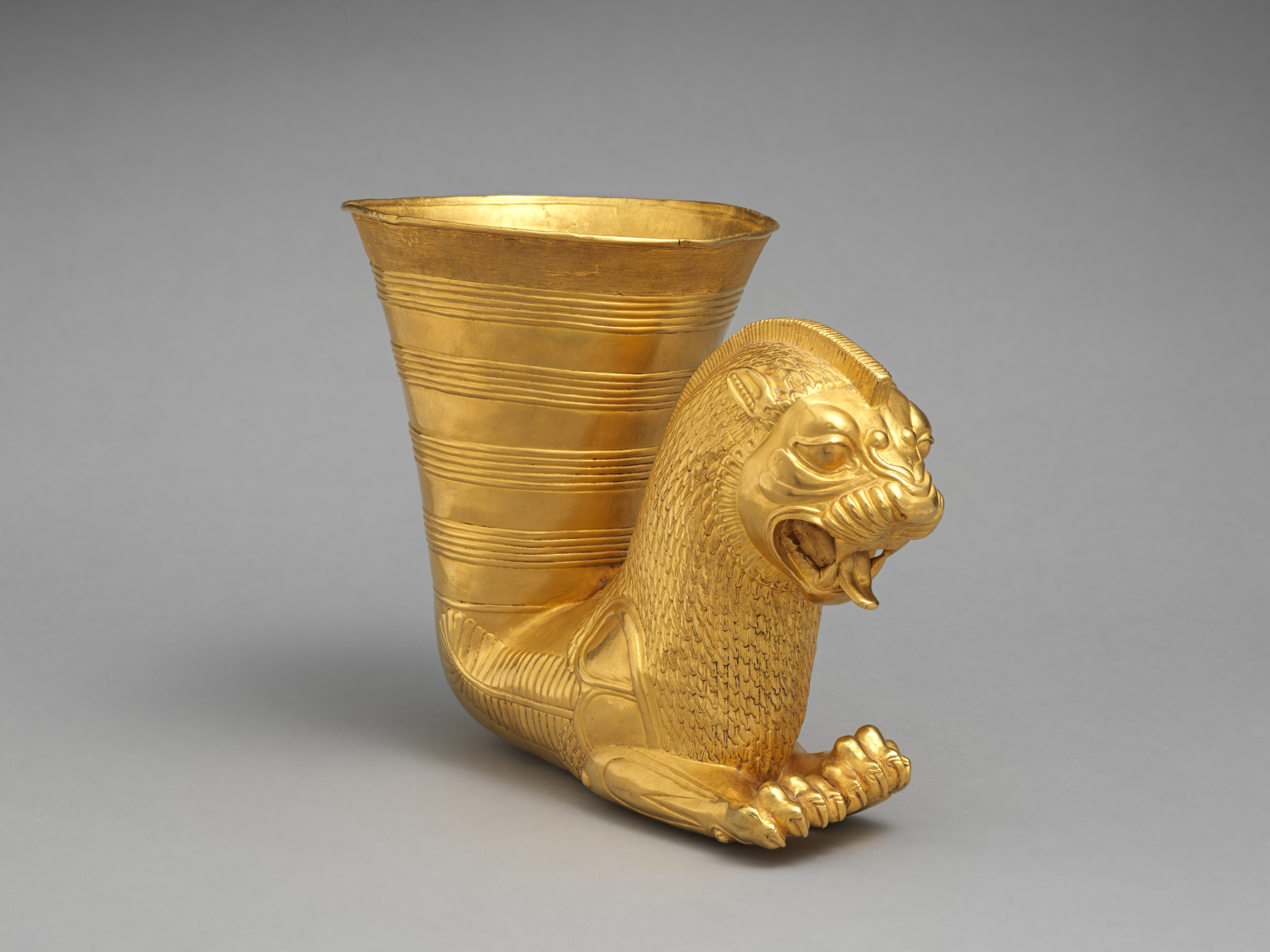
Unknown — "Vessel terminating in the forepart of a fantastic leonine creature" (ca. 5th century BCE), public domain
The King Who Whipped the Sea
Xerxes watched as a storm tore apart his floating bridges at the Hellespont. Enraged, he ordered his men to lash the water with whips—three hundred lashes—and throw shackles into the waves. Xerxes treated the sea like a rebellious subject.
Crossing to Conquer Greece
In 480 BCE, Xerxes assembled the greatest army the world had yet seen. His engineers stitched together boats into mile-long bridges, letting tens of thousands cross from Asia into Europe. When wind and water destroyed his work, the king blamed the elements—not his plans.
Master of Men, Helpless Before Nature
Herodotus delights in the irony. Xerxes could command an empire, but not the wind or the waves. The Hellespont did not bow—and it never would.
A Persian Great King, master of half the known world, raged helplessly against the wind and waves. His engineers had built mile-long bridges so his army could stride into Greece on dry feet. When nature smashed his ambitions, he didn't adapt—he punished the sea, casting chains into the strait and commanding his men to shout curses as they whipped the surf. For Xerxes, the world was supposed to bend.
