
On This Day: Virgil Dies in Brundisium
September 19, 19 BCE: Virgil—the man who gave Rome its epic—dies on the southern coast. His last wish? Burn the Aeneid.
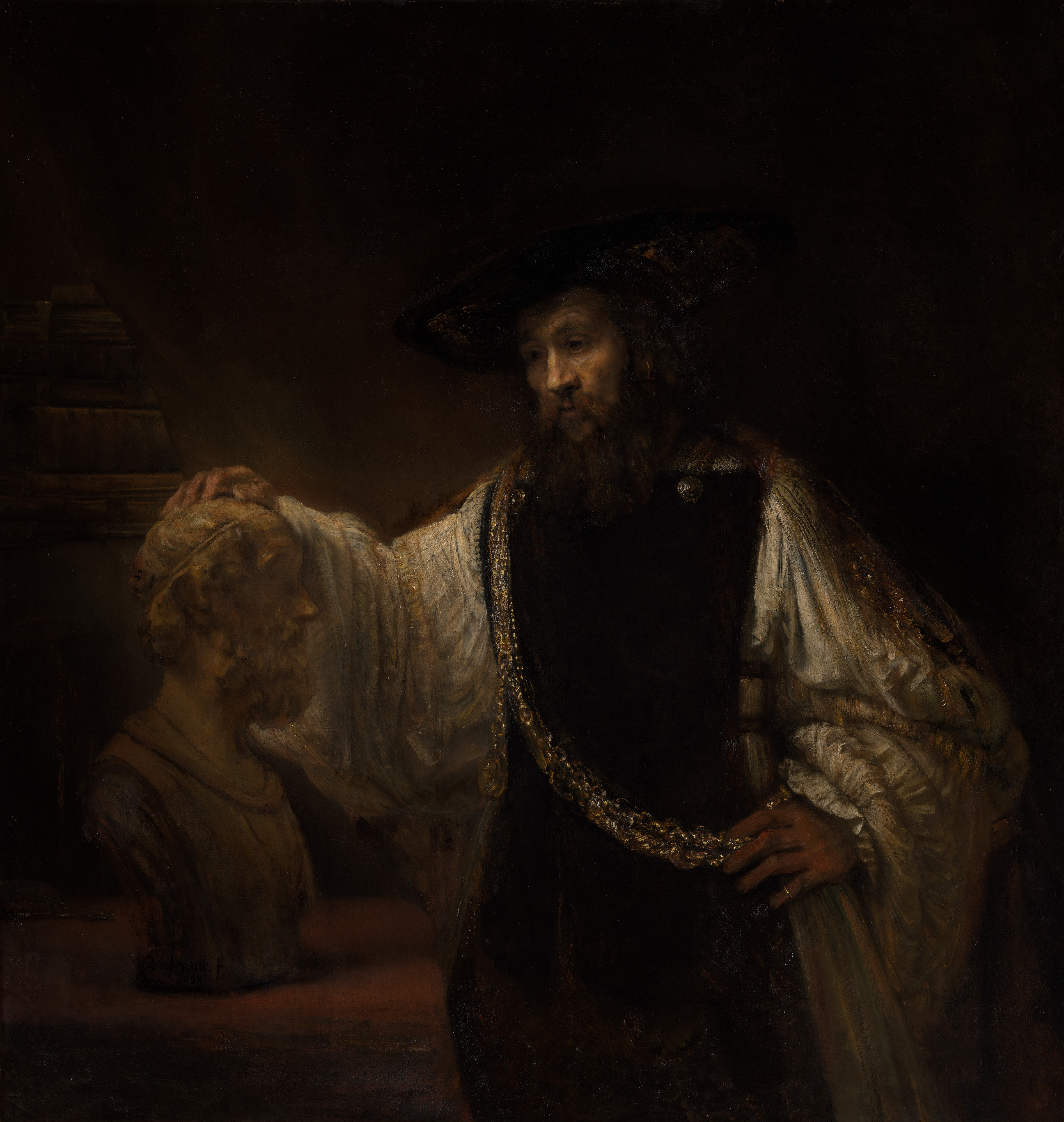
Rembrandt (Rembrandt van Rijn) — "Aristotle with a Bust of Homer" (1653), public domain
A poet’s dying wish denied.
On September 19, 19 BCE, the poet Virgil dies in the harbor town of Brundisium after returning from Greece. Wracked by illness, he begs his friends to burn the unfinished Aeneid—the epic meant to be Rome’s answer to Homer.
Augustus refuses to let it burn.
Augustus steps in, ignores Virgil’s plea, and orders the poem published. The Aeneid becomes Rome’s national epic—a story every Roman could cling to, word for word.
Immortality, despite himself.
Virgil’s hope for quiet anonymity vanished. Instead, his verses echoed in Roman classrooms and imperial palaces for centuries. Sometimes, the work outlives its maker—whether they want it to or not.
Virgil’s death was the end of an era for Roman literature. His unfinished Aeneid would survive only because Augustus refused to let his masterpiece perish with him.
