
The Trojan Horse Wasn't a Giant Wooden Horse
We picture a mammoth wooden horse trundling through Troy’s gates, soldiers hidden inside. Turns out, the original story may not have involved a horse—or even wood.
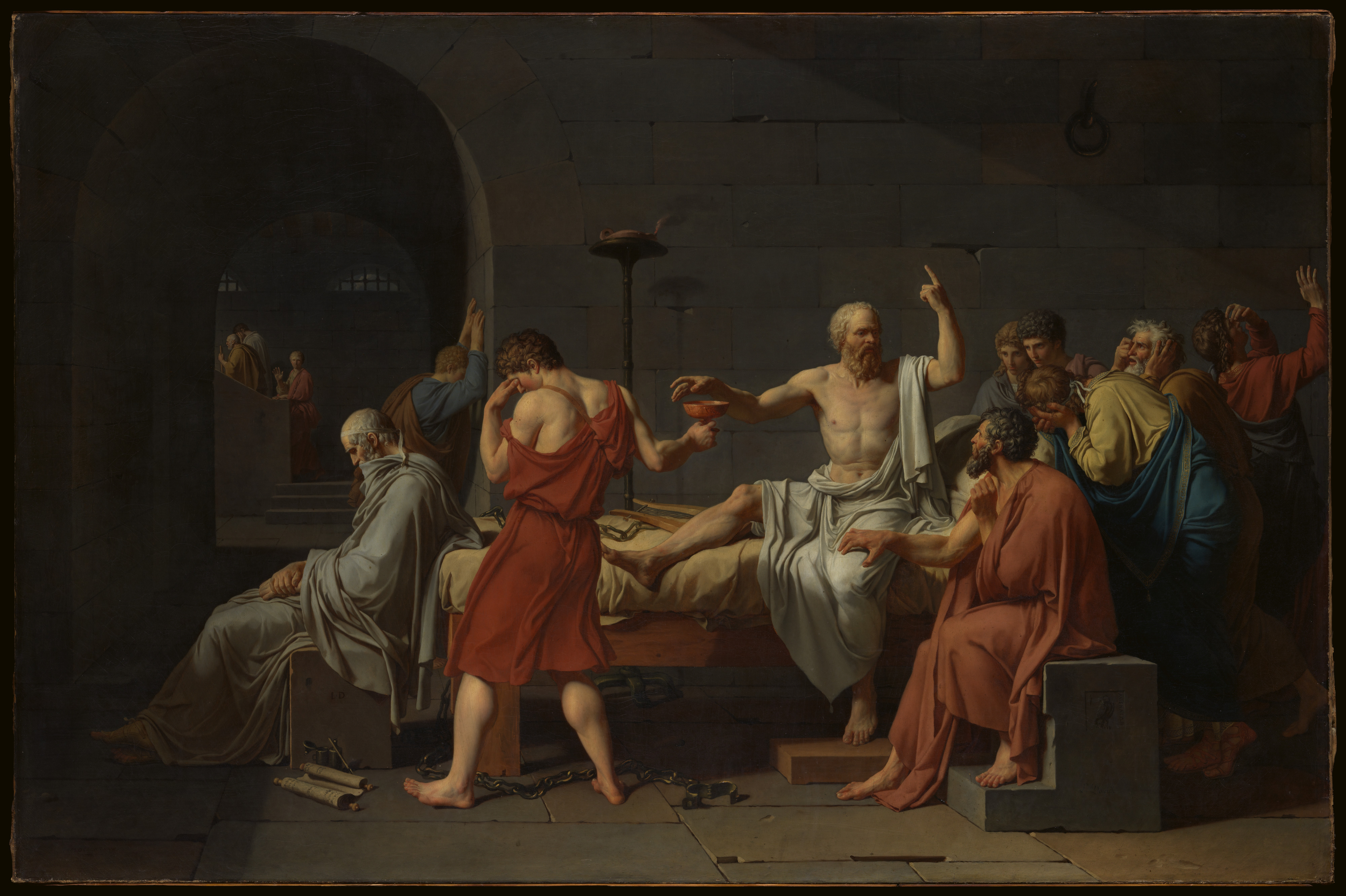
Jacques Louis David — "The Death of Socrates" (1787), public domain
A giant horse on wheels?
Ask most people about the end of Troy and you'll hear it: Greek warriors hidden inside an enormous wooden horse, rolled through the city gates. The Trojans celebrate, tragedy strikes—Hollywood loves it. But this image is nowhere in the earliest accounts.
An epic case of 'telephone.'
Homer’s 'Iliad' never mentions a horse; the story appears in later works like the 'Odyssey' and even then with few details. Some ancient writers suggest the 'horse' was code for a battering ram or even a Greek ship (which sometimes bore horse-head prows). Archaeological digs at Troy? No sign of any horse-shaped structure. The truth is murkier—and far more creative—than the legend.
Blame Virgil—and Renaissance painters.
Virgil’s 'Aeneid' gave us the iconic wooden statue. The image stuck thanks to Roman poets and, centuries later, artists who loved the drama of a literal horse. The symbol outlived the facts—as history so often does.
Homer never describes a giant wooden statue in the 'Iliad.' Early traditions suggest the 'horse' could be a metaphor for a siege engine or a ship, and archaeology finds no sign of horse-shaped structures at Troy.
