
Earliest Fire Insurance: Roman Collegia
Before you could call your insurance agent, Romans joined clubs that promised help if your house burned down.
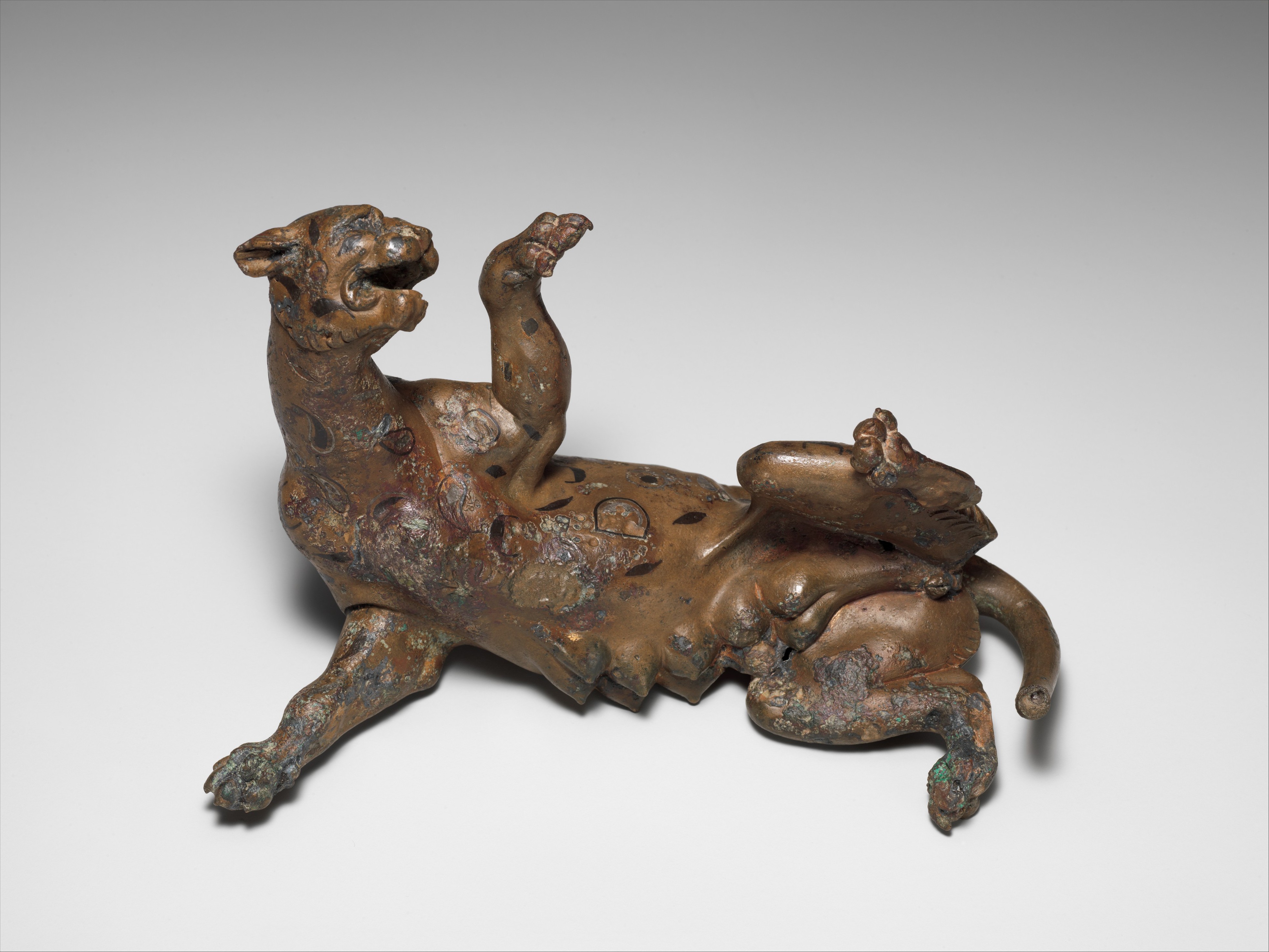
Unknown — "Bronze statuette of a pantheress" (1st–2nd century CE), public domain
Roman Neighborhood Clubs Against Fire
Long before fire departments, Roman city life meant real danger. So neighbors joined collegia—insurance clubs where members paid dues. If a fire broke out, the club paid for repairs or even provided emergency shelter.
Pooling Risk, Not Just Wine
Some collegia operated much like mutual insurance: records show fixed payments made to families after disasters, funerals, or house collapses. These weren't charities. They were formal, contract-bound groups—one burned roof away from ancient risk management.
Archaeologists have found evidence of collegia—neighborhood associations in ancient Rome—that acted like early fire insurance pools, pooling members' money for emergencies like fires or funerals. Some even paid out set amounts to families after disasters, centuries before modern insurance.
