
Tiberius Gracchus and the Sacred Law
A Roman tribune grabs the city’s most sacred altar—not to pray, but to save his own life.
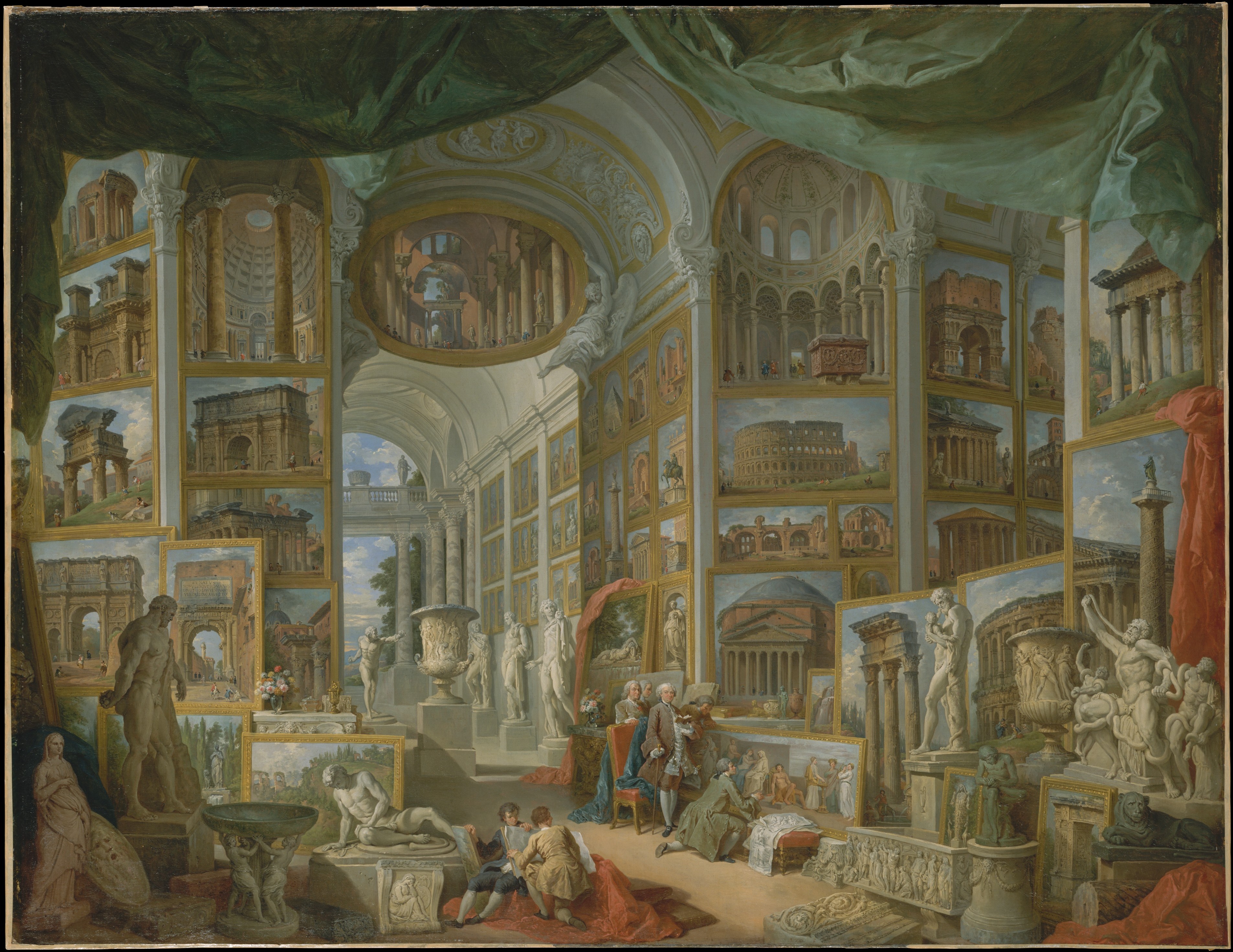
Panini — "Ancient Rome" (1757), public domain
The Tribune Runs for the Altar
In 133 BC, Tiberius Gracchus faced a furious mob in the Senate. Accused of tyranny for trying to redistribute land, he sprinted to the Capitoline Hill and seized the city’s most sacred altar. Even his enemies hesitated—no one wanted to spill blood there.
Sanctuary Doesn’t Last
It wasn’t enough. Senatorial allies stormed the altar, clubbed Tiberius to death with wooden chairs, and tossed his body into the Tiber. Rome had laws about murder and religion—but rage swept them both aside.
A Crack in the Republic
The murder of a tribune on holy ground shocked every Roman. Decades later, the Republic itself would collapse in violence. This was the first open wound.
Cornered by his enemies, Tiberius Gracchus used religion as a last shield—then died for breaking Rome’s unwritten rules.
