
Tiberius Gracchus and the Law That Broke Rome
He stood on the Capitol steps, daring the Senate to stop him—and they did, with clubs.
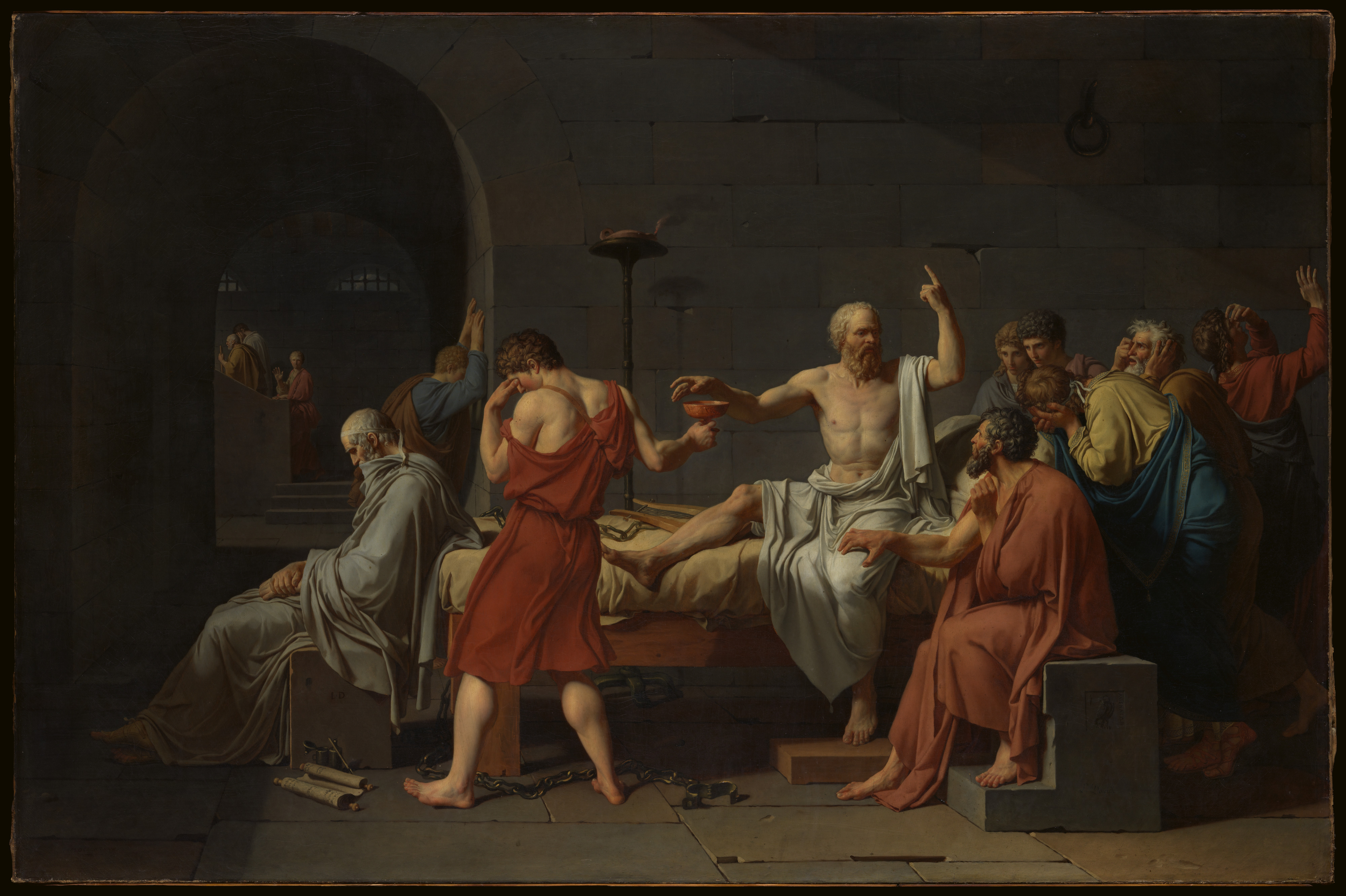
Jacques Louis David — "The Death of Socrates" (1787), public domain
A Tribune Crosses the Line
Tiberius Gracchus defied every rule by standing before the Roman people and proposing radical land reforms—redistributing land from Rome’s wealthiest to the poor. He bypassed the Senate, a sacred taboo. Senators, furious, saw not a reformer but a revolutionary.
The Republic Splinters
In 133 BCE, with mobs gathered outside, Tiberius pushed his law through by brute political force. His enemies retaliated—beating him to death in public, the first major political bloodshed in Rome for centuries. Gracchus gambled on the people; the Senate answered with violence.
The Precedent No One Wanted
After Gracchus, Rome could never return to business as usual. Every ambitious politician remembered the land law—and the violence. Civil bloodshed became a tool of politics. The old Republic, Tiberius’s real casualty, was left scarred.
Tiberius Gracchus forced Rome to face its land crisis, risking his life to put a reform before the people—breaking ancient traditions, and starting a chain reaction of violence that haunted the Republic for generations.
