
Themistocles and the Silver Trick
Themistocles convinced Athens to build warships—not walls—using a lucky strike of silver.
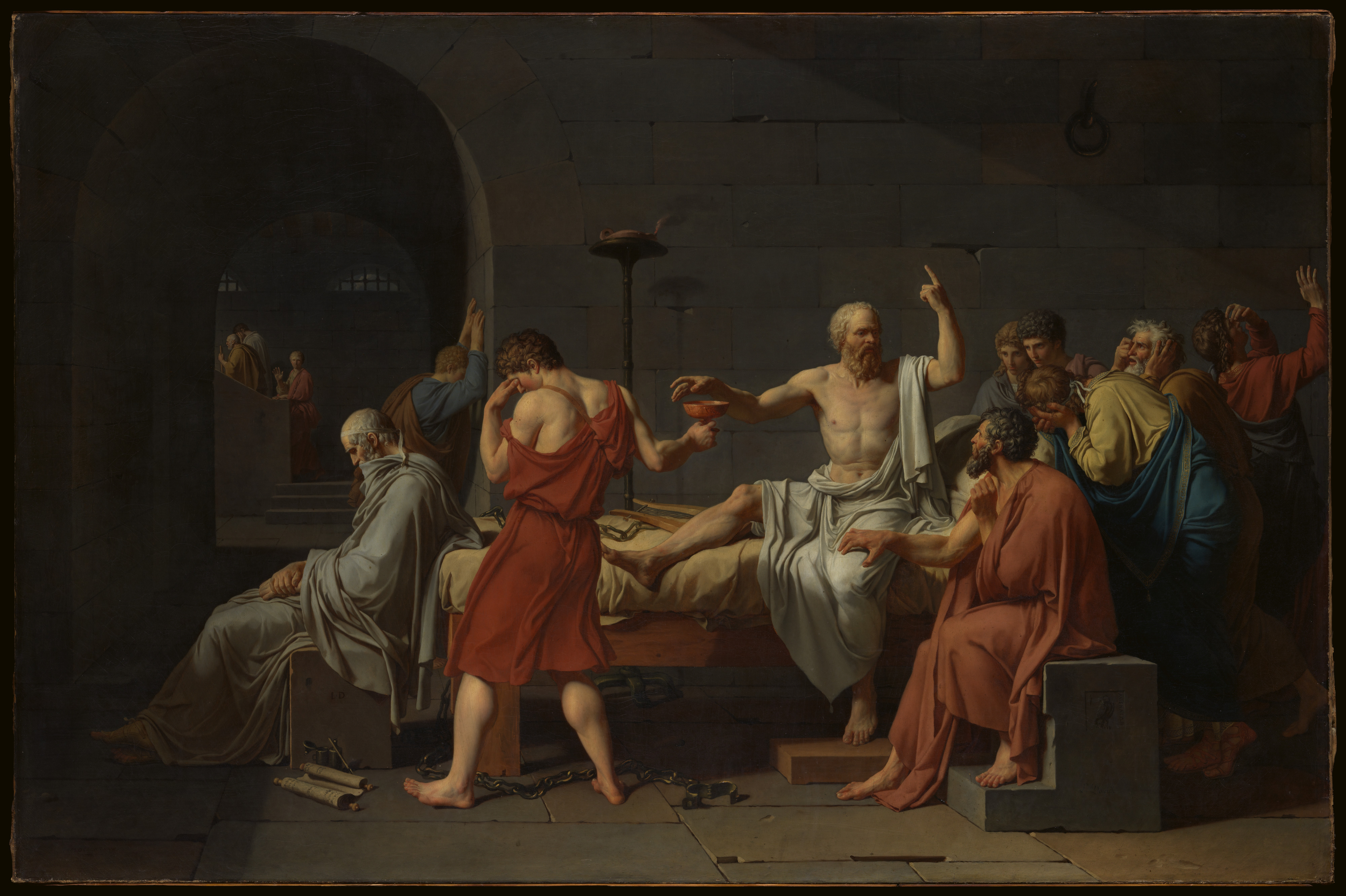
David — "The Death of Socrates" (1787), public domain
Athens Strikes Silver.
In 483 BC, miners at Laurion hit a rich vein of silver. The city debated what to do—spend it on public handouts or build something lasting. Most Athenians wanted the cash. Themistocles, watching Persian armies loom across the Aegean, had other plans.
Ships Instead of Walls.
Themistocles persuaded the assembly to use the silver to build a fleet—two hundred warships, fast and deadly. He argued that wooden walls would save Athens better than stone. When Persia invaded, it was these ships that turned the tide at Salamis, not any wall.
Gamble That Forged an Empire.
The fleet didn’t just keep Athens alive. It created a sea power that bullied its rivals, carved out an empire, and let democracy survive. One political gamble, one vote in the assembly, and the world’s balance shifted—for centuries.
Instead of pocketing sudden wealth, Themistocles gambled on naval power, setting Athens on a collision course with Persia—and changing the future of democracy.
