
Roman Dental Bridges: Gold Wire and False Teeth
A Roman skeleton grins from a grave—two real teeth lashed together with gold wire, holding a carved replacement tight.
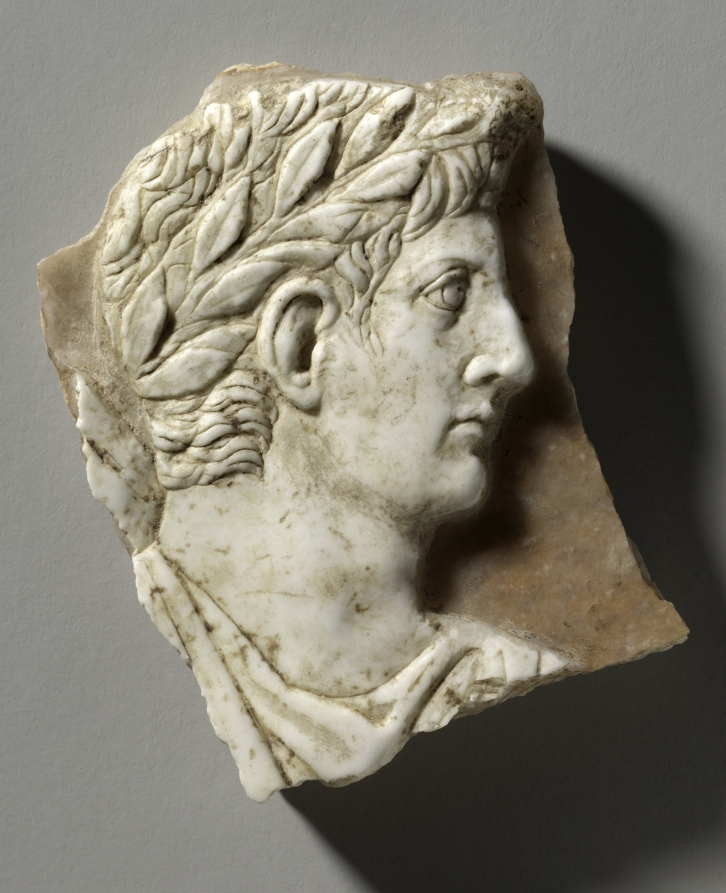
Unknown — "Cameo: Julio-Claudian Imperial Portrait" (30 BCE–54 CE), CC0
Ancient Gold-Wired Teeth
A Roman skeleton grins from a grave—two real teeth lashed together with gold wire, holding a carved replacement tight. This isn't modern dentistry. It's a 2,000-year-old mouth hack, built to last far beyond the grave.
False Teeth, Roman-Style
Romans pioneered dental prosthetics centuries before drills and fillings. Archaeologists have uncovered skulls with replacement teeth made of bone or ivory, secured with thin gold wire. Some skeletons from Imperial tombs in Italy show dental bridges that kept up a respectable smile even in death.
Romans pioneered dental prosthetics centuries before modern dentistry. Archaeologists have uncovered skulls with teeth replaced by bone, ivory, and gold wire—an ancient dental bridge, literally wired into place. The best evidence comes from Imperial tombs in Italy, where the dead sometimes kept their smile even after death.
