
Themistocles and the Ostrakon Trick
Themistocles suspected the crowd wanted him gone—so he pre-wrote his own exile.
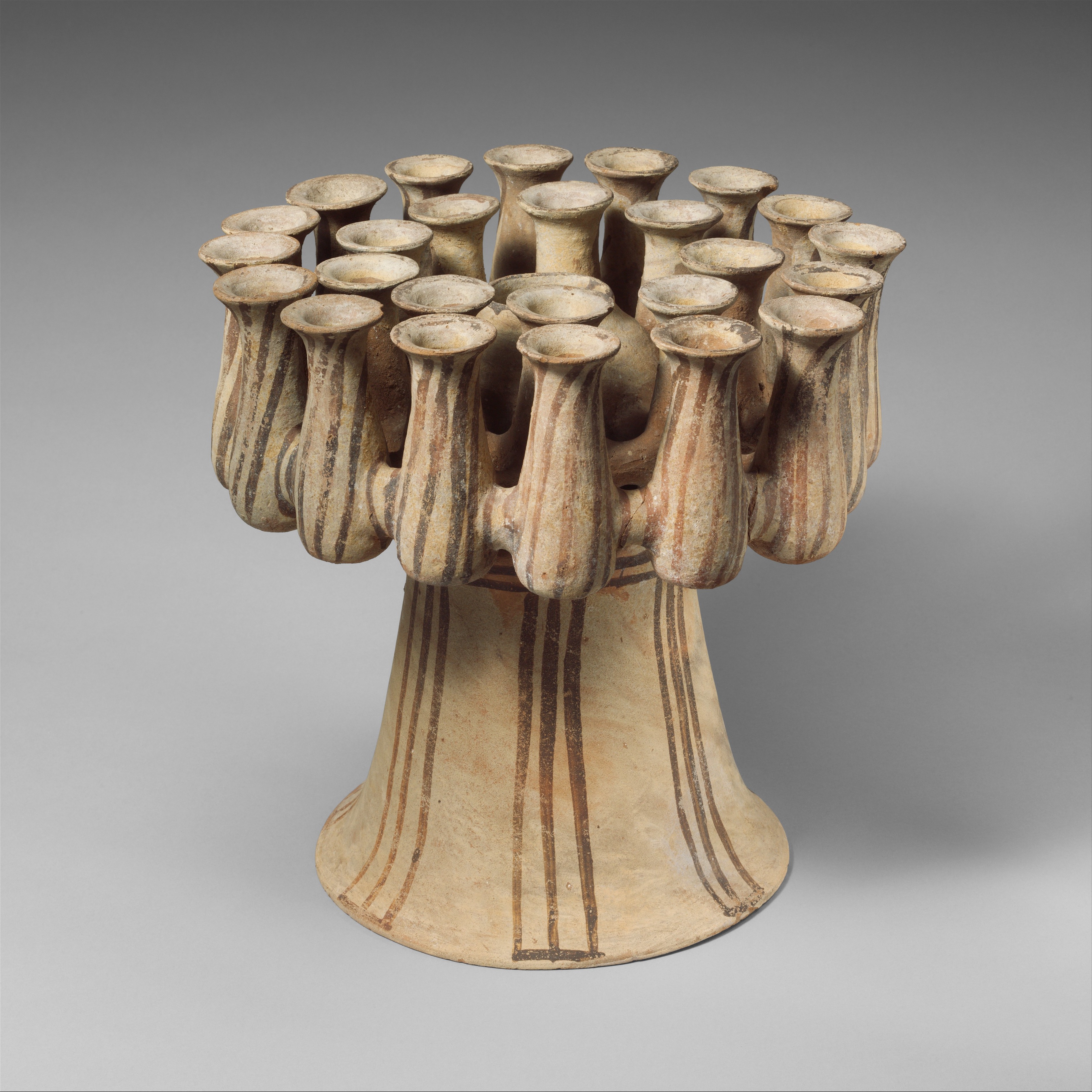
Unknown — "Terracotta kernos (vase for multiple offerings)" (ca. 2300–1900 BCE), public domain
A leader on borrowed time.
Every year in Athens, citizens scratched disliked names onto pottery shards, ostraka, to exile potential threats. Themistocles—hero of Salamis—knew he’d made powerful enemies. Facing an uneasy crowd, he filled his cloak with ostraka marked with his own name and distributed them to illiterate voters.
A vote, rigged with resignation.
According to Plutarch, Themistocles wasn’t just accepting his fate—he was shaping it. By pre-writing his own name, he made sure the vote was decisive and denied his rivals a closer, more humiliating contest.
Better to choose your own scapegoat.
He walked into exile with his dignity intact, playing the game with as much cunning in defeat as he had in victory. In Athens, even banishment could be outmaneuvered—if you wrote the story yourself.
To outfox his enemies in a public vote, Themistocles handed out pottery shards marked with his own name—steering the fate of his own ostracism.
