
Themistocles: Master of Double-Edges
In the shadowy hours before Salamis, Themistocles sends a “secret” message to Xerxes—inviting the Persians to attack his own city’s fleet.
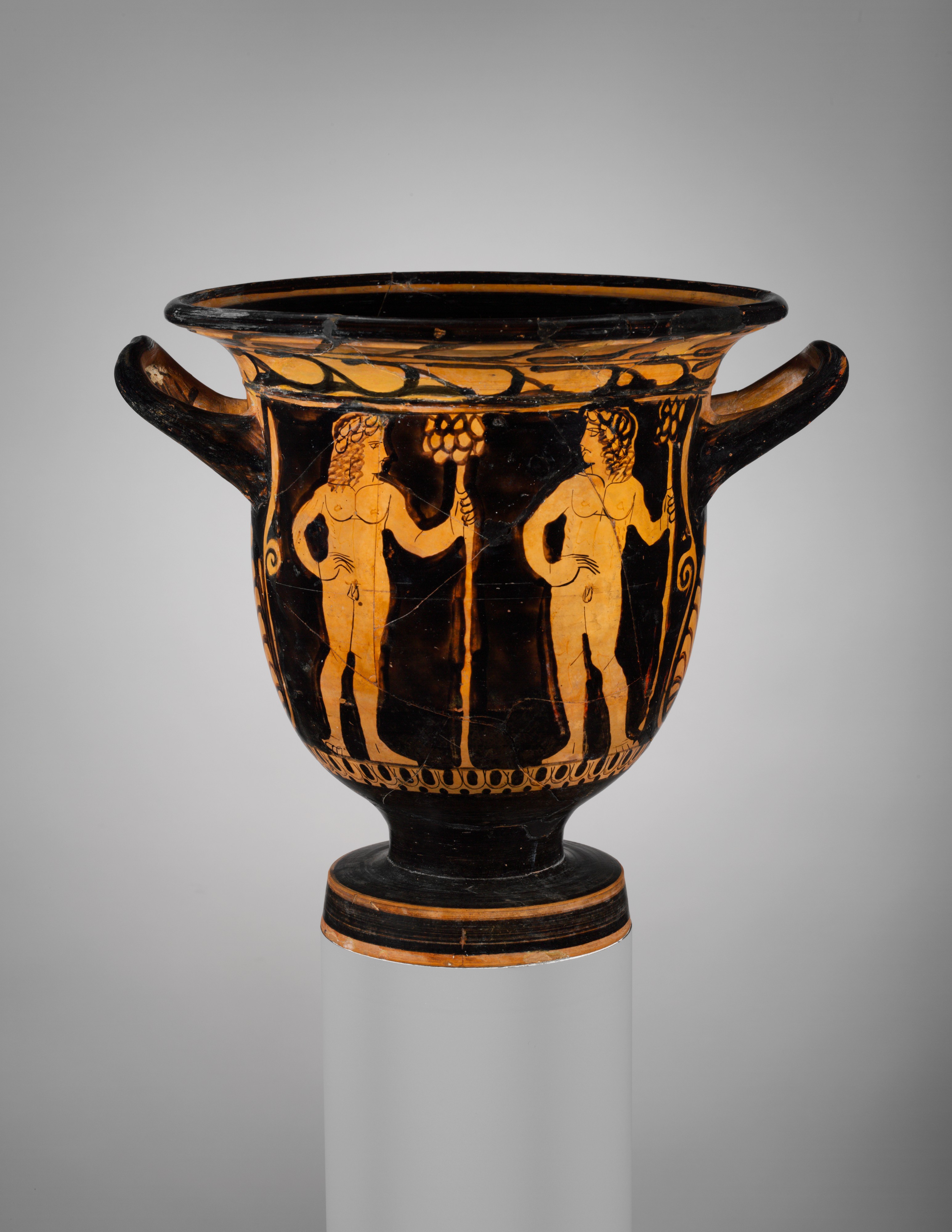
Unknown — "Terracotta bell-krater (bowl for mixing wine and water)" (late 5th century BCE), public domain
A General Sends a “Secret” to the Enemy
Night before the Battle of Salamis, Themistocles quietly dispatches a messenger to Xerxes' camp. The message: the Greeks are divided, desperate, and planning to flee—now is the moment to strike. But the real plan is buried under layers of deceit.
Greece’s Fate in the Straits
Athens teeters on the brink. Persian ships choke the sea. Themistocles gambles everything, forcing the fight into waters so cramped Persian numbers count for nothing. In Plutarch’s account, his double game outfoxes a king and saves democracy—for now.
The Price of Outsmarting the World
Themistocles wins the war, but Athens grows uneasy. Too clever, too ambitious—his own city exiles him. He dies, years later, honored by his former enemies. Sometimes, salvation tastes like exile.
Themistocles’ whispered treachery was not betrayal but a gambler’s play—luring Persia into the narrow straits where Athens’ small ships could outmaneuver giants.
