
The Dog That Saved Rome
At midnight, as Gauls crept up the cliffs of Rome’s last hill, only a pack of sacred geese and a single barking dog sounded the alarm.
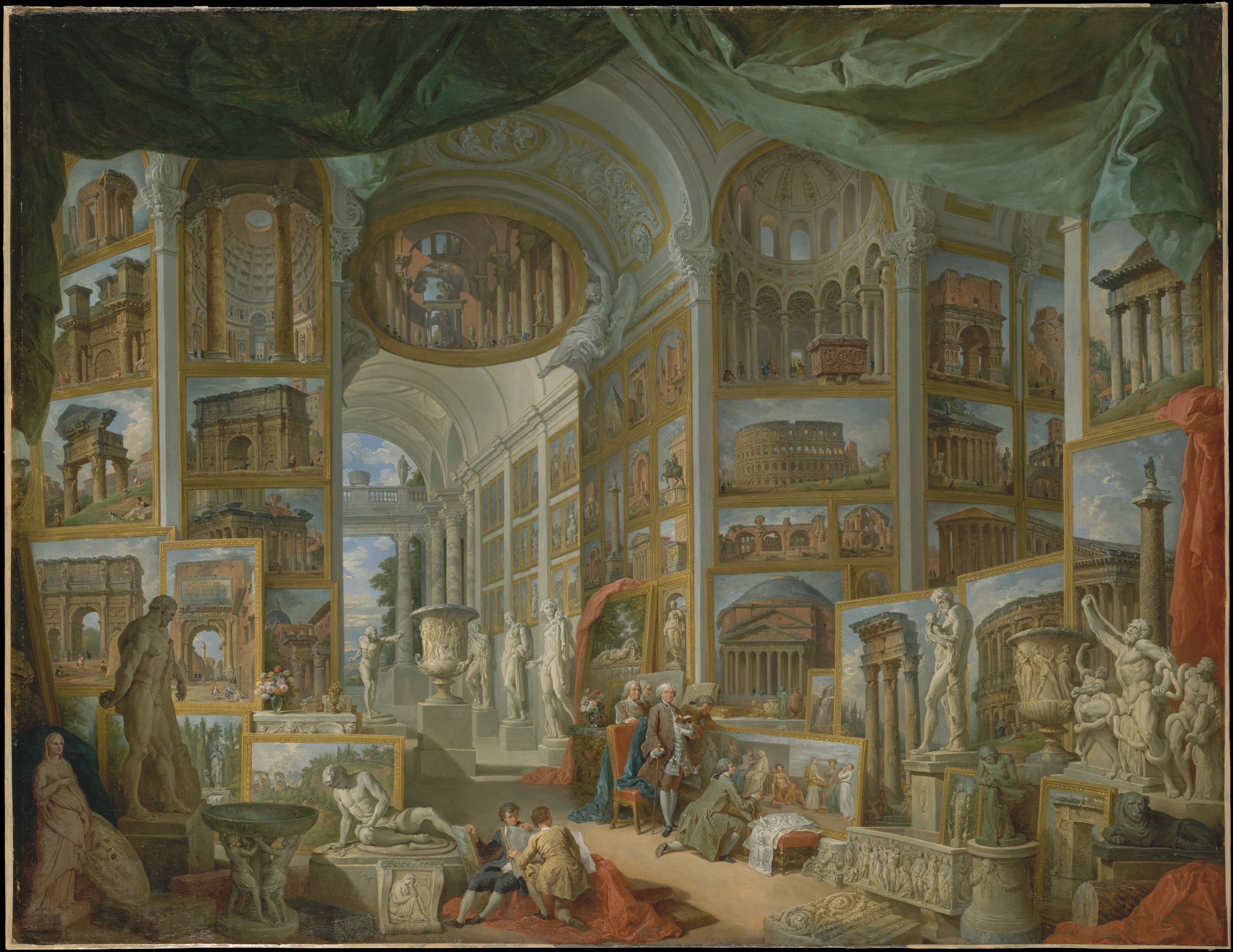
Panini — "Ancient Rome" (1757), public domain
The Gauls climb by moonlight.
In 390 BC, after crushing the Roman army, Brennus and his Gauls besieged the survivors on the Capitoline Hill. One moonless night, Gallic warriors scaled the steepest side, knowing the guards there were least alert.
Dogs, geese, and disaster averted.
As the Gauls reached the summit, all was silent—except for the sacred geese of Juno, who honked wildly, and a single watchdog, whose barking roused Marcus Manlius, a Roman commander. Manlius rushed out, sword flashing in the dark, and single-handedly hurled the invaders down the cliff.
Rome survives by a feather.
The city was saved, not by discipline or might, but by the noise of geese and a dog that refused to sleep. Rome would lose cities and armies, but never forgot the night when fate teetered on a bark and a squawk.
Rome’s fate once hung on a barking watchdog while its guards slept—proof that history can pivot on the tiniest chance.
