
Themistocles Tricks Xerxes at Salamis
In the dead of night, Themistocles sent a secret message to Xerxes—betraying his own city, or so it seemed.
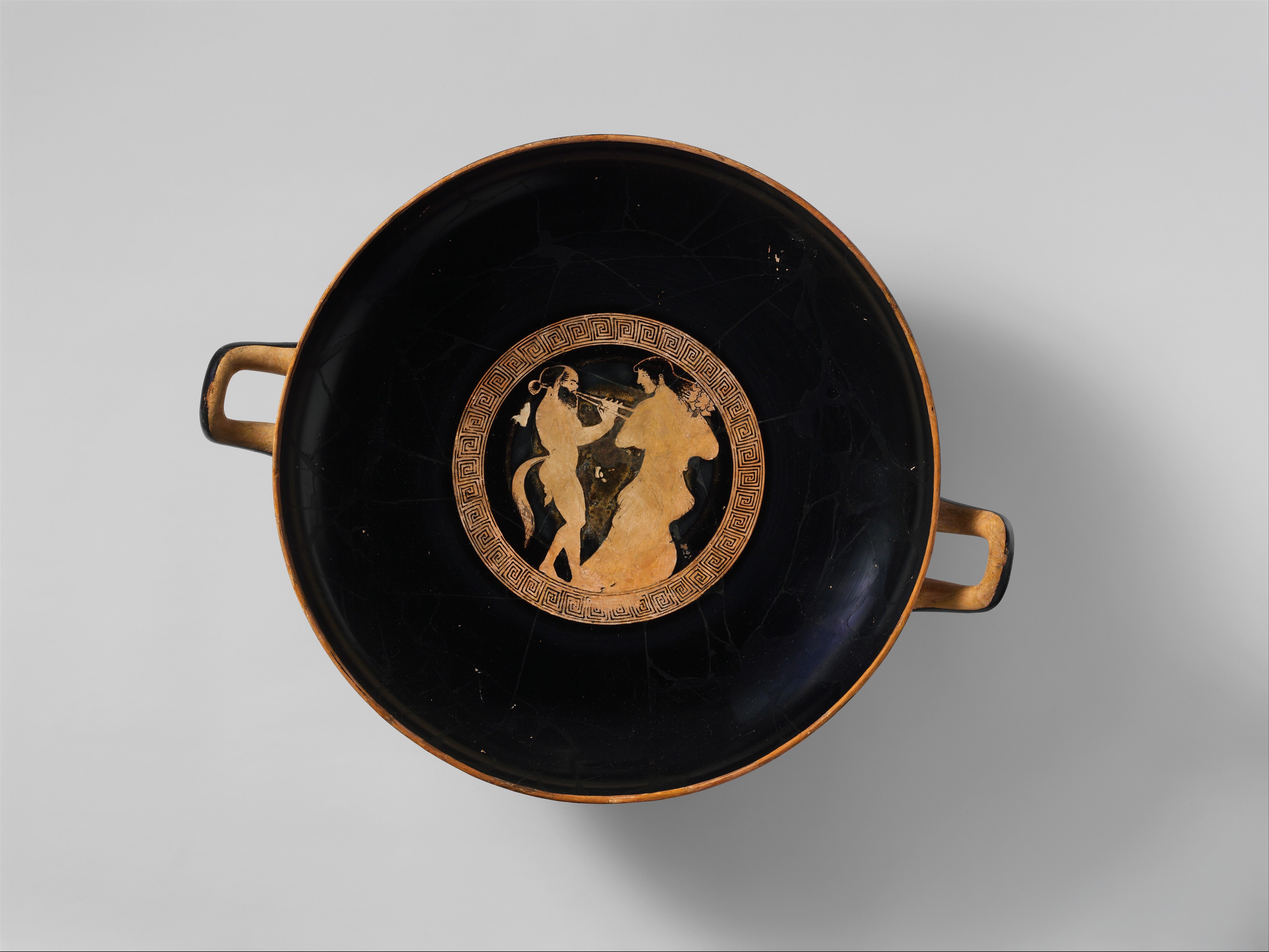
Hieron — "Terracotta kylix (drinking cup)" (ca. 480 BCE), public domain
The secret letter before dawn
On the eve of the Battle of Salamis, Athenian general Themistocles sent a slave to the Persian king Xerxes with a secret: the Greeks planned to slip away by morning. The city was desperate, families camped on rocky islets—one mistake and Athens would disappear.
Baiting the trap
Xerxes took the bait. At sunrise, hundreds of Persian ships crowded the narrow strait, eager to block the Greek escape. Instead, they found themselves jammed in chaos. Greek triremes rammed, rowers screamed, and the water boiled red.
A city saved by deception
Athens survived on the edge of a lie. Herodotus records Themistocles' bluff as the pivot of the war—the moment when the fate of Greece balanced on a single act of cunning.
Themistocles' 'betrayal' was a ruse that lured the Persian fleet into a trap—turning certain defeat into Athens' greatest naval victory.
