
The Sack of Corinth
Corinth glimmered with riches—until Rome's legions turned it to ash in a single day.
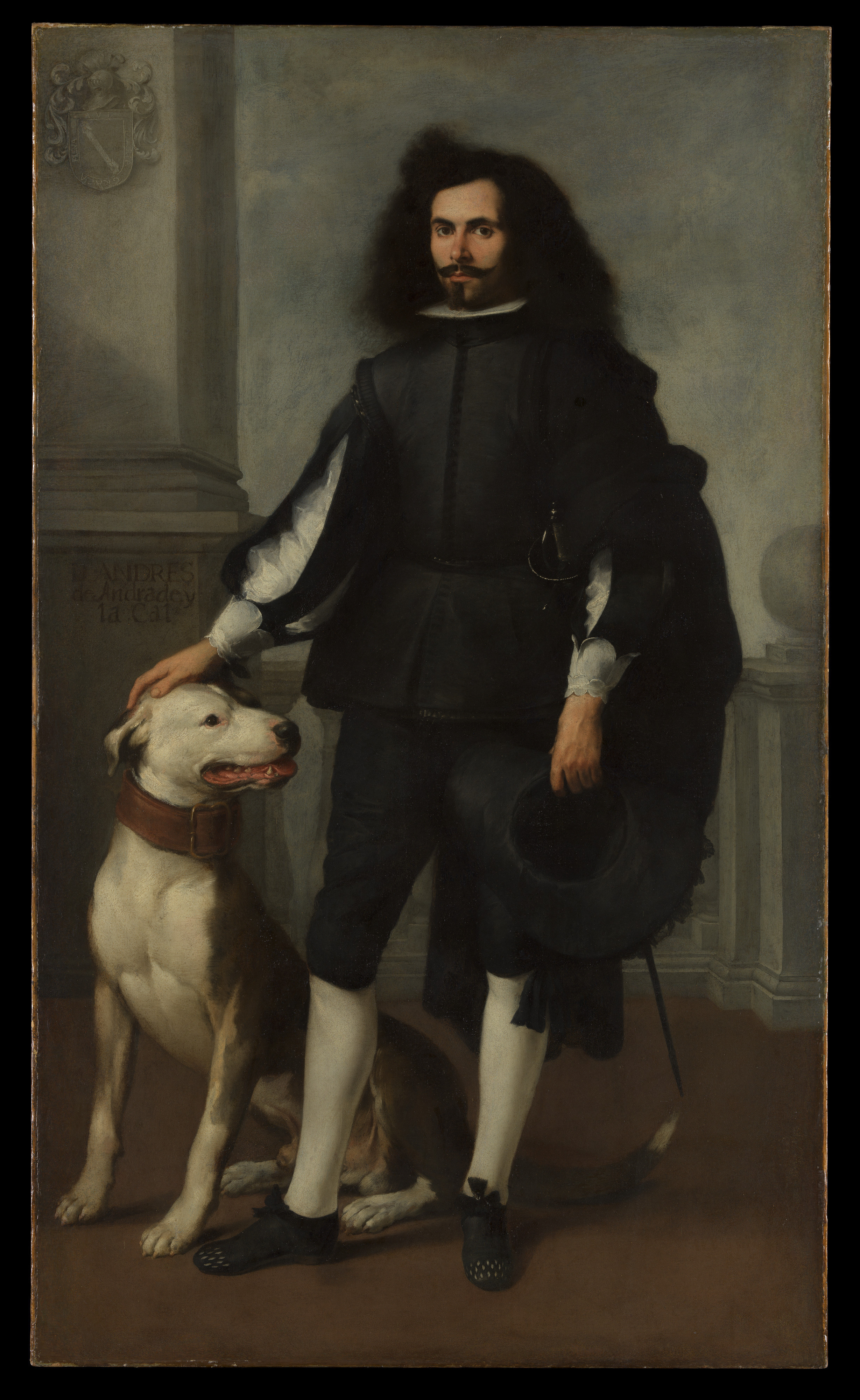
Bartolomé Estebán Murillo — "Don Andrés de Andrade y la Cal" (ca. 1665–72), public domain
An ancient city wiped out overnight.
In 146 BC, after a final, desperate Greek revolt against Roman rule, the legions stormed Corinth—one of the richest cities in the Greek world. What followed was a systematic sack: temples looted, men slaughtered, women and children sold into slavery.
A warning carved in fire.
The Roman commander Mummius ordered the city burned to the ground. Treasure-laden ships sailed for Rome, their cargo dazzling the crowds on the streets. For the next hundred years, the old heart of Corinth stood deserted: a silent threat to any city that might dare defy Rome.
The destruction of Corinth in 146 BC was Rome’s brutal message to all of Greece: resistance would be met with absolute ruin. The city was left an empty shell for a century—its art and gold paraded through Rome as spoils.
