
The Death of Tiberius Gracchus
A riot broke out in the Roman Senate—senators smashed benches into clubs and bludgeoned a tribune to death.
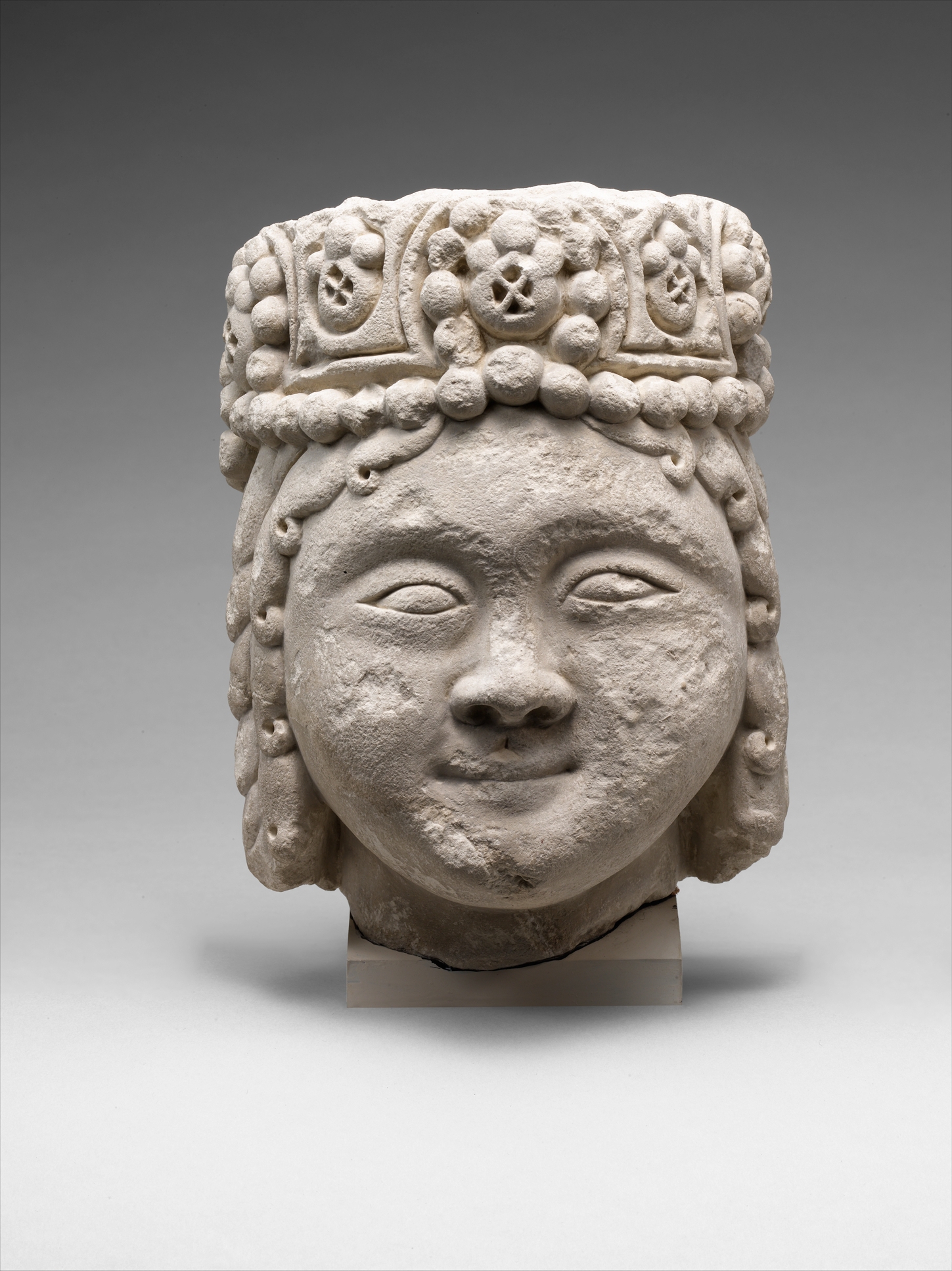
Unknown — "Head from a Figure with a Beaded Headdress" (12th–early 13th century), public domain
A clash erupts in Rome's heart.
In 133 BC, the tribune Tiberius Gracchus tried to pass a law redistributing land to Rome’s poor. Fearing he aimed for kingship, senators and their supporters stormed the Capitoline. Armed with clubs ripped from benches, they beat Gracchus and over 300 of his followers to death.
A taboo gets shattered.
No Roman tribune had ever been killed for his politics—until now. With one act of mob violence in the Senate, generations of political restraint snapped. Rome would never return to its old equilibrium.
The age of blood begins.
After Gracchus’ murder, political violence became part of Roman public life. Each side armed itself—not just with arguments, but with gangs and blades. The Republic’s slow death had begun in a hail of wooden clubs.
The murder of Tiberius Gracchus shattered centuries of political custom, unleashing a cycle of violence that helped doom the Roman Republic.
