
Nero and the Burning of Rome
When flames gutted Rome, people whispered that Nero played music as the city died—but the reality is stranger and darker than the myth.
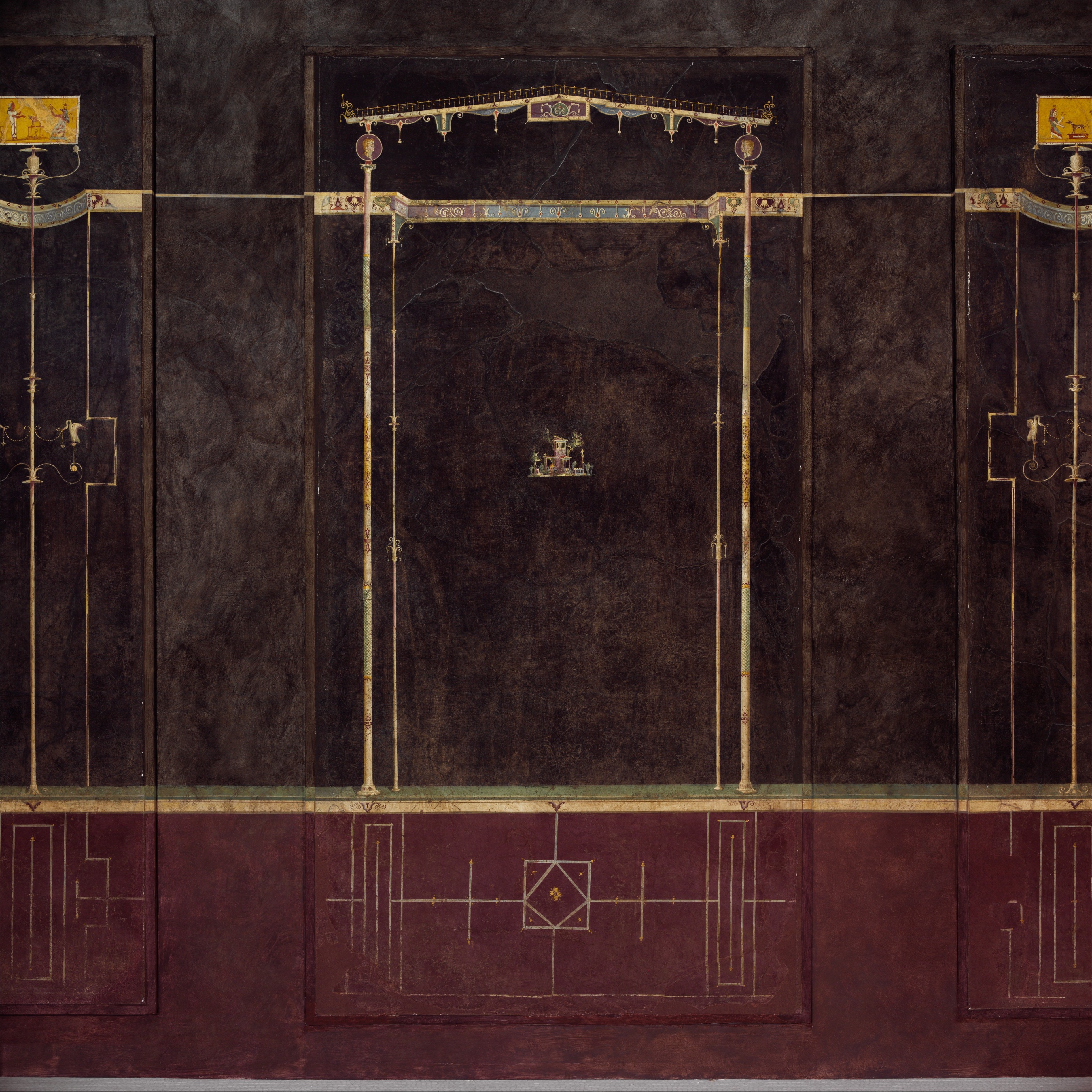
Unknown — "Wall painting on black ground: Aedicula with small landscape, from the imperial villa at Boscotrecase" (last decade of the 1st century BCE), public domain
Rome in flames, rumors in the wind.
In July 64 AD, fire tore through Rome’s crowded wooden neighborhoods. Nero was miles away when it began, but as smoke choked the city, talk spread that the emperor watched—and even performed—while the city burned.
No fiddles, just fear.
Ancient sources like Tacitus say Nero returned to organize relief and open his own gardens to survivors. Yet, he couldn’t escape public suspicion. He may have sung an epic about Troy, but the image of an emperor serenading disaster stuck—and helped make Nero a villain for the ages.
A reputation burnt forever.
Whether or not he sang, the damage was done. The fire left Rome scarred, and Nero's name would always be bound to destruction—proof that in Rome, sometimes rumor was deadlier than flames.
Nero may have sung of Troy’s destruction, not played the fiddle (which didn’t exist yet), and the real story is about a ruler desperate to control a catastrophe—and the rumors that would soon destroy him.
