
The Olympic Cheat and His Bronze Shame
A champion sprinter tried to bribe his rivals at the Olympic Games—and wound up immortalized for cheating.
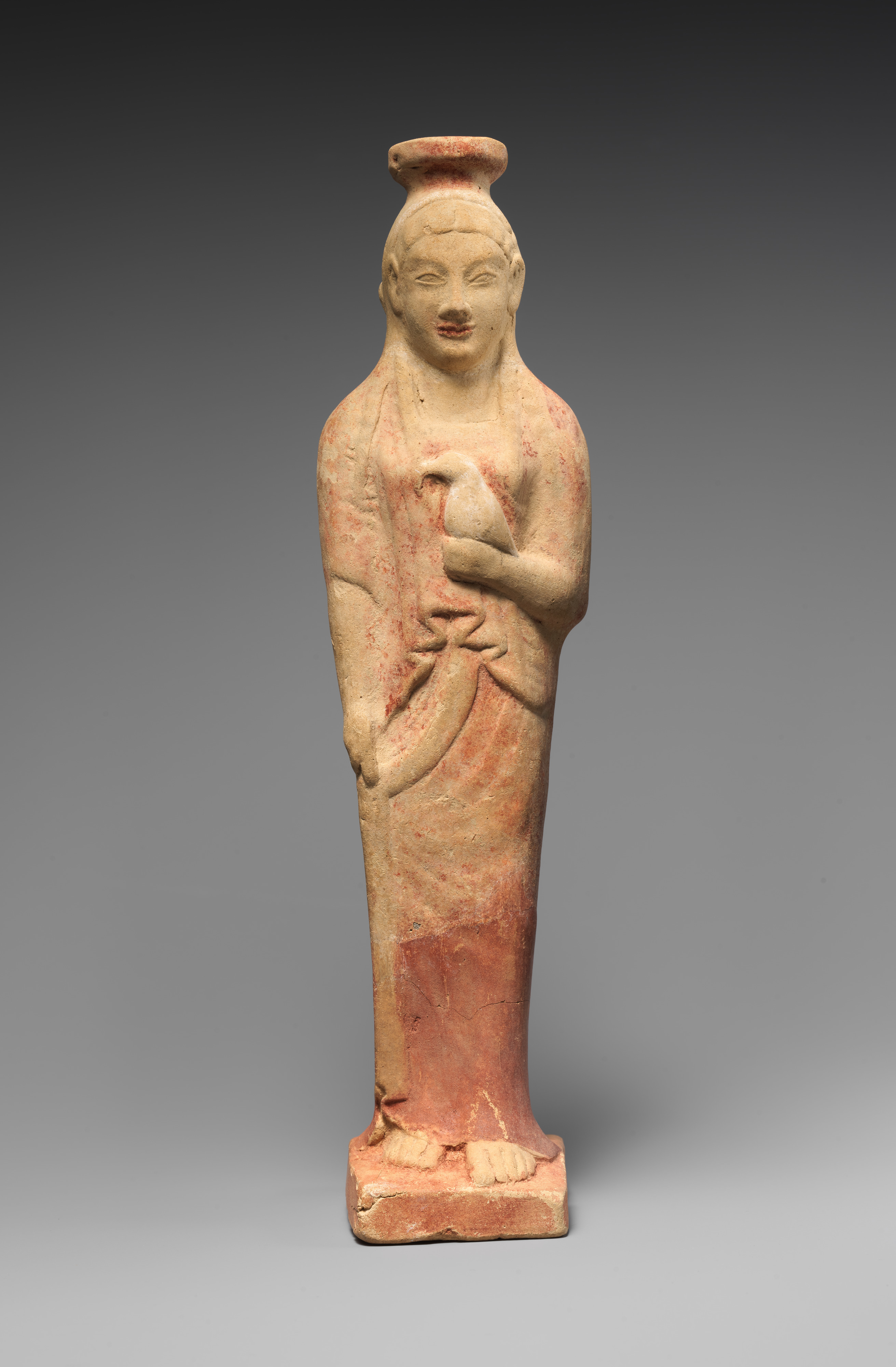
Unknown — "Terracotta alabastron (perfume vase) in the form of a woman holding a dove" (mid-6th century BCE), public domain
Caught with a bribe at Olympia
Sotades of Crete was a famous runner, sprinting for gold at the ancient Olympic Games. But in 388 BC, he was caught trying to pay off his opponents—hoping to fix the race before it began. No negotiation, no second chances. The judges threw him out on the spot.
His punishment? Bronze, not glory.
Instead of being forgotten, Sotades was immortalized in the worst way. His name was stamped on a bronze statue—one of many set up at Olympia, inscribed with the crimes of cheaters for all to see. The statues faced the athletes’ tunnel. Every future runner had to walk past those shamed faces before setting foot on the track.
Olympic oaths—and Olympic shame.
The ancient Greeks swore sacred oaths to play fair. Sotades’ story shows how seriously cheating was taken—even at a festival meant for the gods. His statue outlasted any laurel wreath, a warning that still echoes across millennia.
Instead of a laurel crown, Sotades earned a statue of shame, set up at Olympia to warn future athletes: glory isn’t for sale.
