
Xenophon’s Night Escape
Smoke, screams, and confusion—Xenophon led ten thousand Greek mercenaries out of a burning Persian camp at midnight.
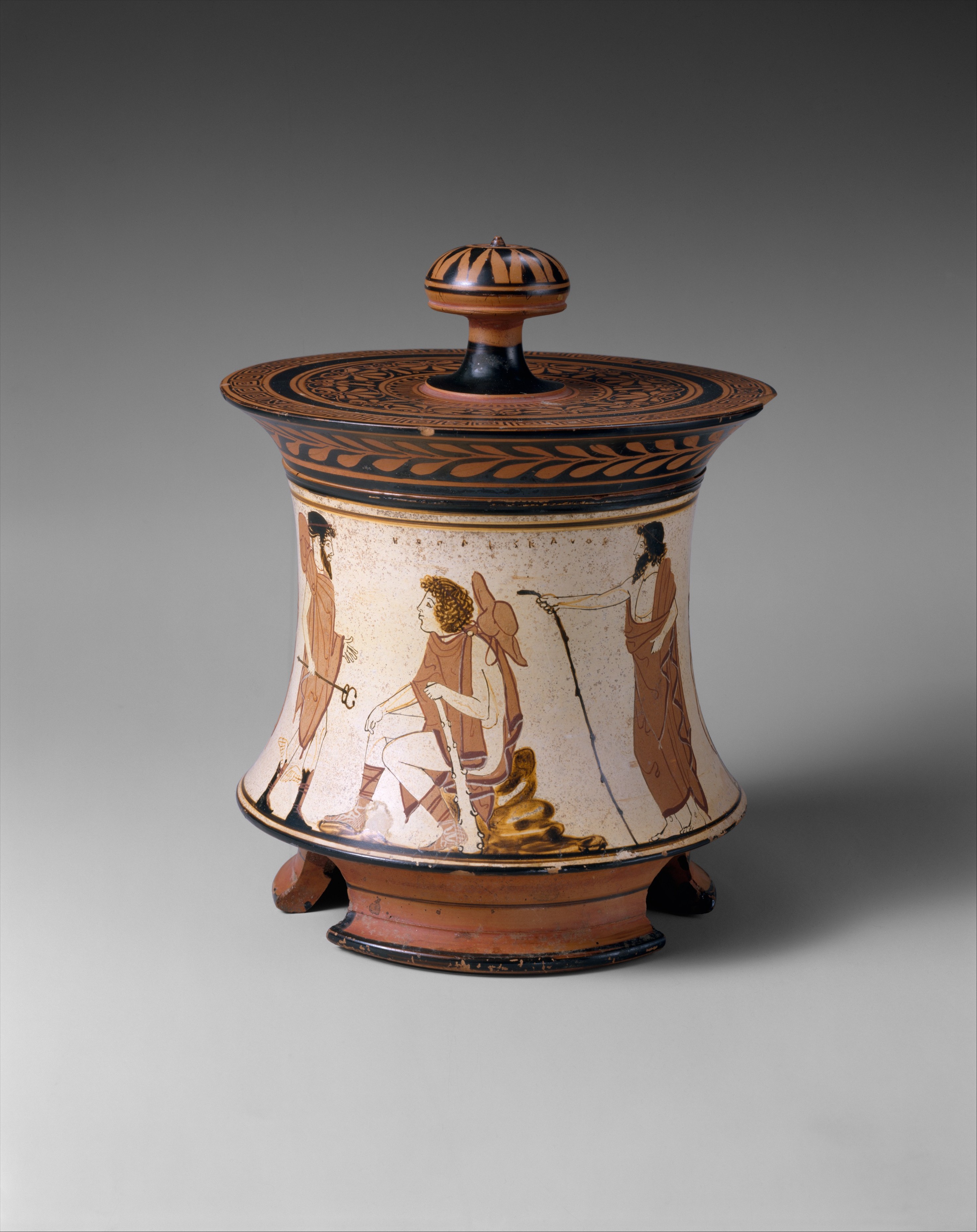
Penthesilea Painter — "Terracotta pyxis (box)" (ca. 465–460 BCE), public domain
Chaos in the Persian darkness.
In 401 BC, ten thousand Greek mercenaries found themselves stranded deep inside enemy territory after their Persian employer was killed in battle. One night, flames rose suddenly—the Persians set their own camp ablaze, hoping to confuse and scatter the Greeks.
Xenophon refuses to break.
In the panic, Xenophon—a young Athenian—grabbed a shield and rallied the men. Rather than surrendering, they slashed through the chaos, torches flickering on sweat-soaked armor, and hacked a path out of the burning camp. Their escape became legend: the 'March of the Ten Thousand.'
A homecoming paid for in blood.
For months, they fought and negotiated their way back to Greece—harassed at every river and pass. Xenophon’s journal survives. His words ring with relief at the sight of the sea, and with loss for the friends left behind in the mud.
Instead of surrendering, Xenophon rallied stranded Greek soldiers and staged one of the most daring retreats in history—fighting their way home through a continent’s worth of enemies.
