
The Murder of Hipparchos: Athens’ Lightning Strike
Garlands conceal daggers as two lovers slip through the festival crowd—waiting for a tyrant's brother to appear.
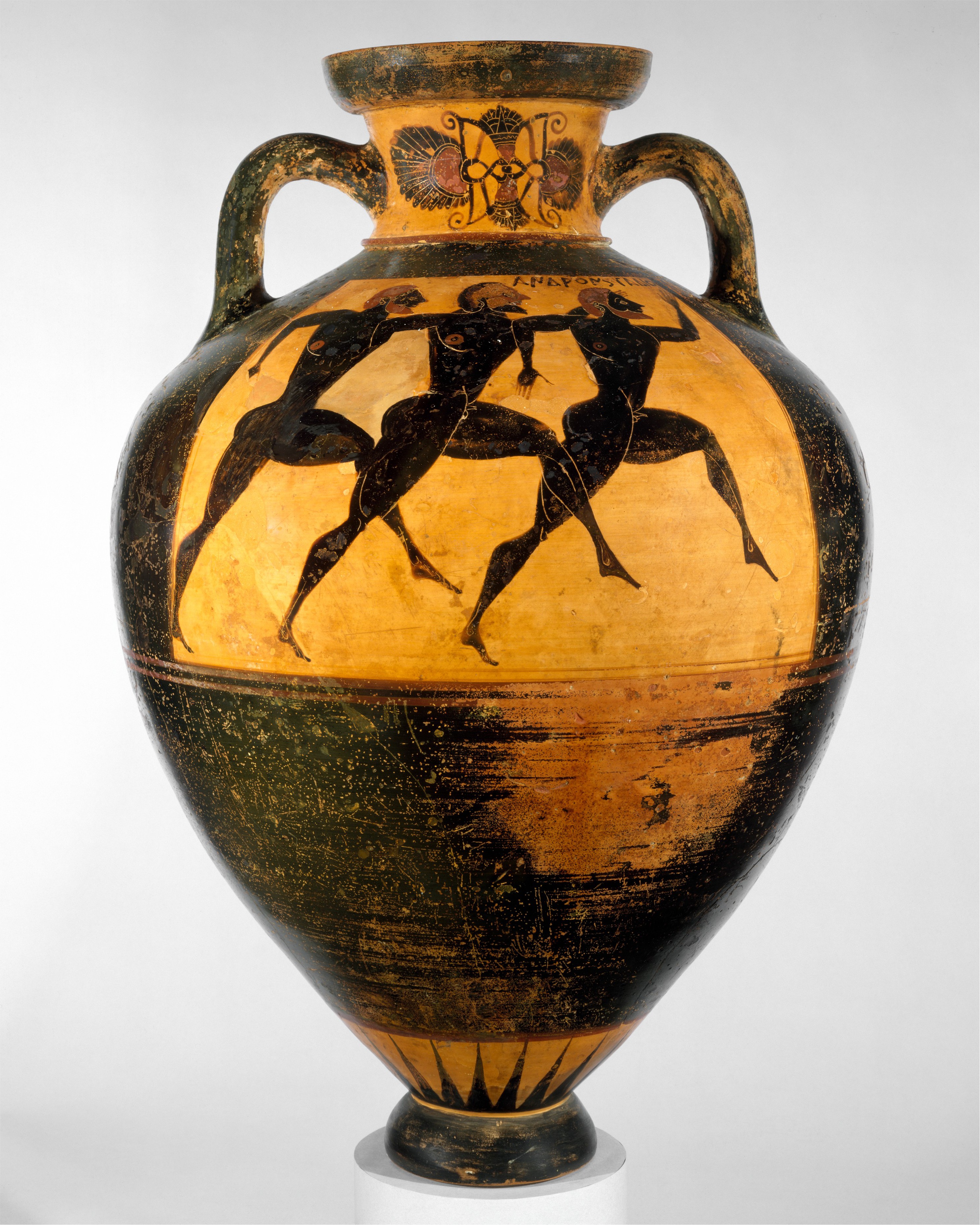
Nikias — "Terracotta Panathenaic prize amphora (jar)" (ca. 560–550 BCE), public domain
Dagger in the Garland.
At the Panathenaic festival, Harmodius and Aristogeiton weave through the crowd, garlands hiding sharpened blades. They aren’t just lovers—they’re plotting to strike at the heart of tyranny. Hipparchos, brother of Athens’ ruler, steps into the sunlight.
A flash of violence, a city in shock.
With the festival raging around them, they lunge—Hipparchos falls instantly, blood in the dust. Chaos erupts. Guards catch Harmodius on the spot. Aristogeiton is hunted, tortured, and killed. Word spreads: the tyrants are mortal after all.
The price of liberty.
Athens will remember them as 'the tyrant-slayers.' Their desperate act shakes the regime, inspiring revolt. Two years later, tyranny falls. Harmodius and Aristogeiton become statues in the square—heroes, but never survivors.
The killing of Hipparchos triggered chaos in Athens and set off the chain that toppled tyranny, but the 'tyrannicides' paid with their lives before they saw the city's freedom.
