
The Murder of Hipparchus: Athens' Turning Point
At a festival, two lovers stabbed the tyrant’s brother in broad daylight—while the city watched in shock.
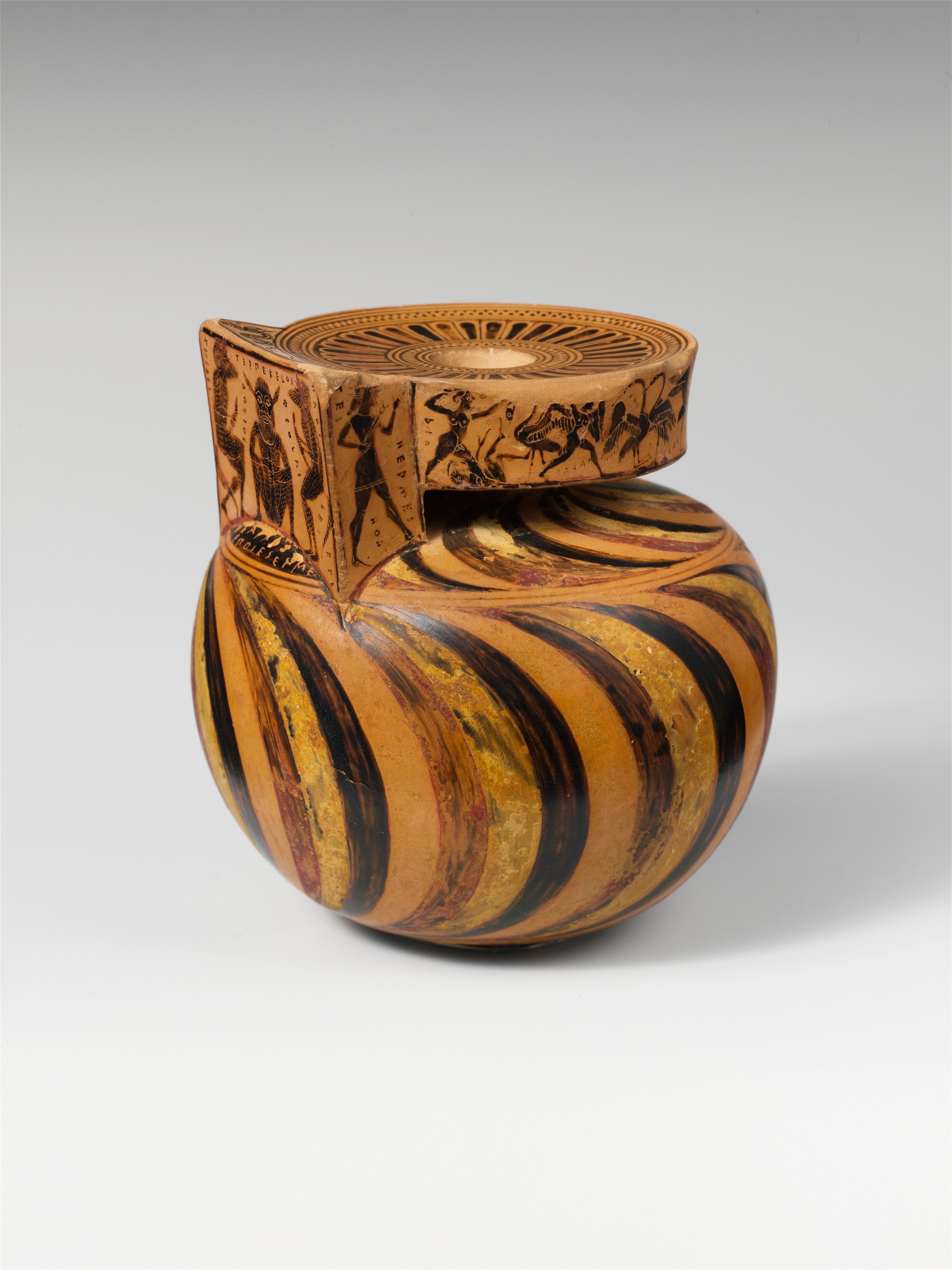
Nearchos — "Terracotta aryballos (oil flask)" (ca. 570 BCE), public domain
Blood on the Festival Road.
514 BC, the city of Athens. Hipparchus, brother of the tyrant Hippias, strolls through the Panathenaic festival. Harmodius and Aristogeiton, lovers armed with hidden daggers, leap from the crowd and cut him down. The city erupts in confusion.
The Ripple That Toppled Tyranny.
Panic and crackdowns follow. Harmodius is killed on the spot, Aristogeiton tortured to death. But the damage is done: Hippias grows paranoid, his regime crueler, until Athenians finally overthrow him. The murder becomes the mythic spark for freedom—though in reality, democracy’s birth was messier than any hero’s tale.
Love, Revenge, and Legend.
Centuries later, Athenians celebrate the lovers as icons of liberty. Statues rise where blood was spilled. But the motives—personal, political, romantic—remind us that revolutions are rarely pure.
The murder of Hipparchus sparked waves of purges and, legend says, the end of tyranny in Athens. But the line between justice and revenge in ancient politics was razor-thin.
