
Hipparchia Chooses the Cynic Life
At her own wedding, Hipparchia declared she’d rather live on the street than in a silk-curtained home.
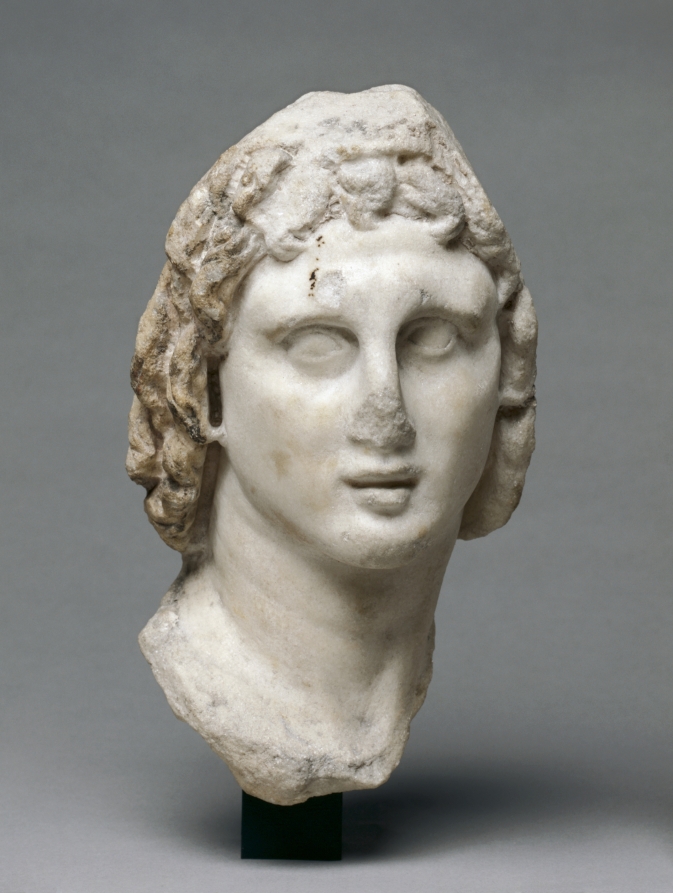
Unknown — "Head of Alexander the Great" (c. 300–200 BCE), CC0
Marriage as a Declaration of War.
The feast was set. Guests turned to see Hipparchia—wealthy, educated—walk away from her family’s plans. She’d chosen Crates, the ragged Cynic philosopher. Instead of a dowry, he gave her his wallet and his cloak. She took them both.
On the Streets, Not in the Parlor.
Hipparchia lived openly as a philosopher, shocking Athens. She debated in the marketplace, dressed like a man, ignored insults, and refused to hide her marriage—even their intimacy—in private. Ancient sources say she publicly challenged gender rules with a pointed wit.
From Outcast to Icon.
Hipparchia’s choices scandalized some and inspired others. She showed that a woman could choose freedom over comfort, and philosophy over silk sheets. They called her shameless, but centuries later her name still stands for radical courage.
Hipparchia became one of Athens’ most notorious philosophers—never yielding to convention, and never apologizing for loving both her husband and the grime of a Cynic’s life.
