
Roman Slavery: Not Just Chains and Fields
You picture Roman slaves as ragged men in chains, toiling in fields or rowing in galleys. Hollywood’s brutal assembly line. But slavery in Rome was stranger—and sometimes far more privileged.
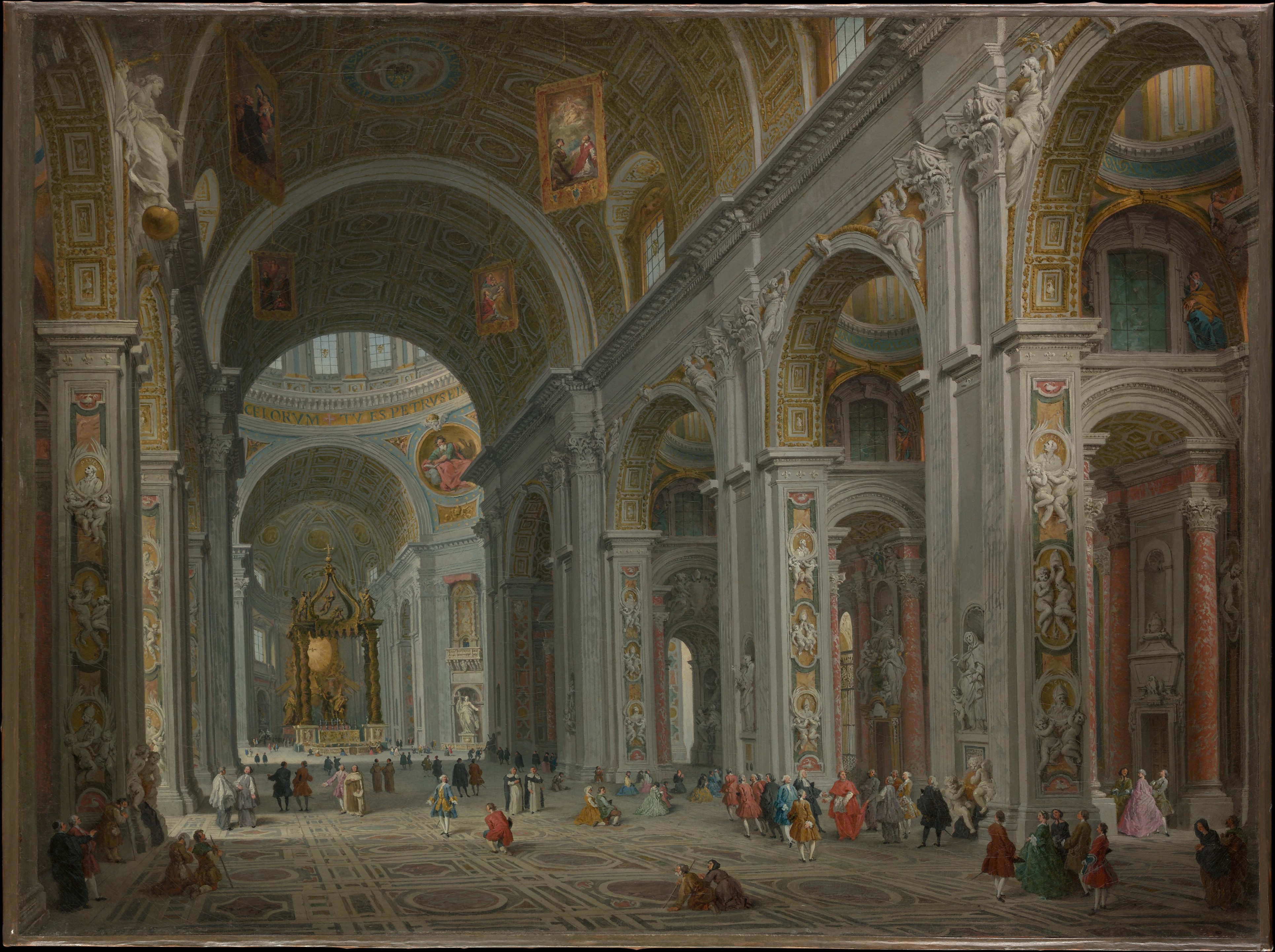
Panini — "Interior of Saint Peter's, Rome" (after 1754), public domain
All Roman slaves in chains?
You picture slaves shuffling through wheat fields, chained at the ankle, or sweating in filthy mines. The textbook version puts every enslaved person at the bottom—bodies, not brains. That grim stereotype lingers in every movie.
The real chains were social.
Some Roman slaves ran merchant empires, taught elite children, or worked as doctors and accountants. The emperor’s secretary was often enslaved. Freedmen could become wealthy—Trimalchio, in Petronius’s novel, throws banquets that make senators jealous. One imperial slave, Narcissus, managed the entire Roman bureaucracy.
Why does the myth persist?
Modern stories focus on hardship—and there was plenty—but ignore the strange social mobility possible in some Roman households. Enslaved status was real, brutal, and ever-present, but the jobs could range from the mines to the mansion’s office.
Some Roman slaves managed vast estates, taught philosophy, or handled fortunes as bankers and scribes. A few became rich—one even owned hundreds of other slaves. Rome’s social machine was complex, not just cruel.
