
Rome’s Siege Engine Fails at Jerusalem
A Roman siege tower burst into flames—igniting panic as legionaries scrambled down burning ladders.
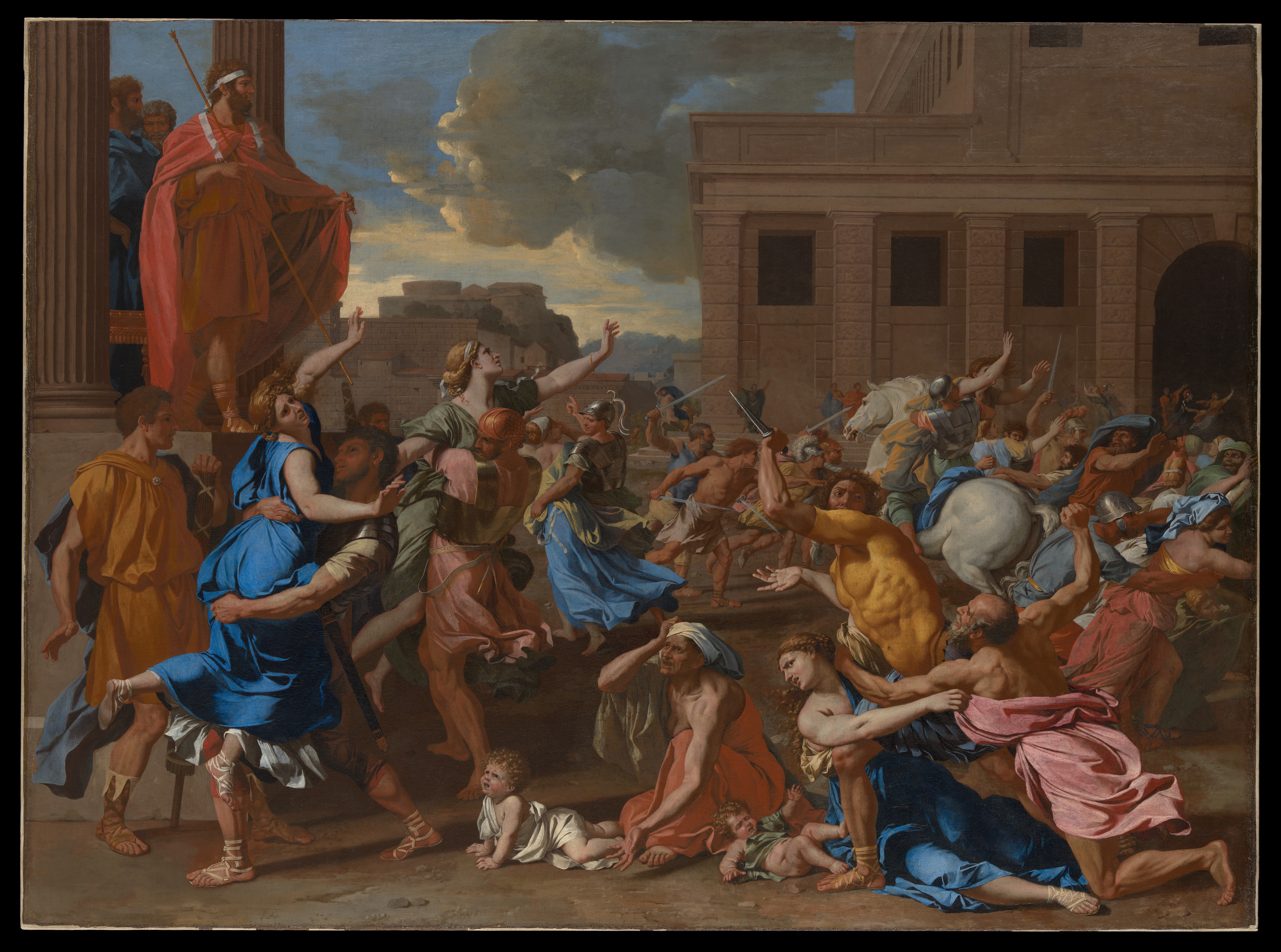
Nicolas Poussin — "The Abduction of the Sabine Women" (probably 1633–34), public domain
Inferno on the Walls of Jerusalem
Siege towers loomed over Jerusalem in 70 CE, their timber frames bristling with Roman soldiers. Suddenly, a spray of burning pitch from the defenders set one alight. Legionaries rushed to escape, only to find the ladders ablaze behind them.
Panic, Collapse, and a Roman Setback
Pressed by heat and smoke, some jumped to their deaths, their armor dragging them down. The tower crashed—a rare humiliation for Rome’s engineers. Flavius Josephus, an eyewitness, records how defenders cheered as the siege tower cracked apart.
Even Rome Could Slip
Jerusalem did not fall that day. For a brief moment, desperate rebels and a lucky fire held off the world’s greatest army. Empire was not invincible—it could burn, and break, one splinter at a time.
Even Rome’s mighty war machine could falter—sometimes all it took was a single spark and desperate defenders.
