
On This Day: Rome Prepares for the Equinox
September 22 draws Romans to the edge of night and day—when shadows finally balance, and the old city holds its breath.
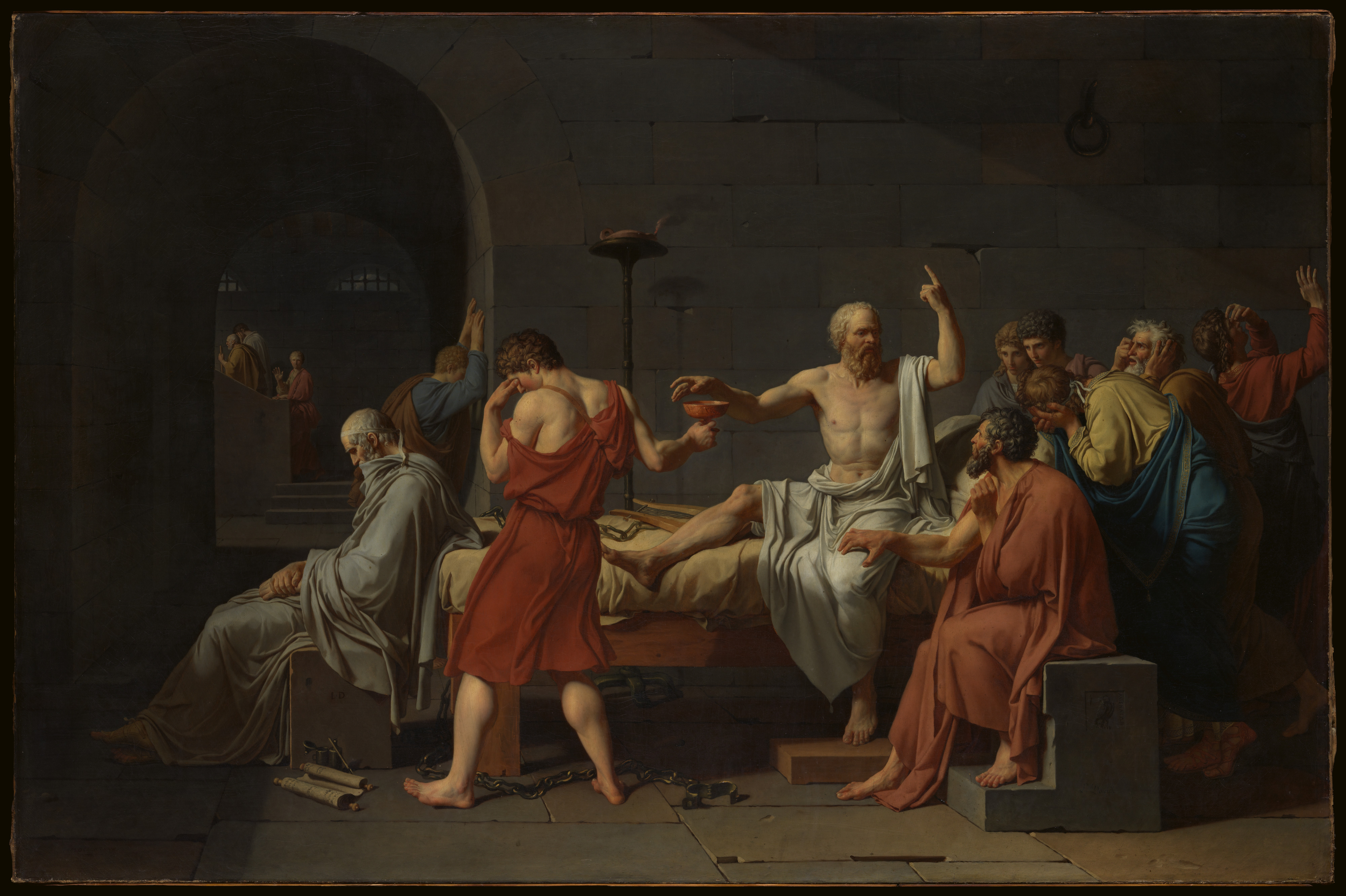
Jacques Louis David — "The Death of Socrates" (1787), public domain
A day when day and night hold equal sway.
Around September 22, ancient Romans watched the sun’s path flatten and the days shrink. The autumn equinox was no abstraction—for farmers, it meant the last figs, for city dwellers, a reminder that darkness would soon come early.
Balance, then the slide into shadow.
Roman writers noticed this hinge in the year. Priests recalibrated temple rituals; market stalls flickered with the season’s last wild plums and grapes. The equinox was a signal: the fast-paced public life of summer gave way to inward rituals and planning for winter.
Nature, law, and the city—all in sync for a moment.
After today, every hour is a step toward the year’s shadowed half. For a blink, the world is even—then the tilt returns, and Rome’s lamps burn longer each night.
The autumn equinox marked a turning point in Rome’s year, felt in law courts, farm fields, and the city’s rituals. Balance is brief; soon, darkness begins to win.
